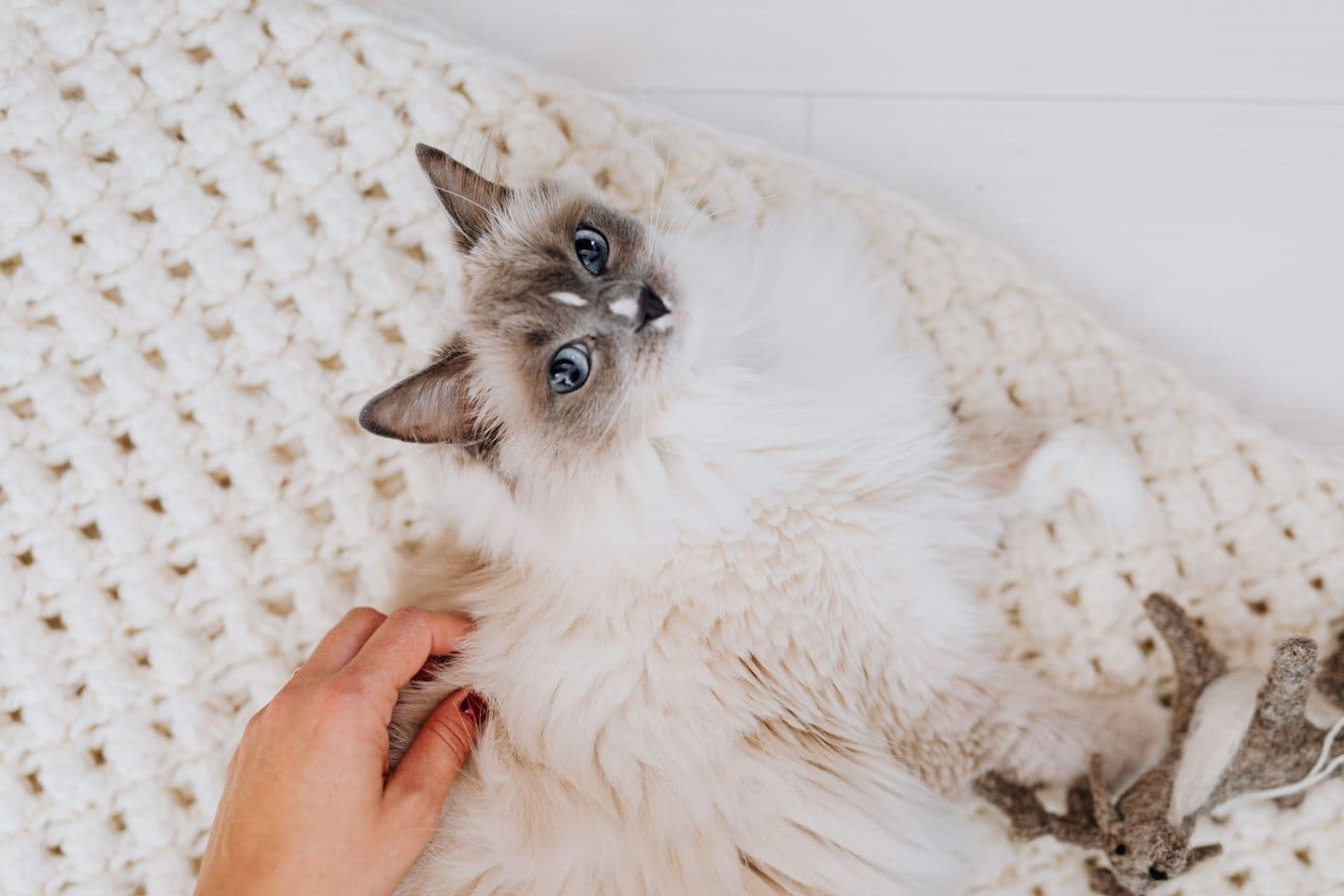
Ragdoll Cats: Temperament, Colours, and Cost, Covered
Considering a Ragdoll for your household? It's an easy breed to fall for. First bred in the 1960s by American breeder Ann Baker, Ragdolls have built their reputation on a docile, placid temperament an
Adapted from a Pet Sitters Ireland feature on the Ragdoll cat breed.
Considering a Ragdoll for your household? It's an easy breed to fall for. First bred in the 1960s by American breeder Ann Baker, Ragdolls have built their reputation on a docile, placid temperament and an unusually affectionate nature. Here's what shows up most often when people search for Ragdoll-specific answers.
Temperament
Ragdolls are famously friendly — friendly enough to have earned the nickname 'puppy cats' for how closely they follow their owners around the house (though at least they're less likely to trail you into the shower than a Bengal would). Opinions vary on just how cuddly they are: some owners describe them as not particularly lap-oriented, while others insist their Ragdoll loves nothing more than being held. As with most things cat-related, it likely comes down to the individual.
Getting along with other pets
Their generally friendly disposition extends to other animals — Ragdolls tend to mix well with other cats and cat-friendly dogs.
Lifespan
Indoor Ragdolls typically live 15–20 years. As with any breed, outdoor cats face additional risks from traffic, disease, and other animals, which can shorten that range.
Health
Ragdolls are generally healthy, though like other pedigree cats they carry some risk of hypertrophic cardiomyopathy (the most common feline heart disease) and bladder stones. If you're buying a kitten from a breeder, it's worth checking the breeder's reliability and asking about the health of the kitten's parents, since some conditions are hereditary — reputable pedigree breeders will typically screen for known illnesses.
Shedding
As a longhaired breed, Ragdolls shed a fair amount, much like other long-coated cats. Regular grooming — brushing and the occasional trim — keeps it under control.
Coat colours
The six most common Ragdoll colours are seal, blue, chocolate, lilac, red, and cream.
Eye colour
Ragdolls are best known for their striking blue eyes, though this isn't universal across the breed — blue-green and gold also appear. All Ragdoll kittens are born with blue eyes, and some change colour as they mature.
Cost
In Ireland, pedigree Ragdoll kittens tend to start around €500 and up. As always, it's worth checking local rescue centres and pounds first, since there are plenty of cats there in need of homes too.
Size
Ragdolls rank among the largest domestic cat breeds. A fully grown female typically weighs 10–15 lbs, and a fully grown male 12–20 lbs. They take a full four years to reach adult size. Kittens are born pure white, with their signature colour markings developing gradually — full colour usually isn't in place until around two years old.
Fun facts
Ragdolls tend to go completely limp when picked up — hence the name.
They're drawn to the sound of running water.
One persistent myth claims Ragdolls are alien hybrids.
They're a relatively new breed, developed only in the 1960s.
They rank among the largest cat breeds.
They're considered a fairly quiet breed — which has a downside, since a Ragdoll in pain or distress may not meow to signal it.
Almost every calico cat you meet, with that distinctive patchwork of orange, black and white, will be female. This is not folklore, it comes down to genetics, and it is one of the more elegant example
A swollen eye looks alarming, and it should get your attention quickly. The eyelid, the eyeball itself, or the tissue around the eye can all swell for very different reasons, so working out which one
Most cats never need their claws trimmed at all, and clipping can even work against them, since cats rely on their claws for both defence and climbing. As cats age and become less mobile, though, claw