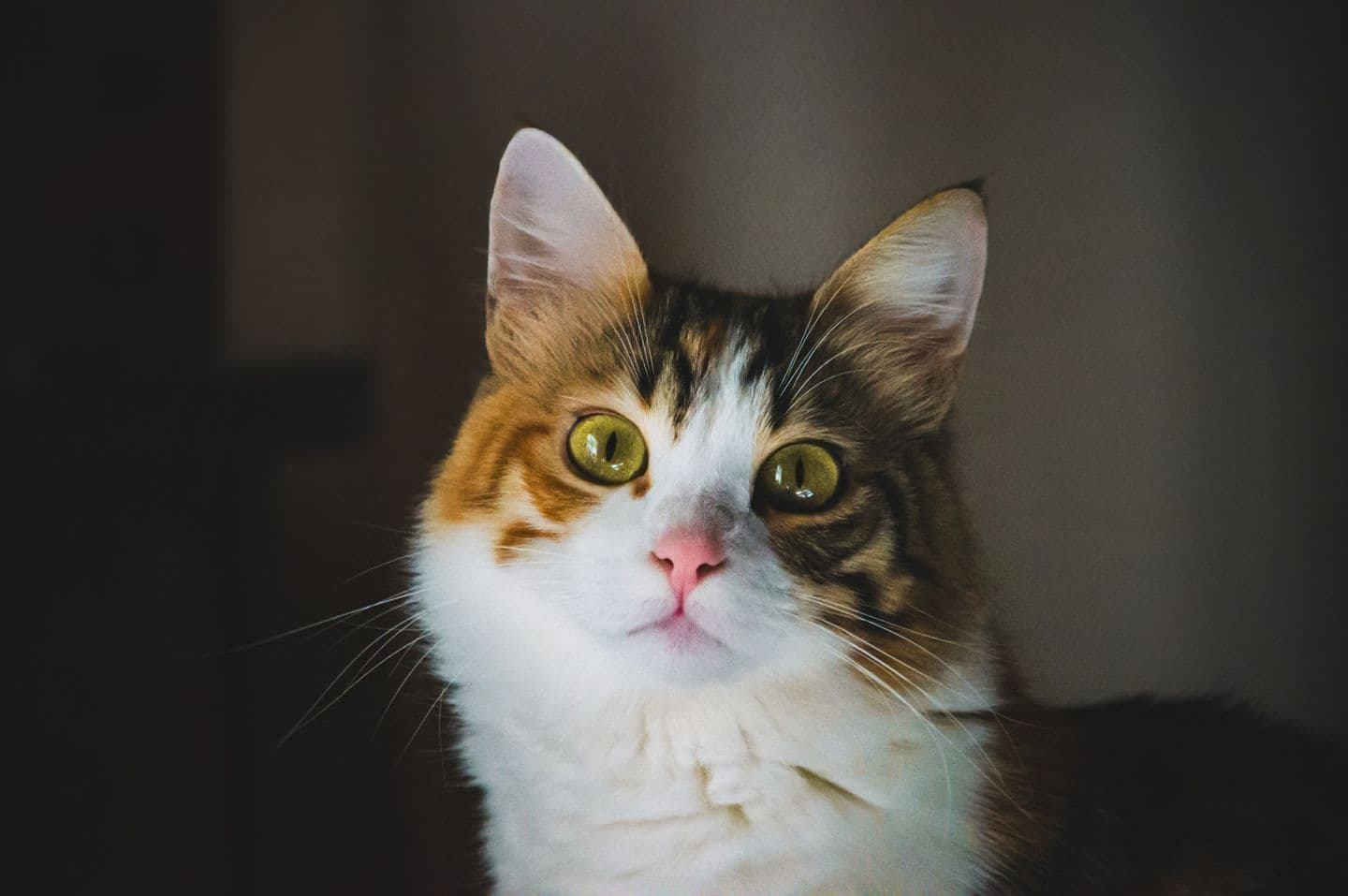
Stress plays a significant role in many common cat behaviour problems, and in a number of physical diseases too.
Cats don’t display emotion as openly as some other animals, tending to withdraw and go quiet rather than act out visibly. That makes it especially important for owners to learn to recognise the subtler signs of stress in their own cats.
Is stress always harmful?
Several physiological systems regulate stress in cats, chiefly the HPA axis (hypothalamus-pituitary-adrenal) and the sympathetic nervous system, both evolved to handle the short-term “acute” stress that’s a normal part of a cat’s natural lifestyle, the fight-or-flight response. These systems are far less well suited to chronic, long-term stress, and it’s this ongoing form that contributes significantly to behavioural problems and stress-related illness.
Why some cats struggle more than others
How well a cat copes with stress depends on both genetics and environment. The physiological systems involved actually begin developing before birth, so a mother cat under stress or poor nutrition during pregnancy can pass on a greater vulnerability to stress, and to less adaptive coping strategies, in her kittens. A lack of early socialisation, missing out on the sights, sounds and smells of a typical home environment as a young kitten, can make life considerably more challenging later on.
Recognising stress
Acute stress, triggered by something sudden or threatening, is relatively easy to spot. Signs can include immobility, a crouched posture on all fours, shaking, an unexposed belly with rapid breathing, bent legs, a tail held close to the body, a lowered, motionless head, wide-open eyes with fully dilated pupils, ears flattened right back, whiskers pulled back, plaintive miaowing, yowling, growling or complete silence, hissing, drooling, involuntary urination or defecation, and aggression if approached.
Chronic stress is harder to spot, developing gradually and showing up more in changed patterns of behaviour and routine, such as reduced feeding, grooming or toileting, or the opposite, overeating; increased resting or “feigned” sleep; hiding; either heightened dependency or social withdrawal, depending on temperament; defensive aggression toward people or other cats; excessive vigilance and an exaggerated startle response; reduced play; broader behavioural shifts, spending far more time indoors regardless of season, for instance; inappropriate urination or defecation; indoor spraying; over-grooming or pica (wool-eating); increased facial rubbing or surface scratching; repetitive, out-of-context “displacement” behaviours; redirected aggression toward an unrelated target; and ambivalent behaviour, approaching and withdrawing almost simultaneously.
What causes stress in cats
Stress can stem from interactions with people, the environment, or, very often, other cats. Sharing resources with cats it doesn’t get along with, or living in an area with a dense local cat population, can be a constant source of pressure for a cat.
Owners can sometimes unintentionally add to a cat’s stress too, through overly intrusive physical contact that exceeds what the cat actually wants, or through inconsistent behaviour that leaves a cat unsure what to expect. Environmental factors are also easy to overlook, since owners tend to assume safety and affection are the main things that matter, but confinement, boredom, or restricted access to hiding spots and litter trays can all be genuinely stressful too.
Easing or preventing stress
Meeting a cat’s needs, both as a species and as an individual, gives the best chance of reducing chronic stress. It’s worth remembering that what stresses a cat may not register as a concern to you at all.
Because cats are responsible for their own survival, they’re constantly assessing new situations for potential threat. Familiar routines and predictability offer real reassurance, since a cat knows from experience that the familiar has historically been safe. Consistency in your own behaviour, and stable daily routines, go a long way toward reducing stress.
The number of cats kept in a household is worth thinking through carefully, particularly where the local area already has a substantial resident cat population. Resources within the home, food and water bowls, litter trays, beds, hiding spots, high perches, scratching posts and toys, should always be sufficient for every cat present. The standard formula is one of each resource per cat plus one extra, spread across different locations.
Getting the relationship right also means being attuned to each cat’s individual emotional needs. A confident, social cat will typically want more interaction than a timid one, or one that missed out on proper socialisation as a kitten. Letting your cat initiate contact is usually the most reliable way to find the right balance of affection.
For cats with outdoor access, leaving the timing of outings up to the cat itself, where possible, respects the fact that outdoor territory may be “timeshared” with other cats at particular times of day, information your cat picks up through scent cues that you can’t. For cats kept entirely indoors, a genuinely dynamic, stimulating environment, with things to climb and explore, guards against boredom and frustration and supports both physical and emotional health.
No cat’s life can be entirely free of potential stress, but understanding the likely triggers, and keeping them to a minimum, meaningfully reduces the risk of chronic stress developing into something more serious.
Almost every calico cat you meet, with that distinctive patchwork of orange, black and white, will be female. This is not folklore, it comes down to genetics, and it is one of the more elegant example
A swollen eye looks alarming, and it should get your attention quickly. The eyelid, the eyeball itself, or the tissue around the eye can all swell for very different reasons, so working out which one
Most cats never need their claws trimmed at all, and clipping can even work against them, since cats rely on their claws for both defence and climbing. As cats age and become less mobile, though, claw