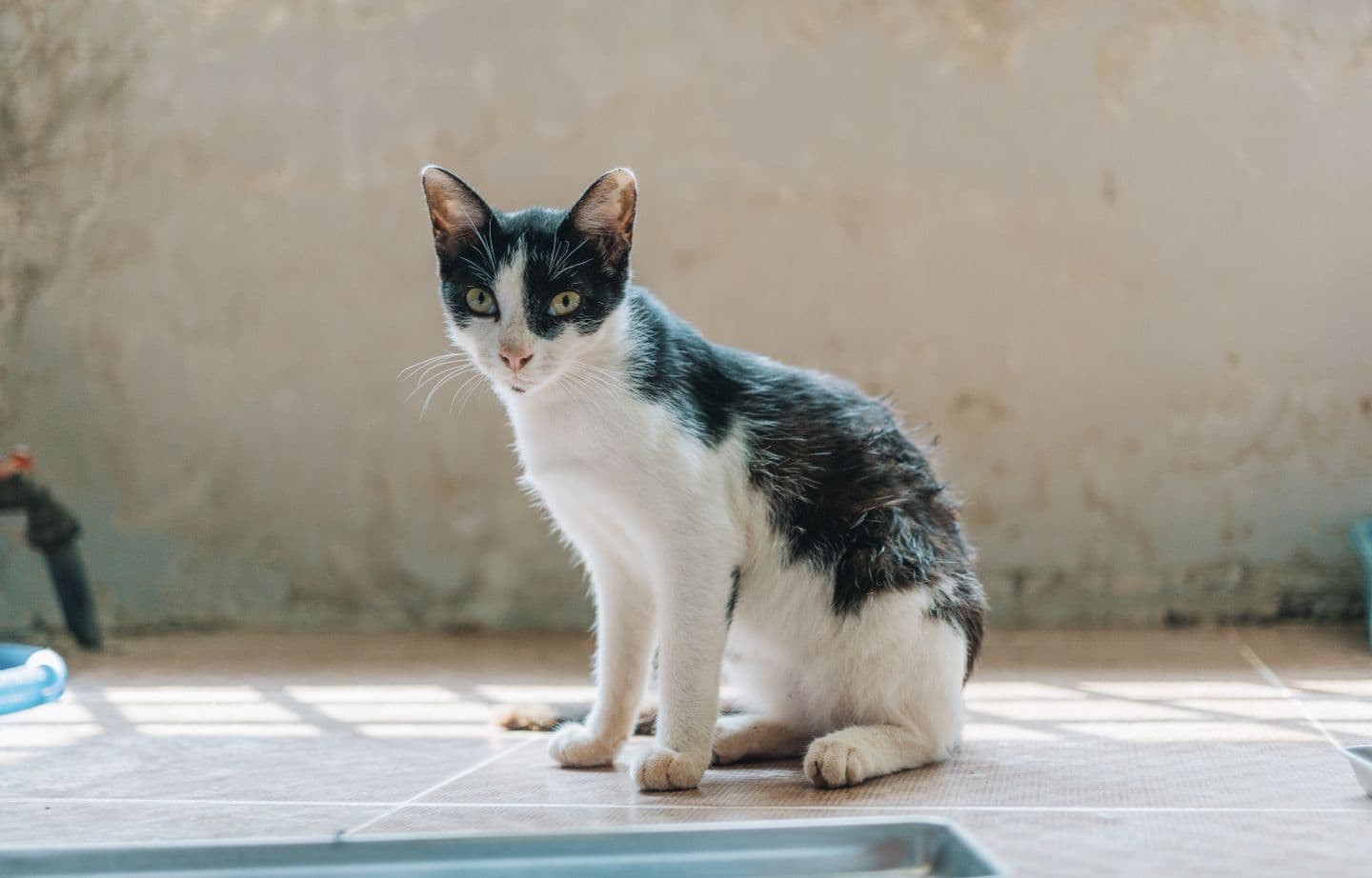
Summer Road Trips With Your Cat: Making Indian Highways Bearable For a Nervous Traveller
Most cats did not sign up for the family road trip. Given the choice, they would rather stay home, guard their favourite sunny windowsill, and let everyone else go to Coorg or Lonavala without them. B
Most cats did not sign up for the family road trip. Given the choice, they would rather stay home, guard their favourite sunny windowsill, and let everyone else go to Coorg or Lonavala without them. But relocations happen, vet visits happen, and sometimes you genuinely want your cat along. If a car journey is unavoidable, the goal is not to make your cat enjoy it. The goal is to get through it without anyone ending up stressed, dehydrated, or worse.
Heat is the real danger, not distance
Indian summers turn parked cars into ovens within minutes, and this is the single biggest risk for a travelling cat. Even with the windows cracked, the temperature inside a stationary car can climb dramatically in under ten minutes. Never leave a cat alone in a parked vehicle, not even to run into a dhaba for five minutes. If you must step out, take the carrier with you.
Run the air conditioning at a steady, moderate level rather than icy cold, and keep the carrier out of direct sunlight, away from the rear windscreen where heat concentrates. On long stretches through Rajasthan, central Maharashtra, or the plains in April and May, plan drives for early morning or after sunset when possible.
Before you leave
Book a vet check a week or two before travel, especially if your cat has never been in a car before.
Ask about a mild anti-anxiety or anti-nausea option if your cat is a known yowler or has motion sickness.
Use a hard-sided or sturdy soft carrier with good ventilation, secured with a seatbelt or footwell placement so it cannot slide during braking.
Line the carrier with an old towel or your cat's regular bedding so it smells familiar.
Carry a printed ID tag with your phone number, even for a chipped cat, since chip readers are not universal at every Indian clinic or shelter.
On the road
Offer water at every stop rather than waiting for your cat to ask, since travel stress and heat both increase fluid needs quietly. A collapsible bowl and a bottle of water from home (unfamiliar tap water can occasionally upset a sensitive stomach) go a long way. Keep the litter tray accessible during long halts, and resist the urge to let your cat out for a stretch at a highway dhaba. An open field next to a national highway is exactly the kind of place a spooked cat vanishes from.
If your cat is anxious throughout, this is completely normal, and it does not mean the trip was a mistake. A synthetic pheromone spray on the carrier bedding twenty minutes before departure can take the edge off. Most cats settle once the initial adrenaline passes and the engine hum becomes background noise. If the yowling continues non-stop for hours, that is worth flagging to your vet before the next journey, since it may be more than ordinary nerves.
Almost every calico cat you meet, with that distinctive patchwork of orange, black and white, will be female. This is not folklore, it comes down to genetics, and it is one of the more elegant example
A swollen eye looks alarming, and it should get your attention quickly. The eyelid, the eyeball itself, or the tissue around the eye can all swell for very different reasons, so working out which one
Most cats never need their claws trimmed at all, and clipping can even work against them, since cats rely on their claws for both defence and climbing. As cats age and become less mobile, though, claw