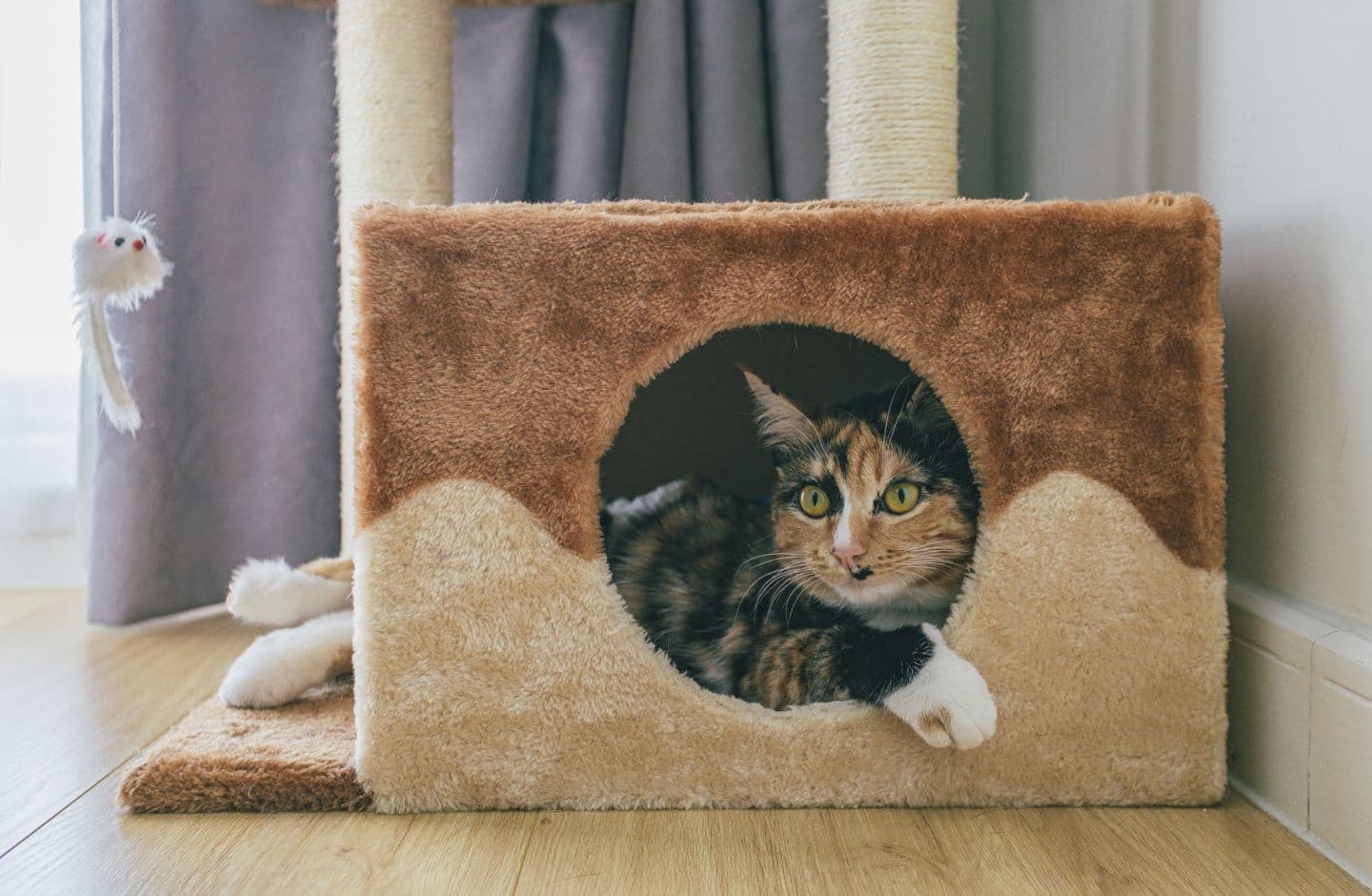
A bouquet of lilies and roses on the kitchen table seems harmless enough, until a curious kitten starts nibbling on the fallen petals. That was exactly the situation one cat owner found themselves in,
Rewritten from source material originally published at: rover.com/blog/poisonous-plants-for-cats/
A bouquet of lilies and roses on the kitchen table seems harmless enough, until a curious kitten starts nibbling on the fallen petals. That was exactly the situation one cat owner found themselves in, and what seemed like innocent play turned into an urgent trip to the vet once a quick search revealed just how dangerous lilies can be for cats.
Which plants are actually harmful to cats?
The scale of the problem is genuinely surprising: the ASPCA lists 417 plant varieties that are toxic to cats, against 569 that are considered safe. Toxicity itself covers a wide range, some plants cause nothing worse than a mild rash or short-lived vomiting, while others can cause serious internal damage, including kidney failure.
Why do cats eat plants in the first place?
It seems counterintuitive for an obligate carnivore, but there are a few plausible explanations. A cat's diet might be missing something nutritionally, prompting them to nibble on plant material, or they may be seeking extra moisture, particularly if their regular diet is mostly dry kibble. Some cats also appear to chew on plants deliberately to induce vomiting when they feel nauseated. Contact reactions matter too: some plants, the pencil cactus among them, contain a milky sap that can irritate the skin on contact, and poison ivy or poison oak can trigger the same kind of itchy, blistering reaction in cats that they do in people.
1. Lilies
Lilies are responsible for more toxic exposures in cats than almost anything else, causing acute kidney failure. Every part of the plant is dangerous, leaves, roots, petals, pollen, even the water in the vase. This applies specifically to lilies in the Lilium and Hemerocallis genera, including familiar varieties like the Tiger lily, Easter lily, Daylily, and Stargazer lily. Calla lily, Peace lily, and Peruvian lily are considerably less dangerous, generally causing only mouth and stomach irritation rather than lasting harm. Exactly how lilies damage a cat's kidneys is still not fully understood, but the effect is well documented and can become irreversible quickly.
2. Sago palms
Resembling a miniature bonsai palm, sago palms also go by names like coontie palm, cardboard palm, cycads, and zamias, and belong to the genera Cycas, Zamia, and Macrozamia. They are popular houseplants and common in outdoor gardens in warmer climates. Every part of the plant contains a toxin called cycasin, and ingestion can cause gastrointestinal distress followed by neurological symptoms and severe liver damage. This is a genuine emergency requiring immediate veterinary treatment, and even with prompt care, the survival rate is only around 50 percent.
3. Azaleas and rhododendrons
Closely related and both classified under the genus Rhododendron, these shrubs are toxic in every part when eaten. The culprits are compounds called grayanotoxins, which can cause tremors, seizures, an abnormal heart rate, and vomiting. Fortunately, most cats recover well with prompt veterinary treatment.
4. Dieffenbachia (dumb cane)
A common leafy houseplant found in offices, hotel lobbies, and sunny windowsills everywhere. A cat that bites into it releases sharp, needle-like calcium oxalate crystals, which cause mild to moderate irritation of the mouth and digestive tract. Rarely, the resulting swelling can affect the airway, making breathing difficult, though most exposures stay mild to moderate.
5. Cannabis
A cat that chews on a cannabis plant can become uncoordinated and unusually sleepy. While CBD oil, a refined product without the psychoactive compound THC, is sometimes used medically for cats to manage inflammation, anxiety, or pain, exposure to the raw plant is a different matter entirely. It can cause vomiting, low blood pressure, seizures, and in serious cases even coma, and there have been rare reports of fatal cannabis exposure in cats. As legal cannabis becomes more widespread, keeping plants well out of reach matters more than ever.
What happens if a cat eats a toxic plant?
Treatment generally follows a few steps. Decontamination may involve inducing vomiting or giving activated charcoal to remove toxins from the digestive tract. Diuresis, IV or subcutaneous fluids, helps flush toxins and their by-products out of the body. Ongoing monitoring includes blood tests to check for signs of kidney trouble and tracking urine output to make sure fluids are moving through the body properly. Older cats often respond less well to treatment than younger ones, since kidney disease already common in senior cats can make recovery from toxic exposure considerably harder.
Cat-safe alternatives
If you would still like greenery around the house, several common houseplants are considered safe for cats, including the spider plant, African violet, air plant, parlour palm, staghorn fern, hen and chicks succulents, Christmas cactus, and Phalaenopsis orchid. For cut flowers, safer options include daisies, orchids, roses, snapdragons, sunflowers, and zinnias.
The kitten in the story above made a full recovery after a night on IV fluids at the emergency vet, with nothing worse to show for it than a small shaved patch on one leg (and a fairly substantial vet bill for her owners). It was enough of a scare that the household now keeps a list of unsafe plants and flowers on the fridge, and sticks to roses and daisies on the table from now on.
Almost every calico cat you meet, with that distinctive patchwork of orange, black and white, will be female. This is not folklore, it comes down to genetics, and it is one of the more elegant example
A swollen eye looks alarming, and it should get your attention quickly. The eyelid, the eyeball itself, or the tissue around the eye can all swell for very different reasons, so working out which one
Most cats never need their claws trimmed at all, and clipping can even work against them, since cats rely on their claws for both defence and climbing. As cats age and become less mobile, though, claw