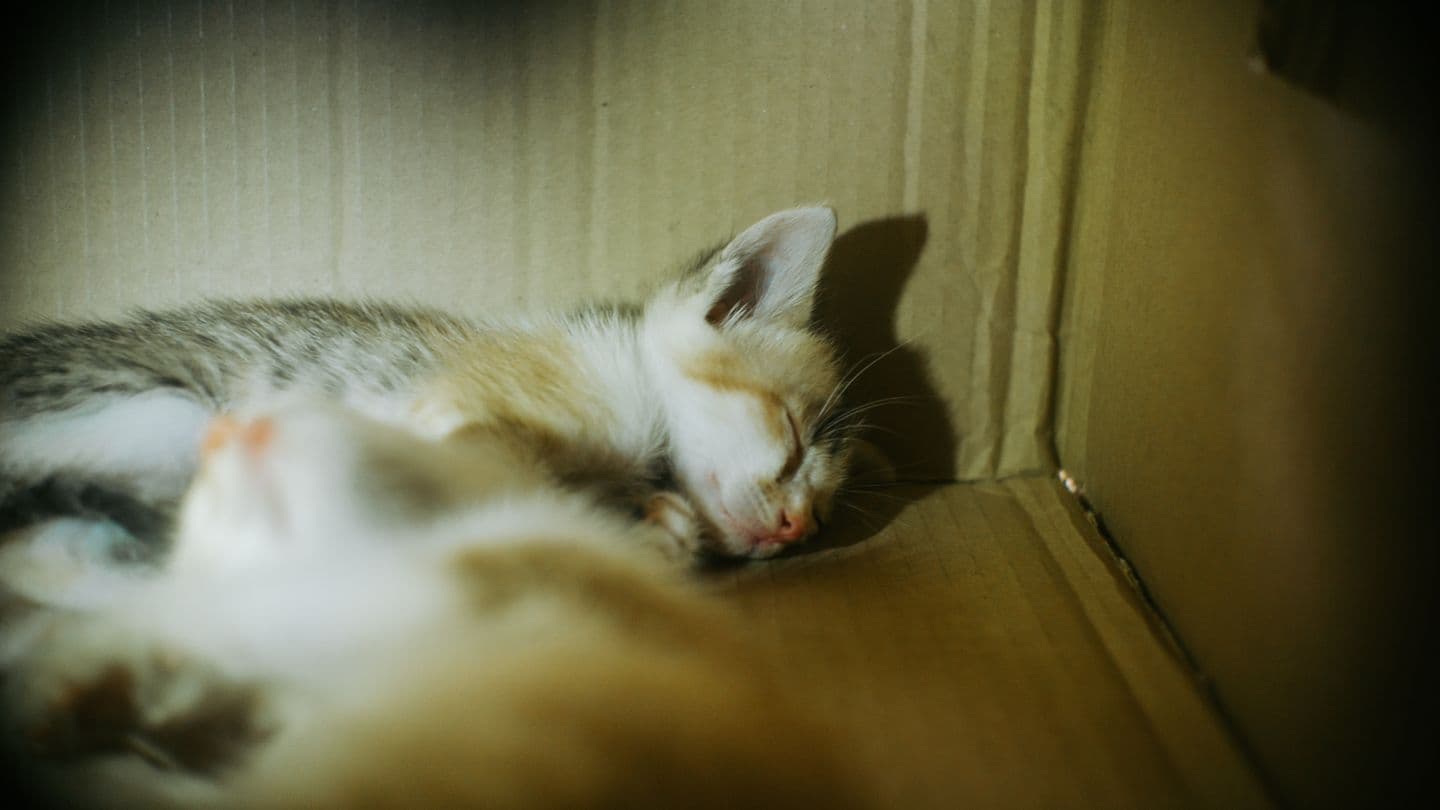
Kitten teeth are small but surprisingly sharp, and a determined kitten latched onto a finger or ankle can genuinely hurt. Before reaching for a solution, it helps to understand that biting at this age
Kitten teeth are small but surprisingly sharp, and a determined kitten latched onto a finger or ankle can genuinely hurt. Before reaching for a solution, it helps to understand that biting at this age is normal kitten behaviour, not a sign of a badly behaved cat, and it responds very well to consistent redirection.
Why kittens bite
Teething: kittens lose their baby teeth between roughly three and six months, and sore gums make chewing on something, anything, genuinely soothing.
Play: kittens hunt in play, and hands or feet that wiggle under a blanket look exactly like prey to a kitten's brain.
Missing littermate lessons: kittens learn how hard is too hard by playing with siblings, who yelp and stop playing when bitten too hard. A kitten separated from littermates very early, common with hand-reared or orphaned street kittens in India, sometimes misses this lesson entirely.
Overstimulation: a kitten who has been petted or played with for too long can bite as a way of saying enough, especially if belly rubs are involved, since the belly is a vulnerable area even for a relaxed cat.
What actually works
Never use your hands or fingers as play toys, even for a tiny kitten. It teaches them that skin is an acceptable target, a lesson that is much harder to unlearn once they are an adult cat with adult-strength jaws.
Redirect immediately to a toy the moment teeth touch skin. Keep a soft toy or wand toy within reach specifically for this.
Mimic the yelp. A short, sharp "ow" and briefly withdrawing your hand mimics what a littermate would have done, and most kittens pick up the pattern within a couple of weeks of consistent repetition.
End the play session calmly if biting continues, rather than escalating with shouting or physical punishment, which tends to make a kitten either more fearful or more defensively bitey.
Give teething kittens appropriate things to chew, such as a damp washcloth that has been chilled in the fridge, or silicone teething toys designed for kittens.
When it is more than play
Persistent, hard biting accompanied by flattened ears, a swishing tail, or growling is a different picture from playful nipping, and points towards fear or overstimulation rather than teething or hunting instinct. If a kitten's biting is not softening at all by five to six months despite consistent redirection, it is worth a conversation with your vet to rule out pain, and to get tailored behavioural advice rather than continuing to guess.
A note for households with children
Children often unintentionally encourage bite play by using their hands to wiggle at a kitten, which is exactly the movement that triggers a hunting response. Teaching kids to only play with the kitten using a wand toy, never bare hands, prevents a lot of frustration and a fair number of small scratches.
When does biting usually fade
Most kittens bite far less by the time they reach six to nine months, as teething finishes, energy levels even out slightly, and consistent redirection has had time to sink in. A kitten raised alongside a littermate or another gentle cat close in age often grows out of hard biting faster, since they have an appropriate outlet to wrestle and bite each other rather than you. This is one of the more practical arguments in favour of adopting two kittens together where your household can manage it.
Almost every calico cat you meet, with that distinctive patchwork of orange, black and white, will be female. This is not folklore, it comes down to genetics, and it is one of the more elegant example
A swollen eye looks alarming, and it should get your attention quickly. The eyelid, the eyeball itself, or the tissue around the eye can all swell for very different reasons, so working out which one
Most cats never need their claws trimmed at all, and clipping can even work against them, since cats rely on their claws for both defence and climbing. As cats age and become less mobile, though, claw