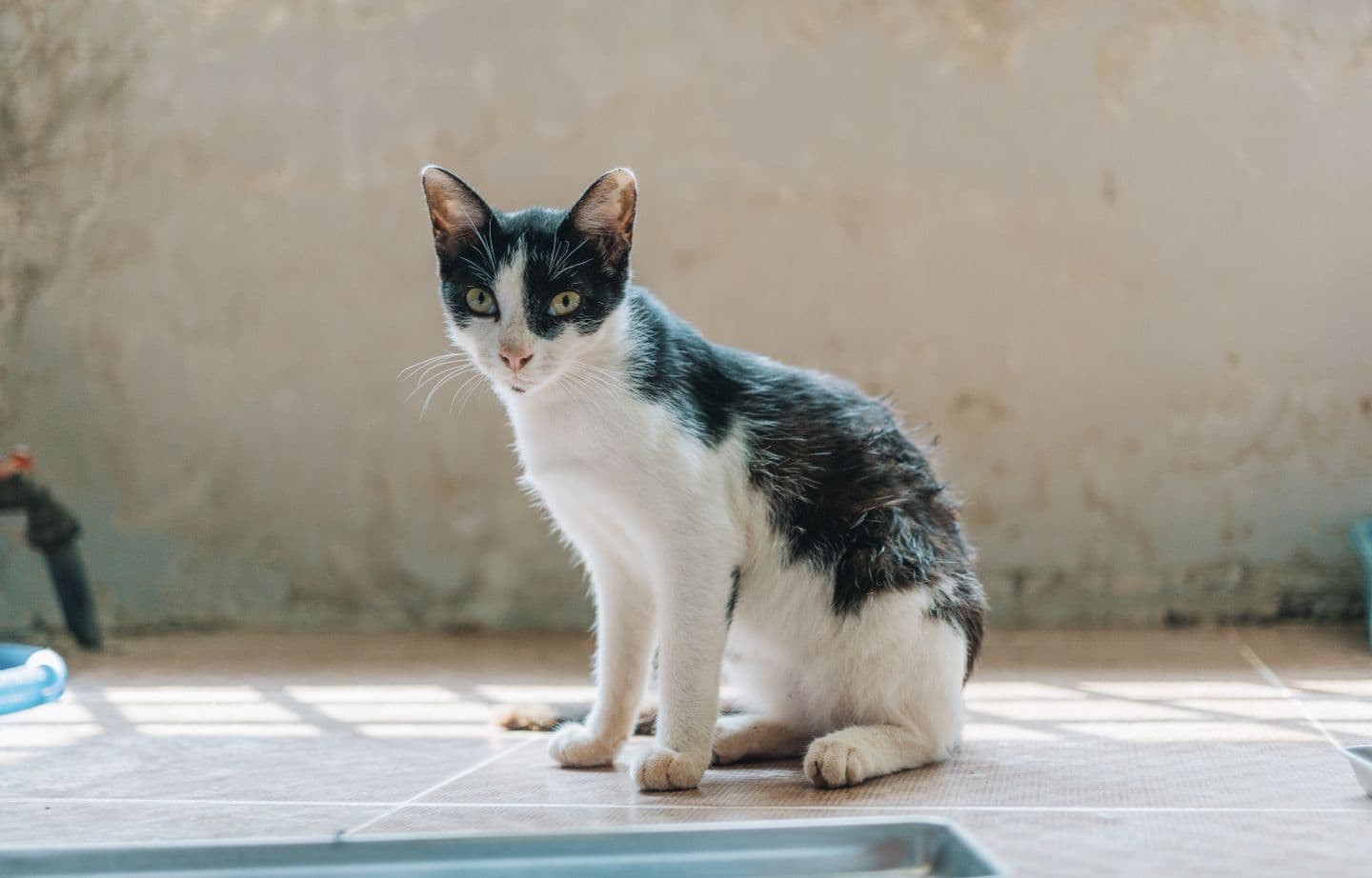
Ways to Show Your Cat You Love Them (In a Language They Actually Understand)
Cats do not read affection the way people or dogs do, so gestures that feel loving to us, a tight hug, a big smile, direct eye contact, can occasionally come across as pressure rather than warmth. Sho
Cats do not read affection the way people or dogs do, so gestures that feel loving to us, a tight hug, a big smile, direct eye contact, can occasionally come across as pressure rather than warmth. Showing love to a cat mostly means learning to speak a little of their language.
The slow blink
Looking at your cat, closing your eyes slowly, and opening them again is about as close as it gets to a feline I love you. Cats often blink back, and offering this during calm moments, across a room or up close, builds familiarity without any physical contact required.
Respecting their pace
Letting a cat approach you, rather than reaching for them first, is itself a sign of respect a cat notices over time. Sitting at their level, offering a hand to sniff before attempting any petting, and not following them when they walk away all communicate that you are safe company rather than a source of pressure.
Everyday gestures that genuinely register
Scratching the base of the ears and under the chin, spots most cats cannot easily reach themselves.
Keeping food and water genuinely fresh, rather than topped up over stale leftovers.
Learning their specific play style and offering a proper hunting-style session most days, chase, catch, release.
Talking in a calm, lower voice rather than a loud, excited one, particularly when greeting them after time apart.
Simply sitting nearby without demanding interaction, which many cats read as comfort rather than neglect.
Reading whether it is landing
A relaxed, slightly raised tail, slitted or half-closed eyes, and a cat that chooses to stay near you rather than leave are all signs your efforts are registering. Purring is a good sign in most contexts, though cats occasionally purr when stressed too, so it is worth reading it alongside body posture rather than on its own. Ultimately, the clearest sign of love from a cat is trust shown through choice, sitting near you, sleeping in the open rather than hiding, approaching first, rather than any single dramatic gesture.
When your cat shows love back
Cats express affection on their own initiative too, and it helps to recognise it rather than miss it entirely. A cat that headbutts your hand or leg, called bunting, is depositing scent from glands on its face, effectively marking you as its own in the most affectionate sense of the term. Kneading with the front paws, sometimes on a blanket or on your lap, is a leftover kitten behaviour from nursing and generally signals deep comfort and contentment. And the occasional dead lizard or insect left proudly on the doormat, unwelcome as it is, is widely believed by animal behaviourists to be a cat sharing what it sees as a valuable resource with someone it considers part of its own family.
Almost every calico cat you meet, with that distinctive patchwork of orange, black and white, will be female. This is not folklore, it comes down to genetics, and it is one of the more elegant example
A swollen eye looks alarming, and it should get your attention quickly. The eyelid, the eyeball itself, or the tissue around the eye can all swell for very different reasons, so working out which one
Most cats never need their claws trimmed at all, and clipping can even work against them, since cats rely on their claws for both defence and climbing. As cats age and become less mobile, though, claw