Your Cat's Personality Isn't Random, Here's Where It Comes From
Every cat owner ends up with strong opinions about their particular cat's personality, bold, aloof, chatty, anxious, and it turns out these traits are not just random quirks. A combination of genetics
Every cat owner ends up with strong opinions about their particular cat's personality, bold, aloof, chatty, anxious, and it turns out these traits are not just random quirks. A combination of genetics, early experience, and breed tendencies shapes feline personality in ways researchers have only recently started mapping properly.
Genetics plays a bigger role than most people assume
Kitten temperament is measurably influenced by the father, even in cases where the father has no contact with the kittens after mating, which points to a real genetic component rather than one shaped purely by upbringing. Studies on registered breeds have also found meaningful, consistent behavioural differences tied to breed: Siamese and Oriental cats trend more vocal and demanding of attention, Ragdolls and Birmans trend calmer and less active, Bengals and Cornish Rex trend towards higher energy and curiosity. Since most Indian pet cats are mixed breed, these tendencies show up as a broader mix of traits rather than one predictable pattern, though the underlying genetic influence is the same.
What about coat colour?
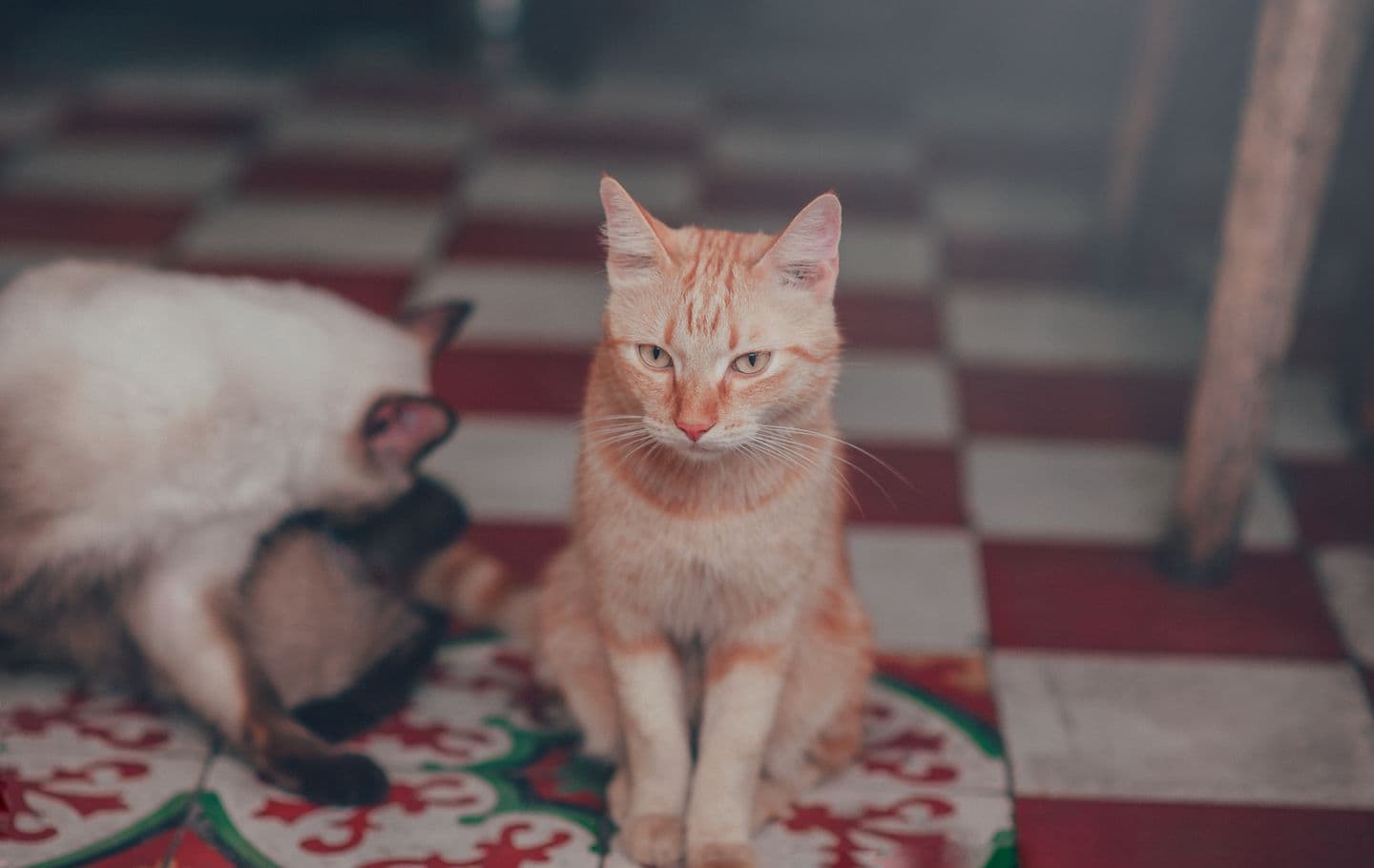
The idea that orange cats are friendlier or tortoiseshell cats are feistier is one of the most persistent bits of cat folklore, and it turns out to be mostly perception rather than proven fact. Multiple studies asking owners about their cats' colours and personalities do find consistent stereotypes, orange cats reported as friendlier, tricolour cats reported as more intolerant, but researchers have found little solid evidence that colour itself drives personality independent of breed. Where a real biological link exists, it is subtler: coat colour genes sit near some of the same genetic pathways involved in temperament in a few animal studies, which may explain why the stereotypes persist even without colour being a direct cause.
The early weeks matter enormously
Beyond genetics, the socialisation window between roughly two and nine weeks of age has an outsized effect on adult temperament. Kittens gently handled by different people, exposed to varied sounds, and given positive experiences during this window tend to grow into more confident, adaptable adult cats. A kitten that missed this window, common among rescued strays, can still become a loving companion, but may need more patience and a slower pace of trust-building as an adult.
So what actually shapes your cat
In short: genetics sets a baseline temperament, breed tendencies add a layer on top of that for pedigree cats, and early-life experience, particularly in those first formative weeks, does much of the rest of the shaping. Coat colour, despite the folklore, appears to be along for the ride rather than driving the bus.
Almost every calico cat you meet, with that distinctive patchwork of orange, black and white, will be female. This is not folklore, it comes down to genetics, and it is one of the more elegant example
A swollen eye looks alarming, and it should get your attention quickly. The eyelid, the eyeball itself, or the tissue around the eye can all swell for very different reasons, so working out which one
Most cats never need their claws trimmed at all, and clipping can even work against them, since cats rely on their claws for both defence and climbing. As cats age and become less mobile, though, claw