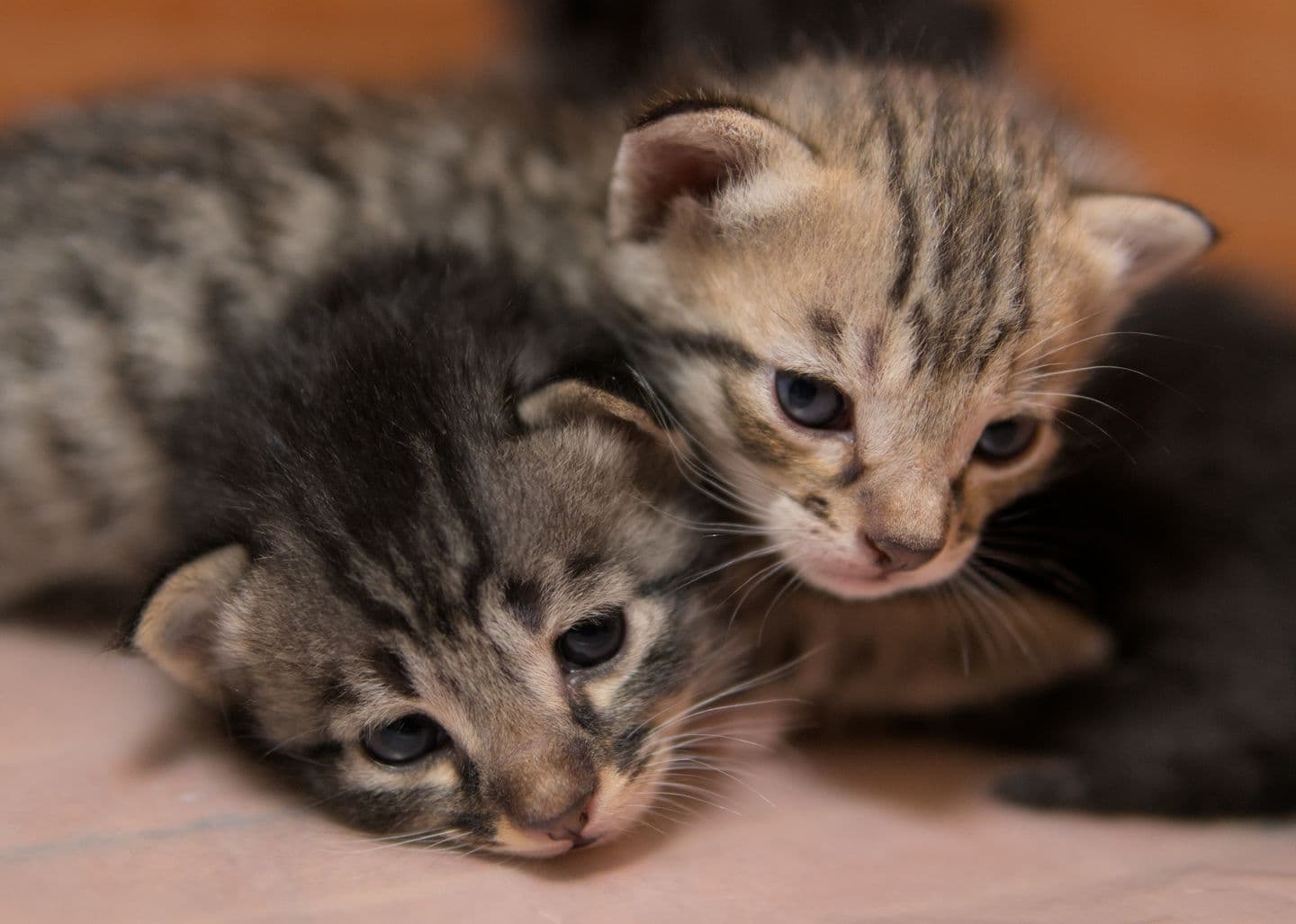
Bathing Your Kitten: A Practical Guide for New Owners
Most short-haired cats are efficient self-groomers, but a young kitten may not yet be capable of grooming itself fully. If that's the case, or if your kitten has a longer coat, an occasional bath may
Adapted from a Pet Sitters Ireland feature on kitten hygiene.
Most short-haired cats are efficient self-groomers, but a young kitten may not yet be capable of grooming itself fully. If that's the case, or if your kitten has a longer coat, an occasional bath may be part of the plan. The same goes if your kitten has gotten into something outside and come back filthy or smelly. That still leaves a few practical questions: how often should you bathe a kitten, which shampoo is right, and how do you get through the process without getting scratched?
Some cats genuinely love water
Contrary to the usual cat-and-water stereotype, some breeds actively enjoy it. Bengal cats, for instance, are known to follow their owners into the bath or shower. Maine Coons share that fondness for water too, and should be bathed regularly anyway to prevent their long coat from matting and to support general hygiene. Owners of either breed generally won't face much resistance at bath time.
Bathing Sphynx kittens
Sphynx cats are a special case — regular bathing is a genuine health requirement for this hairless breed. Their skin folds, especially pronounced in kittens, easily trap dirt and skin oils, so bathing helps keep hygiene under control. It's just as important to dry them thoroughly afterward, since trapped moisture in the folds can cause its own problems. A weekly bath is generally recommended for Sphynx cats.
How often should you bathe a kitten?
Kittens typically learn to self-groom within their first few months, with their mother handling grooming duties before that. If you've taken in a kitten before it's learned to groom itself, weekly baths will help keep it clean and comfortable in the meantime.
Once a kitten becomes a competent self-groomer, baths become far less frequent — usually just once or twice a year, since cats are naturally fastidious about keeping themselves clean.
Choosing the right shampoo
Stick to shampoo formulated specifically for cats and kittens, and avoid human shampoo altogether — a kitten's skin and coat are sensitive enough that the wrong product can cause irritation. Natural, organic, or herbal shampoos are generally a good bet, provided they don't contain tea tree oil, which can be toxic to kittens in larger doses. If your kitten seems to prefer the smell or feel of a particular shampoo, it's worth sticking with it consistently, since that familiarity tends to make bath time easier over time.
Bathing without getting scratched
An unhappy kitten will scratch in an effort to escape whatever's causing the distress. The best approach is a calm, matter-of-fact one: ease your kitten into the process gradually rather than rushing or reacting to their protest.
A practical routine: trim your kitten's nails beforehand, prepare the bathroom or laundry room in advance, keep warm water running gently, hold your kitten securely with a harness or by the scruff of the neck, lather, rinse, and repeat as needed. Afterward, dry your kitten gently with a soft towel to prevent them from getting chilled.
Bathing after flea treatment
Kittens should be fully dry when a flea treatment is applied, and it's best to avoid bathing them again for 48 hours afterward to give the treatment time to work properly.
A useful tip
Placing a small piece of cotton wool in your cat's ears before a bath helps keep water out and can prevent ear irritation.
Almost every calico cat you meet, with that distinctive patchwork of orange, black and white, will be female. This is not folklore, it comes down to genetics, and it is one of the more elegant example
A swollen eye looks alarming, and it should get your attention quickly. The eyelid, the eyeball itself, or the tissue around the eye can all swell for very different reasons, so working out which one
Most cats never need their claws trimmed at all, and clipping can even work against them, since cats rely on their claws for both defence and climbing. As cats age and become less mobile, though, claw