Grooming Your Cat: Why It Matters and How to Do It Well
Cats spend a considerable part of every day grooming themselves, helped by remarkably flexible bodies that can twist and bend to reach almost anywhere, and a tongue covered in tiny backward-facing spi
Rewritten from source material originally published at: icatcare.org/advice/grooming-your-cat/
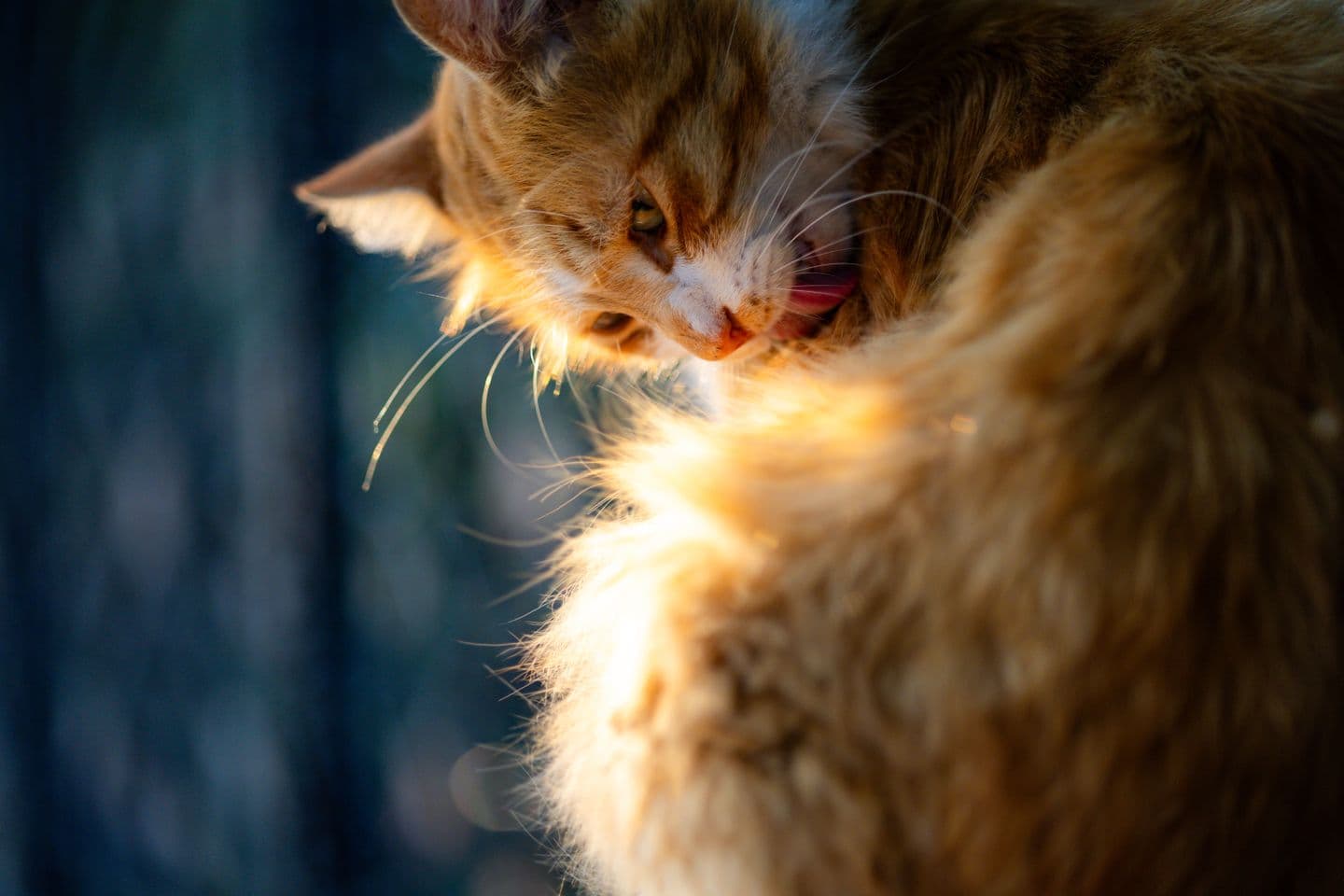
Cats spend a considerable part of every day grooming themselves, helped by remarkably flexible bodies that can twist and bend to reach almost anywhere, and a tongue covered in tiny backward-facing spines that works loose hair and dirt out of the coat with real efficiency. Most cats' coats are made up of three hair types, down, awn, and guard hair, though the exact mix varies by breed and gives different coats their distinct look and feel. Cats shed to some degree all year round, and much of that loose hair gets swallowed during self-grooming, either passing through the digestive system or coming back up as a hairball.
What grooming does for a cat
Removes loose hair and keeps the coat smooth, improving natural insulation
Helps regulate body temperature in hot weather, as saliva spread across the coat cools the cat as it evaporates
Keeps the coat waterproof by stimulating oil-producing glands at the base of the hairs
Spreads sebum through the coat, which produces vitamin D on exposure to sunlight, later ingested by the cat
Distributes the cat's own scent across its body
Helps remove parasites
Reinforces social bonds when cats groom one another
Why it is worth grooming your cat yourself
Improves muscle tone
Stimulates the skin to produce oils, giving the coat a healthy shine
Removes loose hair that would otherwise be swallowed, cutting down on hairballs, especially useful during heavy moulting
Gives you a regular, low-key opportunity to check ears, eyes, and mouth, and look for fleas, ticks, ear mites, or lumps
Strengthens the bond between you, provided the experience stays positive for both of you
It is worth getting a kitten accustomed to grooming as early as possible, building up the time spent gradually until they are genuinely comfortable being brushed. Many cats come to enjoy it thoroughly and treat it as part of their daily routine, though tolerance varies between individuals, and building it up gently, without ever forcing the issue, matters more than speed. A cat should never be groomed or held in place against its will if it clearly wants to get away. Cats accustomed to regular handling from an early age also tend to cope far better with veterinary examinations later, since the experience of being handled is already familiar rather than alarming.
Signs your cat has had enough
Watch for the following subtle signals during grooming or petting, and stop if you notice any of them:
Skin rippling or twitching
The tail swishing, thumping, or twitching at the tip
A sharp turn of the head toward your hand or the brush
Sudden freezing or tensing
Ears flicking or rotating backward
Lip licking or swallowing
A head shake
A short, rapid burst of self-grooming
Growling or hissing
Grooming a short-haired cat
You will need a fine-toothed flea comb, a bristle brush, and a rubber grooming mitt or pad. Start when your cat is relaxed, aiming for at least once a week. Comb through first with the flea comb to check for flea dirt (tiny dark, comma-shaped specks that turn reddish if dampened), and speak to your vet about flea control if you find any. Loosen dead hair by massaging gently with your fingers against the direction of growth, toward the head, then brush or comb from head to tail in the direction the hair naturally grows. A bristle brush swept toward the head, then smoothed back down, lifts more loose hair to the surface (not every cat enjoys this part). Follow with the rubber mitt or pad from head to tail to remove the loosened hair and stimulate circulation, then a final pass with a damp cloth or rubber glove for a glossy finish. Keep sessions as short as your cat is comfortable with, stop at the first sign of irritation, and end on a positive note with treats and praise.
Grooming a long-haired cat
For long-haired cats you will need a wide-toothed comb and a rubber mitt or pad. Daily grooming is generally necessary, though always within the limits of your cat's tolerance on any given day. Begin, as with short-haired cats, when your cat is relaxed, massaging the skin from tail to head to lift the coat and check for flea dirt as you go. Comb from head to tail, paying particular attention to the underarms and the area between the hind legs, where the skin is thin, sensitive, and prone to friction knots. If you find a mat, work it apart gently with your fingers, patiently, from the root toward the tip, rather than reaching for scissors; it is very easy to nick the skin once a mat is dense, since it becomes hard to tell where fur ends and skin begins. Mats also commonly form between the toes and pads, so check there too. Finish with the rubber mitt or pad, then a damp cloth to lift remaining loose hairs, and a final comb-through if your cat is still patient. If grooming becomes a struggle, stop, and pick it up again later with smaller, more achievable goals, rewarding calm behaviour with praise and treats throughout. A range of grooming tools, rakes, slicker brushes, detangling sprays, is available, and it is often a matter of trial and error to find what suits you and your cat best.
Dealing with mats
Regular grooming should prevent mats forming in the first place. If a cat does arrive with mats already present, keep in mind that they can be genuinely uncomfortable, not unlike a clump of hair caught in a tight elastic band constantly tugging at the scalp. A professional groomer may be able to work a mat out by hand, but severe cases usually need to be shaved off by a vet, typically under sedation or general anaesthetic, which leaves a cat with fur only on the tail, head, and lower legs until it grows back.
Do cats need baths?
A healthy cat generally does not need to be bathed, and most cats do not tolerate it particularly well.
Almost every calico cat you meet, with that distinctive patchwork of orange, black and white, will be female. This is not folklore, it comes down to genetics, and it is one of the more elegant example
A swollen eye looks alarming, and it should get your attention quickly. The eyelid, the eyeball itself, or the tissue around the eye can all swell for very different reasons, so working out which one
Most cats never need their claws trimmed at all, and clipping can even work against them, since cats rely on their claws for both defence and climbing. As cats age and become less mobile, though, claw