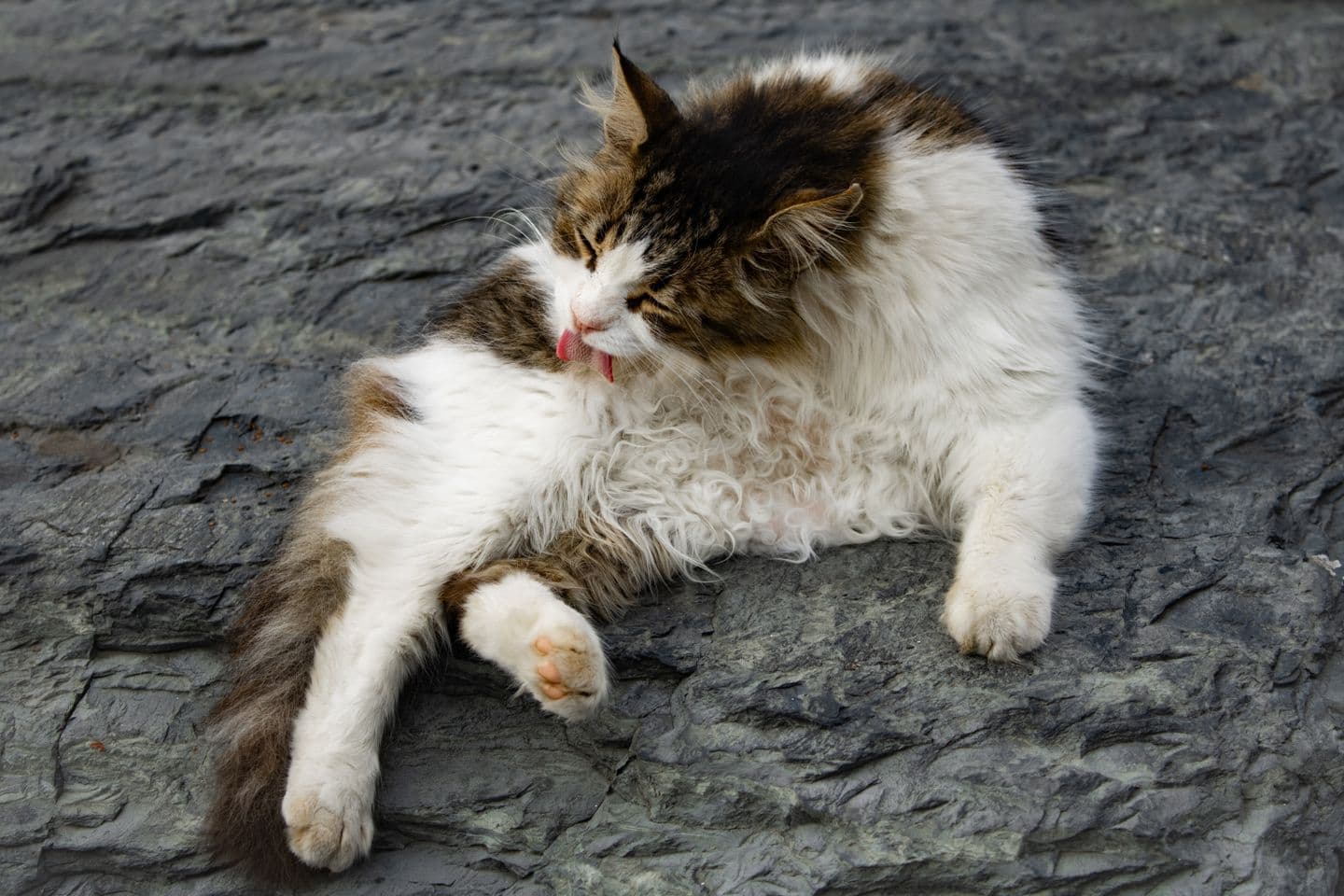
Cats spend a genuinely large part of their waking hours grooming, often thirty to fifty percent of it, and the habit runs on more than just tidiness.
The main reasons behind all that licking
Hygiene: removing loose fur, dirt and parasites, and spreading natural oils through the coat to keep it water resistant and insulated
Temperature regulation: saliva evaporating off the fur helps cool a cat down, which is part of why grooming often increases during hot Indian afternoons
Scent management: grooming spreads a cat's own scent evenly, which may help mask individual odour from predators in the wild, and also removes unfamiliar scents after being handled by a stranger or another animal
Bonding: cats that groom each other, known as allogrooming, are usually showing a close social bond, and the same instinct sometimes extends to grooming a trusted person's hand or hair
Self-soothing: grooming triggers the release of endorphins, which is why a startled or mildly stressed cat often stops to groom immediately afterwards
The tongue itself is built for the job
A cat's tongue is covered in small, backward-facing hooks called papillae, made of keratin, the same material as claws. These work almost like a built-in comb, pulling loose fur and debris out of the coat with each stroke, which is also why so much fur ends up swallowed and later coughed up as a hairball.
When grooming becomes a problem
Overgrooming to the point of bald patches, raw skin or repeated licking of one specific spot is not simply fastidiousness. It often points to stress, an allergy, a skin condition or, less commonly, pain in the area being licked. Undergrooming, resulting in a greasy, matted or unusually dull coat, is worth mentioning to a vet too, since older cats with joint pain or dental disease sometimes groom less because reaching certain areas has become uncomfortable.
Helping the process along
Regular brushing helps any cat, but it matters more for long-haired breeds such as Persians, popular in many Indian homes, since a good brushing session removes loose fur before the cat swallows it during self-grooming. A few minutes two or three times a week noticeably cuts down on hairball frequency and matting, and most cats come to enjoy it as a bonding routine once they are used to it.
Almost every calico cat you meet, with that distinctive patchwork of orange, black and white, will be female. This is not folklore, it comes down to genetics, and it is one of the more elegant example
A swollen eye looks alarming, and it should get your attention quickly. The eyelid, the eyeball itself, or the tissue around the eye can all swell for very different reasons, so working out which one
Most cats never need their claws trimmed at all, and clipping can even work against them, since cats rely on their claws for both defence and climbing. As cats age and become less mobile, though, claw