Most cats are meticulous self-groomers, equipped with a rough tongue and remarkable flexibility that lets them keep clean without any help from you. That said, there are genuine situations where only
Most cats are meticulous self-groomers, equipped with a rough tongue and remarkable flexibility that lets them keep clean without any help from you. That said, there are genuine situations where only a proper bath will do, and knowing how to approach it makes all the difference between a manageable task and a full-blown ordeal.
When a bath is actually necessary
A cat's tongue is covered in tiny bumps that lift dirt and loose hair extremely effectively, so bathing is rarely needed purely for routine cleanliness. Several specific situations do call for it, though:
Ringworm — despite the name, this is a fungal infection rather than a parasite, and it is treated with a vet-prescribed medicated bath.
Fleas — most flea treatments are applied directly to the fur and do not require a full bath, but a severe infestation may call for one on your vet's advice, and kittens too young for standard flea treatments may need bathing as an alternative.
Arthritic or obese cats — reduced mobility can make it physically difficult for a cat to reach and clean parts of its own body properly.
Sphynx and other hairless breeds — these cats need weekly bathing to remove the excess oil that naturally builds up on bare skin.
Genuine mess — anything from a skunk encounter to a substance that has got into the coat and needs proper removal.
Choosing where to bathe your cat
Most cats feel more secure in a smaller, enclosed space, which usually makes a sink a better choice than a full bathtub, with the added benefit of saving your back. Alternatively, a smaller container such as a rubber tote or a toddler bath placed inside the tub works well too.
If you do use a sink, make absolutely sure it has no garbage disposal unit, or cover the opening securely with a mat, since a cat's paws can be injured by the blades even when switched off. Since most domestic cats are not natural water enthusiasts, a baby wipe or specially made cleansing cloth is often a perfectly good alternative for a quick freshen-up, and dry shampoos can help too, though they are not considered a genuine substitute for a proper bath.
What you'll need
Cat-specific shampoo (human shampoo will dry out a cat's skin)
A pitcher or a detachable showerhead
A rubber tote or toddler bathtub, if using the tub rather than a sink
A non-slip mat for traction, or a towel or piece of old yoga mat as a substitute
Plenty of towels
A cat comb or brush
Cotton balls, placed gently in the ears to help keep water out
Treats
Optionally, a pheromone diffuser to help keep your cat calm
Step by step
Gather everything in advance, wear clothes you don't mind getting wet, lay towels on the floor, and close the door to prevent an escape.
Fill the sink or container with a few inches of warm water, checking the temperature carefully before starting.
Hold your cat gently but firmly by the scruff, the loose skin around the neck.
Saturate the coat using the pitcher or showerhead, taking care to avoid pouring water directly over the head.
Lather with cat-specific shampoo, diluted around five parts shampoo to one part water, avoiding the face; use a wipe, damp cloth, or plain water for that area instead.
Rinse thoroughly, since leftover shampoo can irritate the skin or cause matting; keep checking the water temperature and use a gentle flow so as not to startle your cat.
Dry with several towels; avoid a hairdryer unless your cat is already completely comfortable with the noise.
Comb through long hair, since wet, long fur mats easily.
Finish with a treat, to build a positive association with bath time for next time.
Making it easier
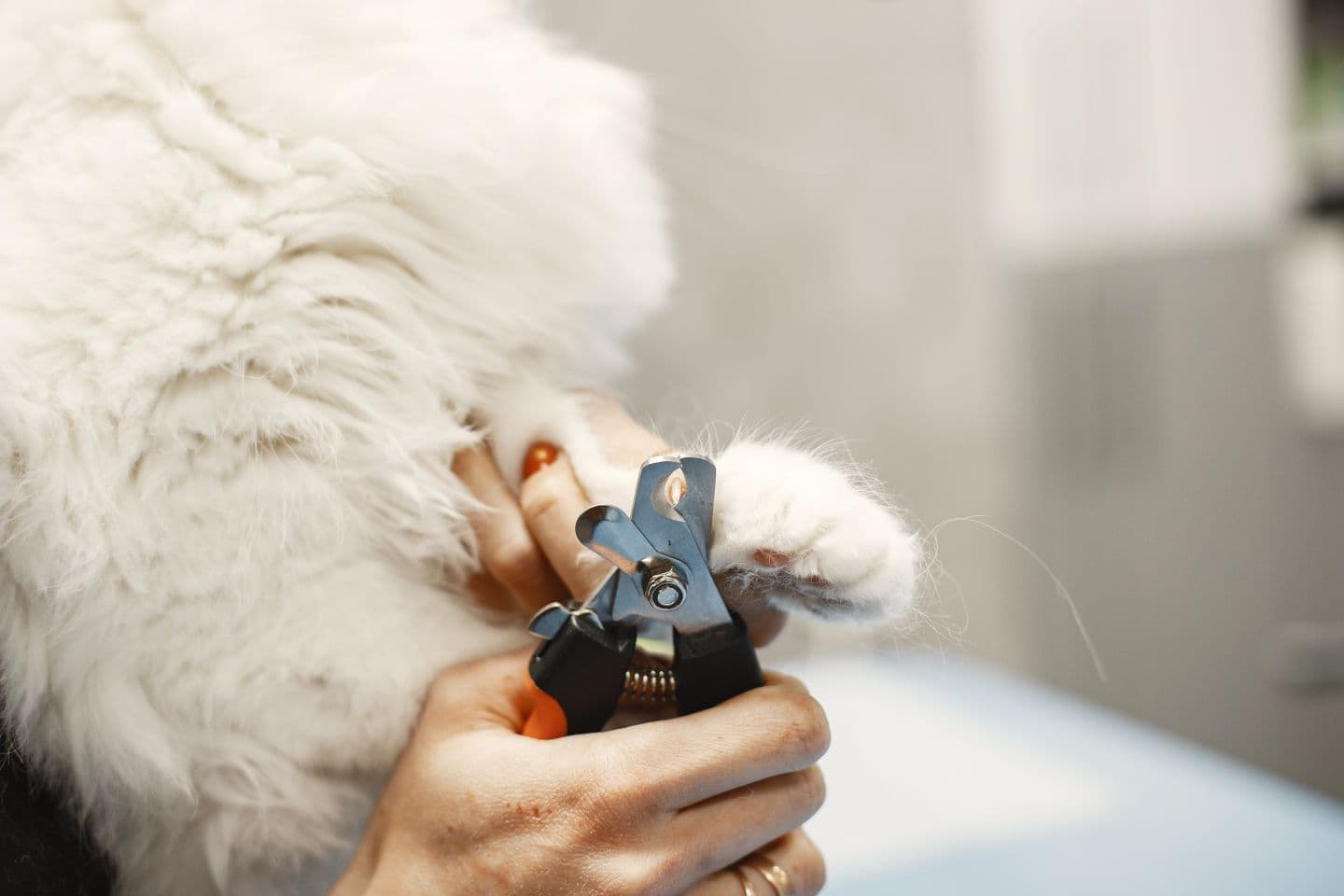
Trim your cat's nails beforehand to reduce the risk of scratches.
Introduce the sink or tub gradually beforehand to ease any fear, and start early if you have a kitten, so it grows up used to the process.
Brush your cat before bathing to prevent tangles and matting.
Get a second pair of hands from a willing friend if you can.
Try a short play session beforehand to leave your cat relaxed and content, and schedule the bath for a time your cat is naturally settled, such as shortly after a meal.
Bathing a cat does not need to be a dreaded chore. And if it genuinely proves too much for either of you, a professional groomer is always a perfectly good option.
Almost every calico cat you meet, with that distinctive patchwork of orange, black and white, will be female. This is not folklore, it comes down to genetics, and it is one of the more elegant example
A swollen eye looks alarming, and it should get your attention quickly. The eyelid, the eyeball itself, or the tissue around the eye can all swell for very different reasons, so working out which one
Most cats never need their claws trimmed at all, and clipping can even work against them, since cats rely on their claws for both defence and climbing. As cats age and become less mobile, though, claw