Most cats do not need regular baths. Their tongue and saliva do an efficient job of self-grooming, and over-bathing can actually dry out their skin and strip natural oils. That said, there are genuine
Most cats do not need regular baths. Their tongue and saliva do an efficient job of self-grooming, and over-bathing can actually dry out their skin and strip natural oils. That said, there are genuine reasons to bathe a cat occasionally, and knowing how to do it with minimal drama makes a real difference.
When a bath is actually needed
Your cat has gotten into something sticky, greasy, or toxic that grooming alone will not remove.
A senior or overweight cat that can no longer groom certain areas effectively.
A skin condition your vet has specifically recommended medicated bathing for.
Persistent matting in a long-haired cat that a bath and thorough brushing combination can help loosen.
Getting set up before you start
Have everything within arm's reach before you bring the cat anywhere near water: a cat-specific shampoo, never a human one, since a cat's skin pH is different and human products can irritate it, two towels, a non-slip mat for the sink or tub, and a cup for rinsing. Trim nails beforehand if your cat tolerates it, since a wet, startled cat with sharp claws is considerably harder to manage.
The bath itself
Use lukewarm water, never hot or cold, and fill the basin before bringing the cat in rather than running the tap next to them.
Wet the body gently with a cup, avoiding the face and ears entirely.
Apply a small amount of shampoo, working from the neck backwards, and rinse thoroughly since leftover shampoo residue is a common cause of itchy skin afterwards.
Wipe the face separately with a damp cloth rather than pouring water over it.
Keep the whole process brisk and calm, most of the stress comes from prolonged handling rather than the water itself.
After the bath
Wrap your cat immediately in a warm towel and blot rather than rub. Keep them in a warm, draught-free room until fully dry, since a damp coat in an air-conditioned room can leave a cat genuinely cold. Long-haired cats benefit from a gentle brush-through once mostly dry, to prevent the coat matting as it dries. A treat and calm praise afterwards helps build a slightly less dramatic reaction the next time around.
For a kitten's first bath
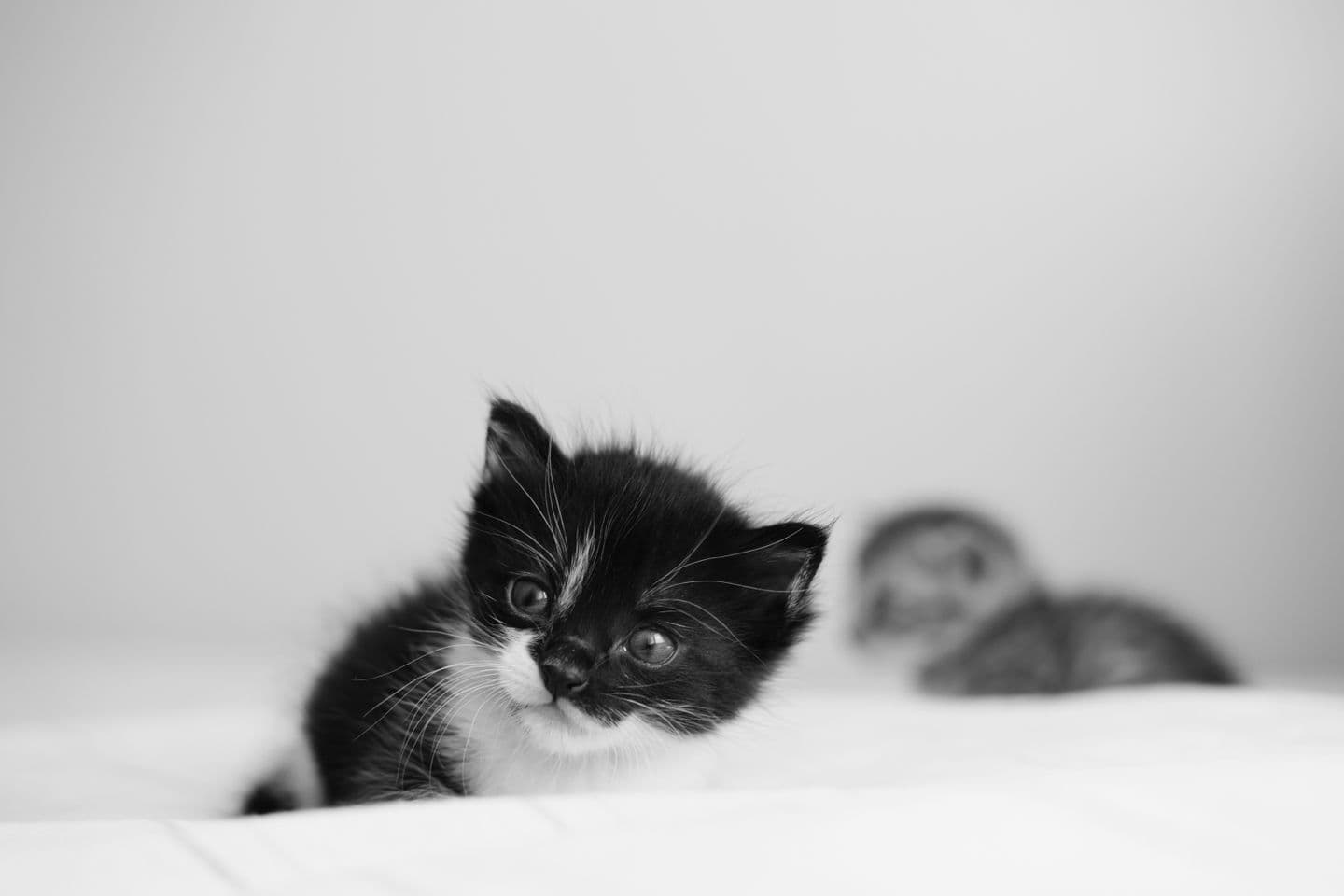
Wait until a kitten is at least eight weeks old and fully weaned before attempting any bath, and keep the first one especially short and gentle. A kitten's ability to regulate its own body temperature is still developing, so speed and warmth matter even more than they do for an adult cat.
Almost every calico cat you meet, with that distinctive patchwork of orange, black and white, will be female. This is not folklore, it comes down to genetics, and it is one of the more elegant example
A swollen eye looks alarming, and it should get your attention quickly. The eyelid, the eyeball itself, or the tissue around the eye can all swell for very different reasons, so working out which one
Most cats never need their claws trimmed at all, and clipping can even work against them, since cats rely on their claws for both defence and climbing. As cats age and become less mobile, though, claw