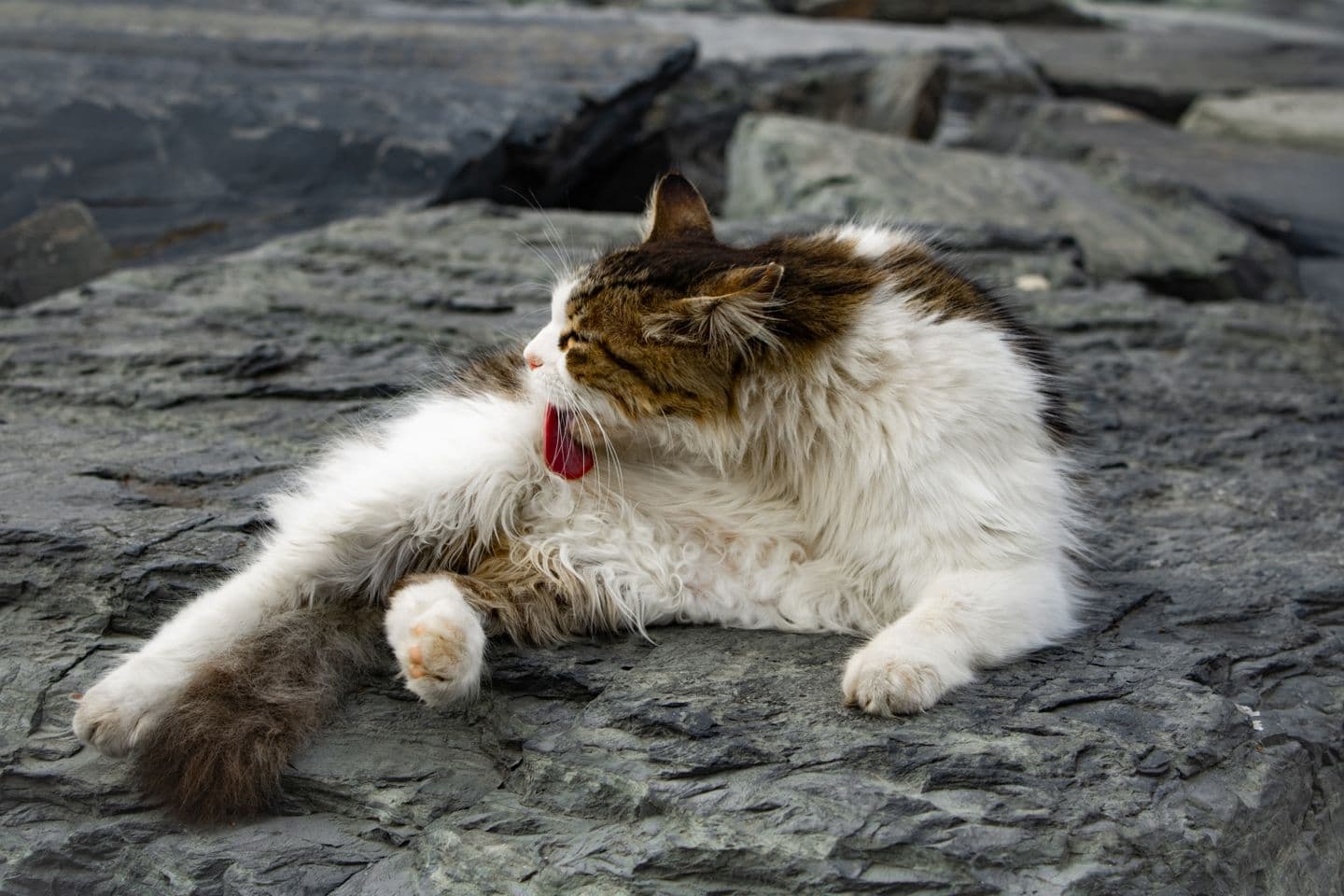
How to Groom Your Cat Without Getting Scratched or Bitten
Cats are famously good at self-care, but that does not mean they need zero help from you. Regular grooming, done right, keeps shedding and hairballs down, catches skin problems early, and in humid Ind
Cats are famously good at self-care, but that does not mean they need zero help from you. Regular grooming, done right, keeps shedding and hairballs down, catches skin problems early, and in humid Indian cities, helps prevent the matting and fungal issues that damp fur is prone to. Done wrong, it turns into a wrestling match. The difference usually comes down to timing, technique, and reading your cat's mood.
Pick your moment
Never start a grooming session with a cat that is already wound up, mid-zoomies, or hiding under the bed. The best window is after a meal or a play session, when your cat is naturally calmer and a little drowsy. Keep the first few sessions short, two or three minutes, and build up gradually rather than attempting a full grooming marathon on day one.
Brushing
Short-haired cats need a rubber grooming glove or a soft bristle brush once or twice a week.
Long-haired and semi-long-haired cats, common among India's mixed-breed and Persian-cross population, need brushing every one to two days to prevent mats, particularly behind the ears, under the arms, and around the tail base.
Always brush in the direction of hair growth, and stop the moment your cat's tail starts flicking irritably.
Nails, ears, and the parts cats actually dislike
Nail trims are usually the most resisted part of grooming. Press gently on a paw pad to extend the claw, trim only the sharp white tip, and avoid the pink quick, which bleeds and hurts if nicked. If your cat fights every attempt, trim one or two nails a day across a week rather than forcing all of them at once. For ears, a quick look for excess wax or a strong odour is enough; only clean visible grime at the outer ear with a vet-approved solution on a cotton pad, never a cotton bud pushed inside.
If your cat has had enough
A tail thrashing hard, ears pinned back, or a low growl are your cat's way of saying the session is over. Stop immediately rather than pushing through, since forcing it teaches your cat that grooming always ends in a struggle. Wrapping a particularly wriggly cat loosely in a towel with just the area you are working on exposed, sometimes called a purrito, can help with nail trims for cats that otherwise cannot sit still.
Almost every calico cat you meet, with that distinctive patchwork of orange, black and white, will be female. This is not folklore, it comes down to genetics, and it is one of the more elegant example
A swollen eye looks alarming, and it should get your attention quickly. The eyelid, the eyeball itself, or the tissue around the eye can all swell for very different reasons, so working out which one
Most cats never need their claws trimmed at all, and clipping can even work against them, since cats rely on their claws for both defence and climbing. As cats age and become less mobile, though, claw