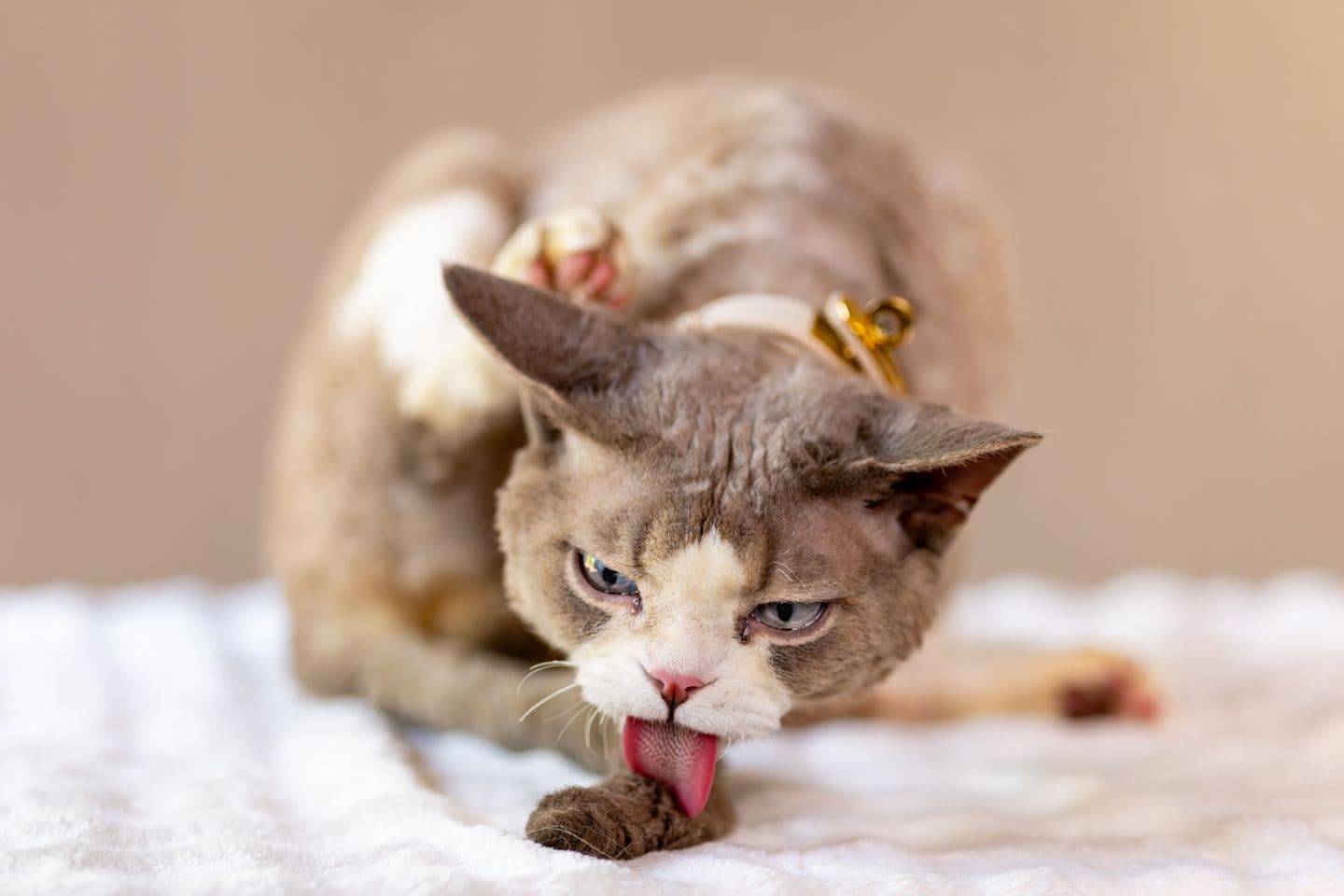
A bathtub might seem like an odd choice for a cat, but there is usually clear logic behind it, once you know what to look for.
Bathrooms are quiet, private, and often have smooth, easy to clean surfaces, all qualities that appeal to a cat looking for somewhere to eliminate. When a cat starts using a bathtub or sink instead of the litter box, it is worth treating this the same way as any other litter box avoidance, since the underlying reasons largely overlap.
Common reasons behind the switch
An unappealing or dirty litter box, pushing the cat to seek out a cleaner, smoother alternative
A medical issue such as a urinary tract infection, bladder stones, or gastrointestinal upset, particularly if the change is sudden
A litter box in a spot the cat finds noisy, exposed, or difficult to access
Stress or a household change, since bathrooms can feel like a safe, low traffic retreat
A learned preference, once the smooth surface and easy drainage of a tub or sink has been used successfully a few times
First steps
A vet visit to rule out a urinary or digestive issue should come before anything else, especially for sudden onset in a previously reliable cat, since straining, frequent small urinations, or visible discomfort during elimination can point to a genuine medical emergency in male cats in particular, where a blocked urethra is life threatening and requires immediate attention.
Once medical causes are ruled out
Deep clean the litter box daily and do a full litter change regularly, since cats are highly sensitive to a box that smells used
Review the litter box setup: type of litter, depth, box size, and number of boxes relative to the number of cats in the home
Thoroughly clean the bathtub or sink with an enzymatic cleaner after each incident, since standard bathroom cleaners often do not fully remove the scent that draws the cat back
Keep the tub or sink drain plugged and dry when not in use, or place a mat with an unfamiliar texture in it, since a wet or textured surface is less appealing than a smooth dry one
Move a spare litter box into the bathroom temporarily if the bathroom itself seems to be the preferred location, then gradually shift it back to a more practical spot over a few weeks
Most cats return to the litter box reliably once the combination of a genuine medical check and a properly maintained litter box setup is in place.
A small extra nudge back to the box
Litter attractant powders, an additive mixed into regular litter to encourage a cat to dig and eliminate there, are available through Indian pet retailers and can help nudge a cat back towards the litter box once the bathtub or sink habit has been blocked off. They work best as a temporary aid alongside the other changes above, not as a standalone fix, and are most useful in the first couple of weeks of retraining.
Almost every calico cat you meet, with that distinctive patchwork of orange, black and white, will be female. This is not folklore, it comes down to genetics, and it is one of the more elegant example
A swollen eye looks alarming, and it should get your attention quickly. The eyelid, the eyeball itself, or the tissue around the eye can all swell for very different reasons, so working out which one
Most cats never need their claws trimmed at all, and clipping can even work against them, since cats rely on their claws for both defence and climbing. As cats age and become less mobile, though, claw