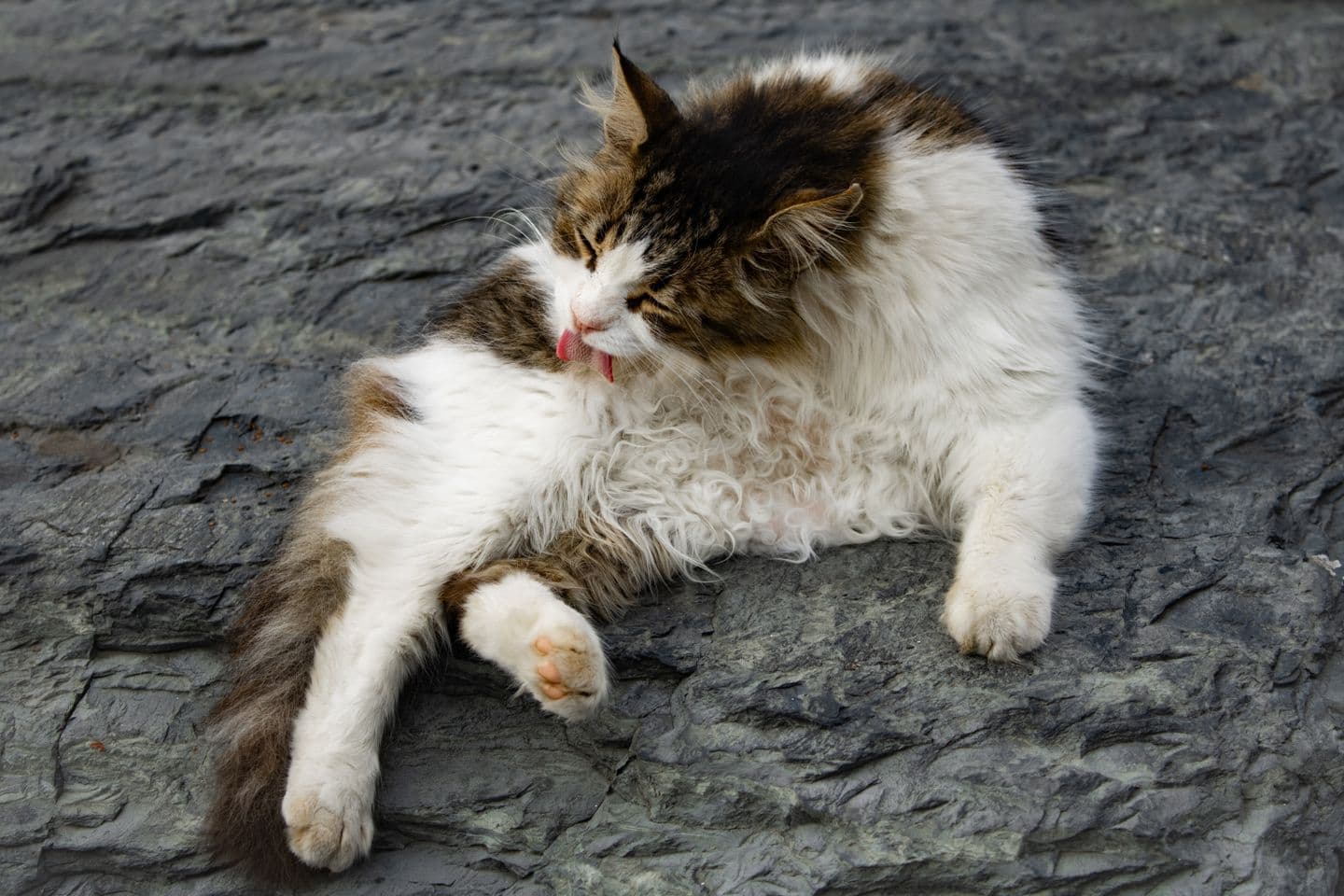
Why Does My Cat Lick My Hair? Understanding the Grooming Instinct
A cat settling in for a slow, deliberate lick of your hair can feel oddly specific and a little baffling the first time it happens, but it is actually one of the more affectionate behaviours a cat off
A cat settling in for a slow, deliberate lick of your hair can feel oddly specific and a little baffling the first time it happens, but it is actually one of the more affectionate behaviours a cat offers, rooted deeply in how cats bond with each other.
It is social grooming, extended to you
Cats that live together, or that are closely bonded with a particular human, often engage in what is called allogrooming, mutual grooming that reinforces social bonds and shares scent between group members. When your cat licks your hair, it is very often treating you as part of its social group in exactly the way it would groom a trusted companion cat.
Scent and texture both play a role
Hair holds onto scent, shampoo, natural oils, sweat, in a way a cat's sensitive nose picks up readily, and some cats are simply drawn to investigate and groom whatever smells most distinctly like their person. The texture may matter too; many cats seem to enjoy the sensation and rhythm of repeated licking regardless of what is under their tongue, similar to the comfort some cats find in kneading.
When it might mean something else
Occasionally, excessive licking of a person, especially if it escalates into repeated, almost compulsive behaviour, can be linked to anxiety or stress in the cat, particularly if it appears alongside other changes like reduced appetite or excessive self-grooming to the point of bald patches. This is the exception rather than the rule, most hair-licking is simply affectionate, but a sudden increase or an anxious quality to the behaviour is worth mentioning to your vet.
Whether to let it continue
Most owners find this behaviour endearing and are happy to let it continue, particularly since gently discouraging a cat mid-lick rarely works well and can come across as rejecting the affection. If the behaviour becomes uncomfortable, hair-pulling with teeth, for instance, redirecting gently onto a hand or offering a grooming session in return, brushing the cat, tends to satisfy the same urge without any discomfort on your end.
Almost every calico cat you meet, with that distinctive patchwork of orange, black and white, will be female. This is not folklore, it comes down to genetics, and it is one of the more elegant example
A swollen eye looks alarming, and it should get your attention quickly. The eyelid, the eyeball itself, or the tissue around the eye can all swell for very different reasons, so working out which one
Most cats never need their claws trimmed at all, and clipping can even work against them, since cats rely on their claws for both defence and climbing. As cats age and become less mobile, though, claw