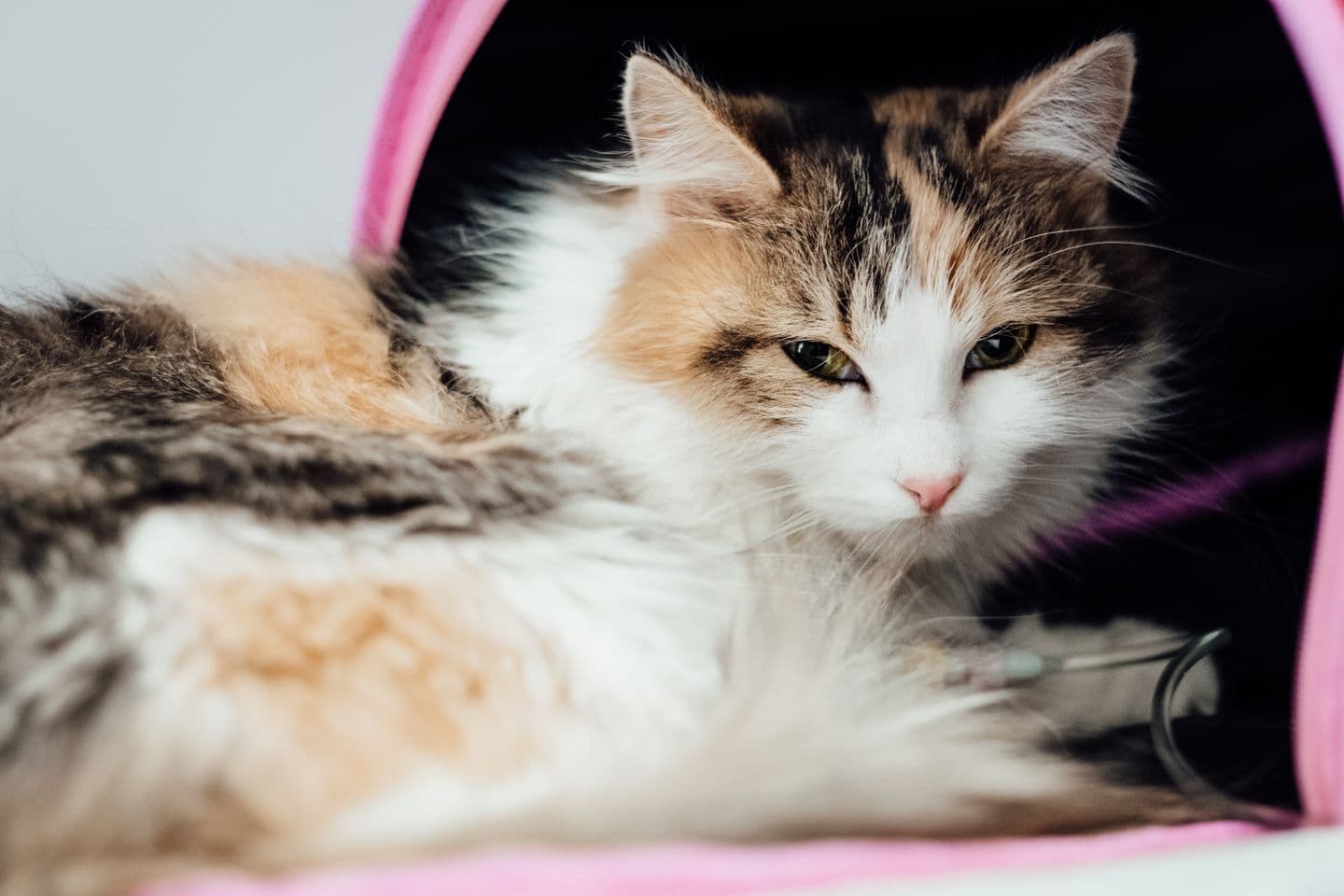
Can Cats Experience Mood Changes With the Seasons?
As monsoon skies roll in or winter days grow shorter, some cat owners in India notice their usually playful cat becoming quieter, sleeping more, or seeming less interested in food and play. It is fair
As monsoon skies roll in or winter days grow shorter, some cat owners in India notice their usually playful cat becoming quieter, sleeping more, or seeming less interested in food and play. It is fair to ask whether cats experience something like seasonal low mood the way people sometimes do.
What the evidence actually shows
There is no strong scientific evidence that cats experience a clinical seasonal mood disorder in the way it is understood in humans. However, cats are sensitive to changes in daylight, routine and environment, and behaviour can genuinely shift with the seasons, particularly through the monsoon months when outdoor access, natural light and daily stimulation often drop.
Why behaviour can change during the monsoon
Reduced daylight hours can affect a cat's activity and sleep cycle
Cats used to a balcony or window perch may lose that outdoor stimulation during heavy rain
Owners are often busier or less available for play during certain seasons, which affects a cat indirectly
Damp weather and lower activity can sometimes worsen joint discomfort in older cats, which looks like low mood but is actually pain
Rule out medical causes first
Before putting a behaviour change down to the weather, it is important to rule out illness. Lethargy, appetite loss and hiding are also classic signs of pain, dental disease, urinary problems or other medical conditions, so a vet check is the right first step for any sudden or lasting change. A general rule of thumb is that boredom related quietness usually lifts with extra play or a new toy within a few days, while illness related lethargy tends to persist or worsen regardless of stimulation, which is the clearer signal to see a vet.
Helping your cat through low stimulation months
Add short, regular play sessions with wand toys to make up for reduced outdoor time
Set up a safe window perch so your cat can still watch the world during rain
Use puzzle feeders to keep the mind engaged when activity is naturally lower
Keep feeding and play times consistent, since routine itself is comforting to most cats
Almost every calico cat you meet, with that distinctive patchwork of orange, black and white, will be female. This is not folklore, it comes down to genetics, and it is one of the more elegant example
A swollen eye looks alarming, and it should get your attention quickly. The eyelid, the eyeball itself, or the tissue around the eye can all swell for very different reasons, so working out which one
Most cats never need their claws trimmed at all, and clipping can even work against them, since cats rely on their claws for both defence and climbing. As cats age and become less mobile, though, claw