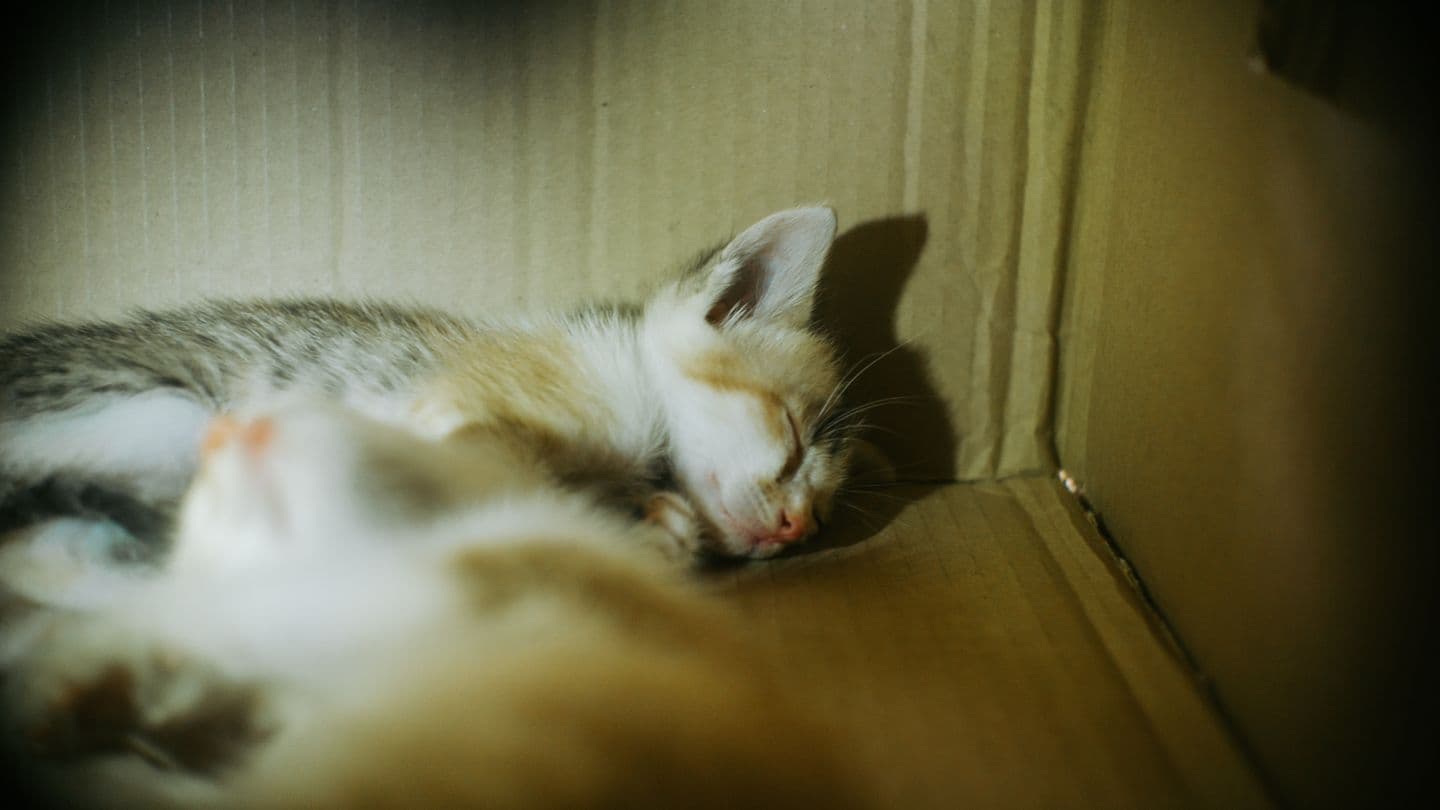
Caring for Mother and Kittens in the First Weeks After Birth
The days immediately after birth are when a mother cat needs the least interference and the most quiet support. She instinctively knows how to clean, feed and protect her kittens, and your job is larg
The days immediately after birth are when a mother cat needs the least interference and the most quiet support. She instinctively knows how to clean, feed and protect her kittens, and your job is largely to create the right conditions and watch for problems rather than to manage the process directly.
Setting up the space
Choose a warm, draught-free, low-traffic corner of the house, away from other pets and loud household activity. A cardboard box or a proper whelping box lined with clean, washable bedding works well. Keep the room temperature comfortable, since newborn kittens cannot regulate their own body heat for the first couple of weeks and rely on their mother and their surroundings to stay warm. In Indian homes with ceiling fans and air conditioning, make sure the nesting area is not in a direct draught, particularly during winter months in northern states.
Feeding both mother and kittens
A nursing mother needs considerably more food than usual, often two to three times her normal intake, since she is producing milk for the whole litter. Offer a good quality kitten food, which is calorie-dense and suited to her increased needs, along with constant access to fresh water. Kittens should be nursing every one to two hours in the first week, gradually stretching out as they grow. Weigh kittens daily if you can, using a simple kitchen scale, since steady weight gain is the clearest sign that feeding is going well.
What to watch for
Kittens should be warm, quiet between feeds, and gaining weight steadily day on day
Persistent crying, cold kittens or a lack of weight gain needs a vet's attention promptly
The mother should be eating well, alert, and interested in her kittens rather than avoiding them
Watch her for any signs of mastitis, fever or unusual discharge in the first few weeks
Handle kittens gently and briefly during the first week to get them used to human touch, without disrupting the mother's routine
Deworming and the first vaccinations typically begin around six to eight weeks, and your vet will guide you on a schedule suited to the litter. Keep the nesting area clean, but avoid using strong-smelling cleaning products near it, since a mother cat can become stressed and may move or reject kittens if their scent environment changes too much.
Almost every calico cat you meet, with that distinctive patchwork of orange, black and white, will be female. This is not folklore, it comes down to genetics, and it is one of the more elegant example
A swollen eye looks alarming, and it should get your attention quickly. The eyelid, the eyeball itself, or the tissue around the eye can all swell for very different reasons, so working out which one
Most cats never need their claws trimmed at all, and clipping can even work against them, since cats rely on their claws for both defence and climbing. As cats age and become less mobile, though, claw