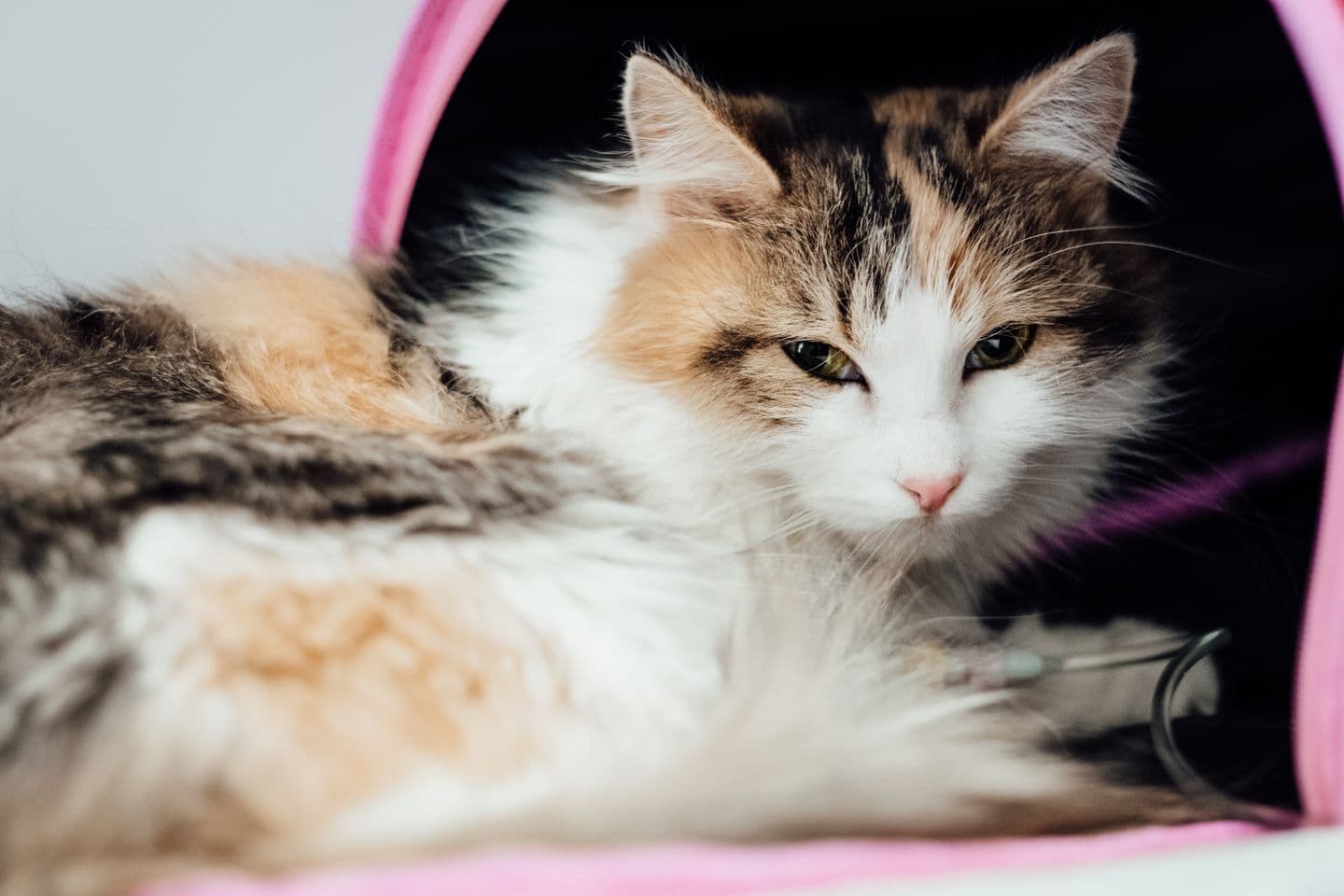
A light dusting of white flakes in your cat's coat, often called dandruff, is common and usually not something to lose sleep over. But because feline dandruff is frequently a symptom of something else
A light dusting of white flakes in your cat's coat, often called dandruff, is common and usually not something to lose sleep over. But because feline dandruff is frequently a symptom of something else going on rather than a standalone problem, it is worth paying attention to rather than dismissing outright.
Everyday causes
Low humidity, particularly during the drier winter months in northern India or in homes that run air conditioning heavily through summer
Insufficient grooming, often linked to obesity, arthritis, or dental pain that makes self grooming physically difficult
Bathing too frequently, which strips natural oils from the skin and coat
A diet lacking sufficient omega-3 fatty acids or overall nutritional quality
Causes that need veterinary attention
Fleas and mites, which irritate the skin directly and can sometimes be confused with dandruff at a glance
Ringworm, a fungal infection that often causes patchy hair loss alongside the flaking
Food or environmental allergies
Underlying conditions such as hyperthyroidism or diabetes, which can affect coat and skin quality as a secondary effect
Telling ordinary dandruff from a bigger problem
Occasional light flaking in a cat that is otherwise eating, playing and grooming normally is usually not urgent. Dandruff that comes with hair loss, redness, intense itching, a greasy or matted coat, or any behavioural changes points towards an underlying condition and is worth a vet visit rather than a home remedy.
What can help
Regular brushing to remove loose flakes and stimulate natural oil distribution through the coat
Adding a small amount of wet food if your cat eats mostly dry kibble, since hydration supports skin health
A humidifier in dry, air conditioned rooms during peak summer or winter
An omega-3 supplement, but only after checking with your vet on dosage suited to your cat
Never apply human moisturisers, lotions or essential oils to a cat's skin to manage dryness. Many contain ingredients such as certain essential oils, salicylates or fragrance compounds that are toxic to cats, especially since a cat will typically groom anything applied to its coat straight off and swallow it. Any product used on a cat's skin should be one specifically formulated and vet approved for feline use.
Since so many possible causes overlap in how they look, a vet visit is the fastest way to actually resolve persistent dandruff rather than guessing your way through several products at home.
Almost every calico cat you meet, with that distinctive patchwork of orange, black and white, will be female. This is not folklore, it comes down to genetics, and it is one of the more elegant example
A swollen eye looks alarming, and it should get your attention quickly. The eyelid, the eyeball itself, or the tissue around the eye can all swell for very different reasons, so working out which one
Most cats never need their claws trimmed at all, and clipping can even work against them, since cats rely on their claws for both defence and climbing. As cats age and become less mobile, though, claw