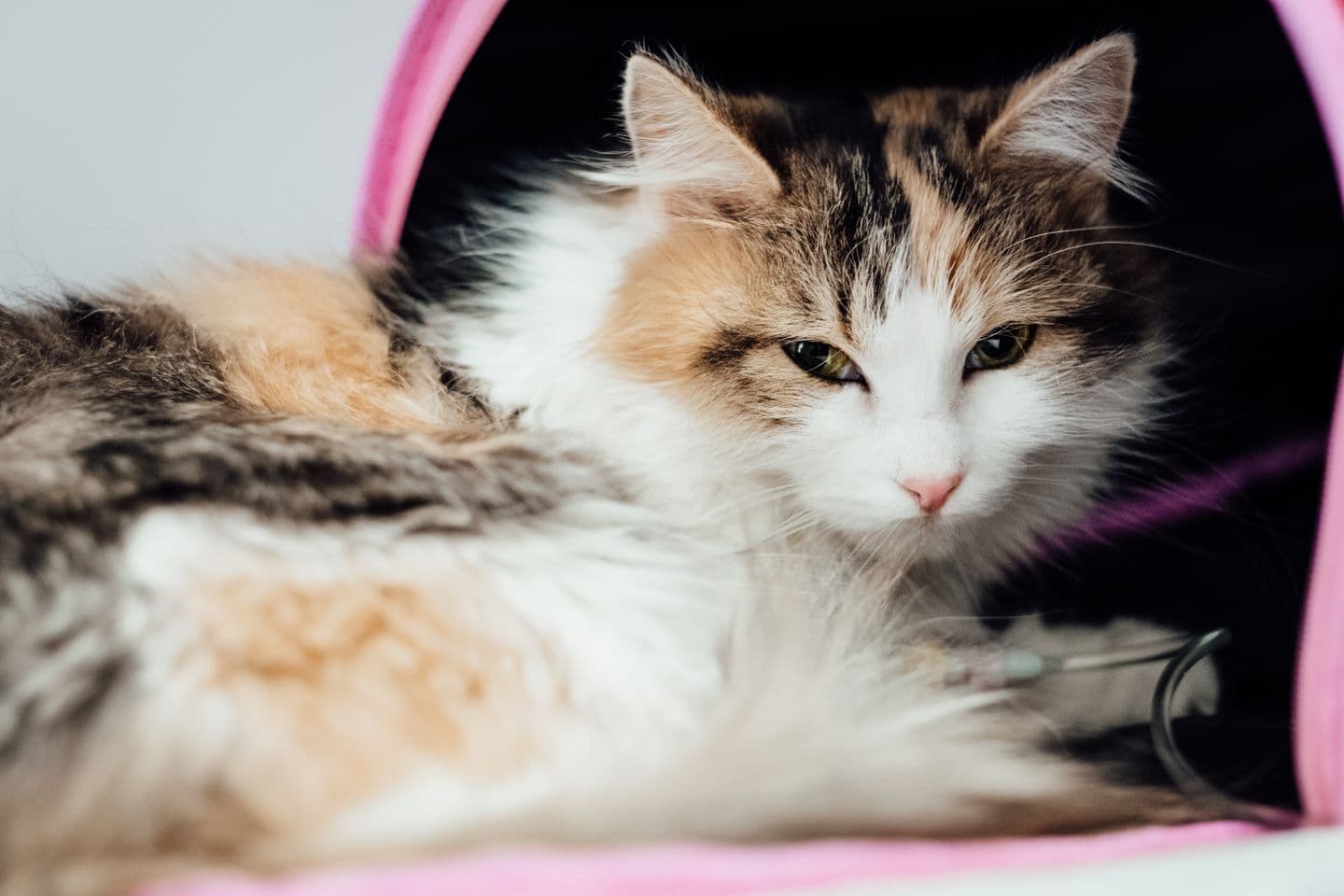
A cat with a wet or dripping nose is dealing with something similar to a human cold in most cases, but a handful of causes need more than rest and time.
A cat with a wet or dripping nose is dealing with something similar to a human cold in most cases, but a handful of causes need more than rest and time.
Most likely cause: upper respiratory infection
Feline upper respiratory infections, caused by viruses such as feline herpesvirus or calicivirus, are extremely common, especially in cats from shelters, breeders, or multi-cat households. These infections tend to bring on sneezing, nasal discharge, watery eyes, and sometimes mild fever, much like a human cold, and often resolve within one to two weeks with supportive care.
Other causes to consider
Allergies to dust, incense smoke, or seasonal pollen, more relevant during India's changing seasons
A foreign object, such as a grass seed or dust particle, lodged in the nasal passage
Dental disease, since infected upper tooth roots sit close to the nasal cavity
Fungal infections, which are less common but do occur, particularly in cats with outdoor access
Polyps or, in older cats, tumours in the nasal passage
Reading the discharge
Clear and watery: often early infection or allergy
Thick, yellow, or green: usually a bacterial component that needs treatment
Blood-tinged: needs a vet visit promptly, regardless of other symptoms
One-sided only: raises suspicion of a foreign object or dental issue rather than a general infection
When to see a vet
A runny nose that lasts beyond a week, comes with laboured breathing, appears only on one side, or is joined by loss of appetite and lethargy warrants an examination. Kittens and senior cats should be seen sooner, since they dehydrate and decline faster than healthy adults.
Almost every calico cat you meet, with that distinctive patchwork of orange, black and white, will be female. This is not folklore, it comes down to genetics, and it is one of the more elegant example
A swollen eye looks alarming, and it should get your attention quickly. The eyelid, the eyeball itself, or the tissue around the eye can all swell for very different reasons, so working out which one
Most cats never need their claws trimmed at all, and clipping can even work against them, since cats rely on their claws for both defence and climbing. As cats age and become less mobile, though, claw