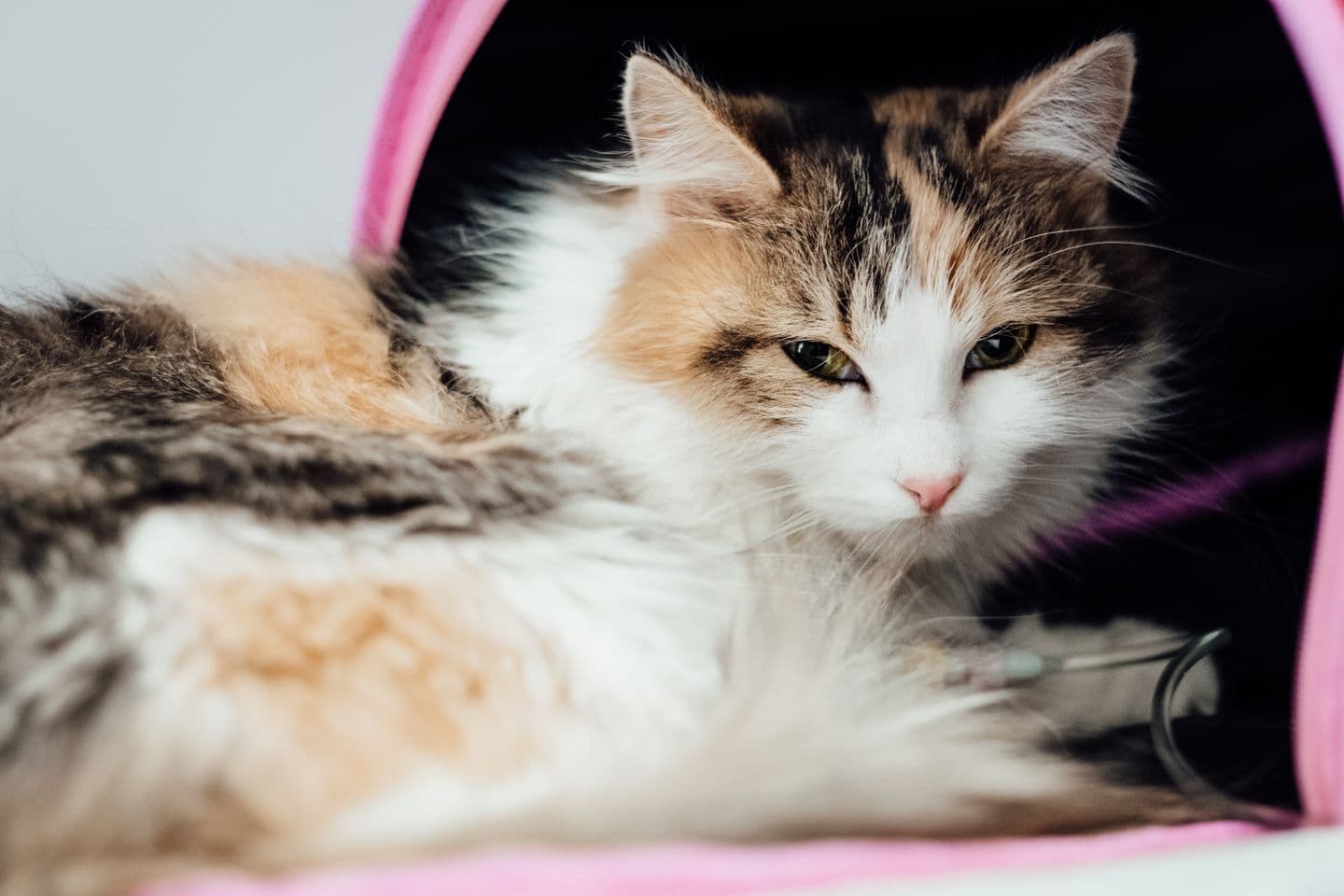
If you own a cat, a certain amount of fur on your clothes and furniture is simply part of the arrangement. But shedding is not constant throughout the year, and understanding the pattern helps you tel
If you own a cat, a certain amount of fur on your clothes and furniture is simply part of the arrangement. But shedding is not constant throughout the year, and understanding the pattern helps you tell normal seasonal shedding apart from something that needs a vet's attention.
When shedding peaks
Most cats shed more heavily twice a year, in spring and autumn, as their coat adjusts to changing daylight and temperature. In India, where many homes run air conditioning through the hottest months, this natural cycle can blur, and some indoor cats shed lightly all year round rather than in two sharp bursts, since their bodies never fully register the seasonal cue.
Factors that affect how much a cat sheds
Breed and coat type, with long haired and double coated cats generally shedding more than short haired ones
Indoor versus outdoor living, since consistent indoor temperatures can flatten the natural shedding cycle
Diet quality, as poor nutrition often shows up first in a dull, excessively shedding coat
Stress, since anxious cats can shed more than usual, sometimes in patches
Age and overall health, with older cats and unwell cats sometimes grooming less effectively, leading to a more matted, heavily shedding coat
When shedding is a cause for concern
Occasional heavy shedding during a seasonal transition is normal. Bald patches, excessive scratching, red or irritated skin, or shedding accompanied by weight loss and lethargy are not, and are worth a vet visit. These can point to allergies, parasites, hormonal issues or stress rather than a simple coat change.
Managing shedding at home
Brush your cat two to three times a week during peak shedding periods, using a comb suited to its coat length
Offer a good quality diet with adequate essential fatty acids, which support healthy skin and coat
Keep your cat well hydrated, particularly in the summer months
Consider a vet check if shedding suddenly increases or the coat looks patchy rather than evenly thinned
Regular brushing is the simplest tool you have. It reduces loose fur around the house, cuts down on hairballs, and gives you a chance to spot skin issues early.
Tags: cat shedding, cat grooming, cat coat health, Indian pet care
Almost every calico cat you meet, with that distinctive patchwork of orange, black and white, will be female. This is not folklore, it comes down to genetics, and it is one of the more elegant example
A swollen eye looks alarming, and it should get your attention quickly. The eyelid, the eyeball itself, or the tissue around the eye can all swell for very different reasons, so working out which one
Most cats never need their claws trimmed at all, and clipping can even work against them, since cats rely on their claws for both defence and climbing. As cats age and become less mobile, though, claw