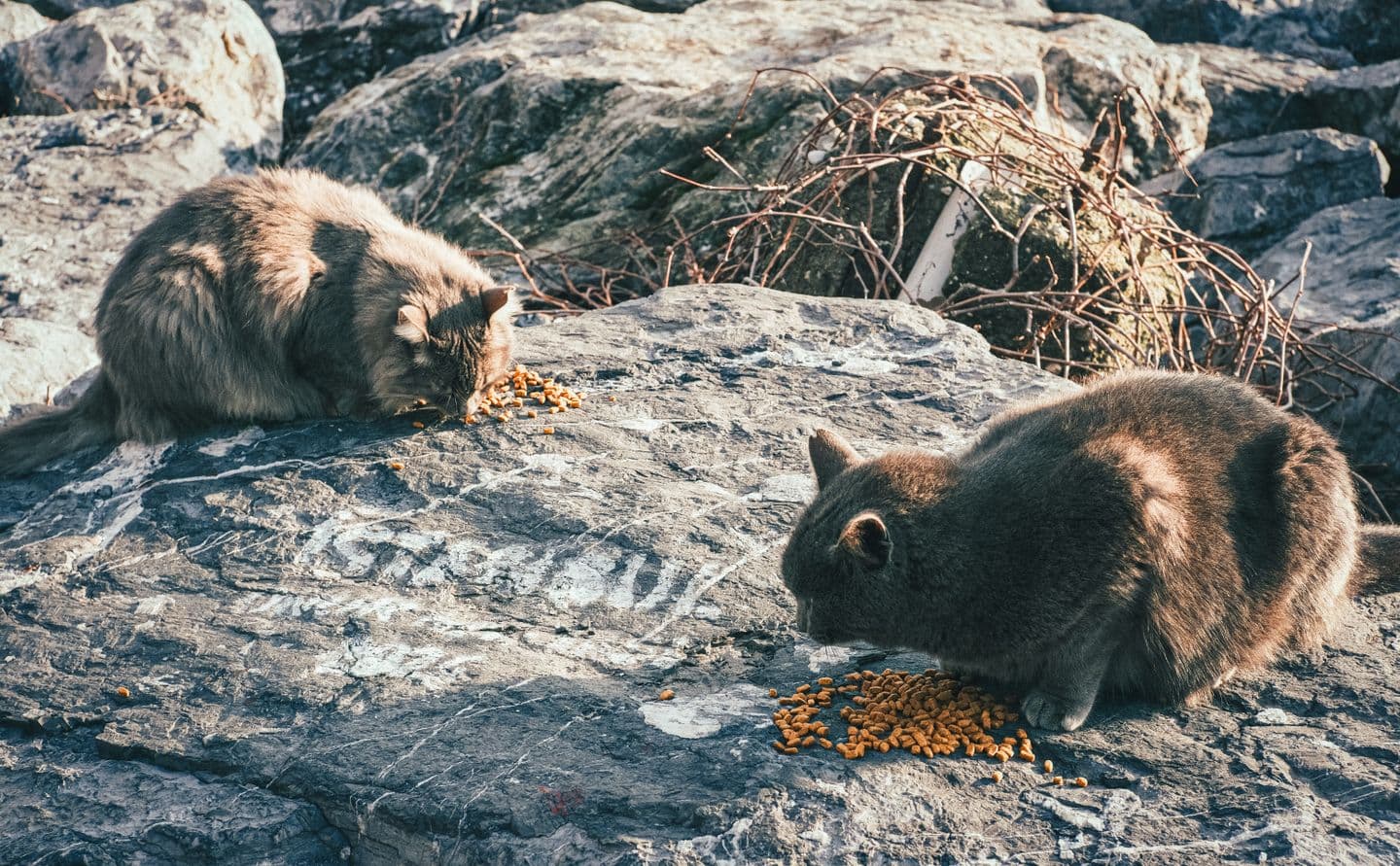
Food does more than sustain us — it's a way we connect with each other, whether that's a family recipe passed down for generations or snacks shared with friends. It's natural to want your cat in on th
Adapted from a Rover.com feature on feline nutrition.
Food does more than sustain us — it's a way we connect with each other, whether that's a family recipe passed down for generations or snacks shared with friends. It's natural to want your cat in on the moment too. But cats have a digestive system built very differently from ours, and while some human foods are harmless or even beneficial for them, others can cause real problems, short-term or long. Here's a practical breakdown.
The short answer
It depends. Cats are obligate carnivores by nature, so the mostly omnivorous human diet doesn't offer them the same nutritional benefits it offers us. In the wild, cats get the bulk of their nutrition from birds, small rodents, and even insects — all sources rich in the essential amino acids their digestive systems are built around.
Cats also have a historically strong sense of smell and can be notoriously picky eaters. Because domesticated cats tend to prefer a consistent routine, introducing new human foods can go either way depending on the individual cat's personality.
Fruits vs. vegetables
Fruits and vegetables are nutritional staples for humans, packed with fibre, vitamins, and minerals — but cats aren't naturally drawn to fruit the way we are, partly because they lack taste receptors for sweetness entirely. If a cat does show interest, it's more likely down to texture than taste.
Most fruit isn't toxic, but too much sugar in a cat's diet over time can contribute to digestive or diabetic issues, so it's best kept to small amounts rather than offered as a meal replacement. A few fruits are worth avoiding altogether, per the ASPCA:
Citrus — the citric acid can cause central nervous system issues at high doses and stomach upset even in smaller amounts
Grapes, raisins, and currants — toxic and a potential choking hazard
Coconut or coconut oil — technically a seed, but worth including here, since it can upset a cat's stomach
Vegetables are a different story. Dr. Gary Richter, DVM and medical director of Montclair Veterinary Hospital in Oakland, California, notes that owners can offer vegetables in food or as treats — not every cat will eat them, but there are genuine nutrients to be had when they're part of a balanced meal. According to the ASPCA, these vegetables are safe:
Zucchini
Celery — many cats enjoy the crunch
Carrots
Green bell peppers
Spinach — rich in vitamins A, C, and K
Peas — often included in packaged pet food for their vitamin content
Pumpkin — commonly used to boost fibre in a cat's diet
Broccoli
Even so, cats remain carnivores first, so these should be used sparingly — replacing full meals with vegetables deprives a cat of nutrients found in properly formulated cat food. As Dr. Richter puts it, the majority of a cat's diet should stay balanced, with treats making up only a small share of daily intake.
Grains and cereals
Given how carnivorous cats are, carbohydrates typically make up only around 10 percent of their diet. Bread, cereal, and similar grain-based snacks are generally non-toxic as long as they're thoroughly cooked, in case a curious cat takes a bite.
As with fruit, though, grains shouldn't replace protein-based meals — they process in a cat's system much like sugar and, over time, can contribute to health issues like diabetes. According to Cornell University's College of Veterinary Medicine, symptoms of feline diabetes include excessive thirst, frequent urination, reduced appetite, difficulty jumping, and vomiting. If your cat's carbohydrate intake seems high, checking food labels is a reasonable first step, and any unusual behaviour after eating carb-heavy food is worth flagging to your vet.
Eggs and dairy
The classic image of a cat lapping up a saucer of milk is more myth than reality — like many humans, most cats are lactose intolerant, and while a small amount of cream or milk won't harm most cats (and many genuinely enjoy it), the enzymes needed to properly break down lactose are largely missing in adult cats.
Eggs, by contrast, are entirely safe as long as they're thoroughly cooked, and are a popular way to add extra protein to a cat's diet — a natural fit, given how central animal protein is to a healthy feline diet.
Meat and protein
Cats are built to eat meat, but not all meats are equal. Lean options like turkey or chicken are good choices, while processed meats such as pepperoni or salami carry a high sodium content that's best avoided. All meat should be thoroughly cooked to prevent food-borne illness — and if you suspect your cat has eaten anything raw or potentially toxic, contact the Pet Poison Helpline or your local animal hospital right away.
At the end of the day, cats generally prefer routine, and their stomachs don't always reward variety. The occasional experiment with a new food is fine, but it shouldn't come at the cost of the essential nutrients a proper cat food provides.
Almost every calico cat you meet, with that distinctive patchwork of orange, black and white, will be female. This is not folklore, it comes down to genetics, and it is one of the more elegant example
A swollen eye looks alarming, and it should get your attention quickly. The eyelid, the eyeball itself, or the tissue around the eye can all swell for very different reasons, so working out which one
Most cats never need their claws trimmed at all, and clipping can even work against them, since cats rely on their claws for both defence and climbing. As cats age and become less mobile, though, claw