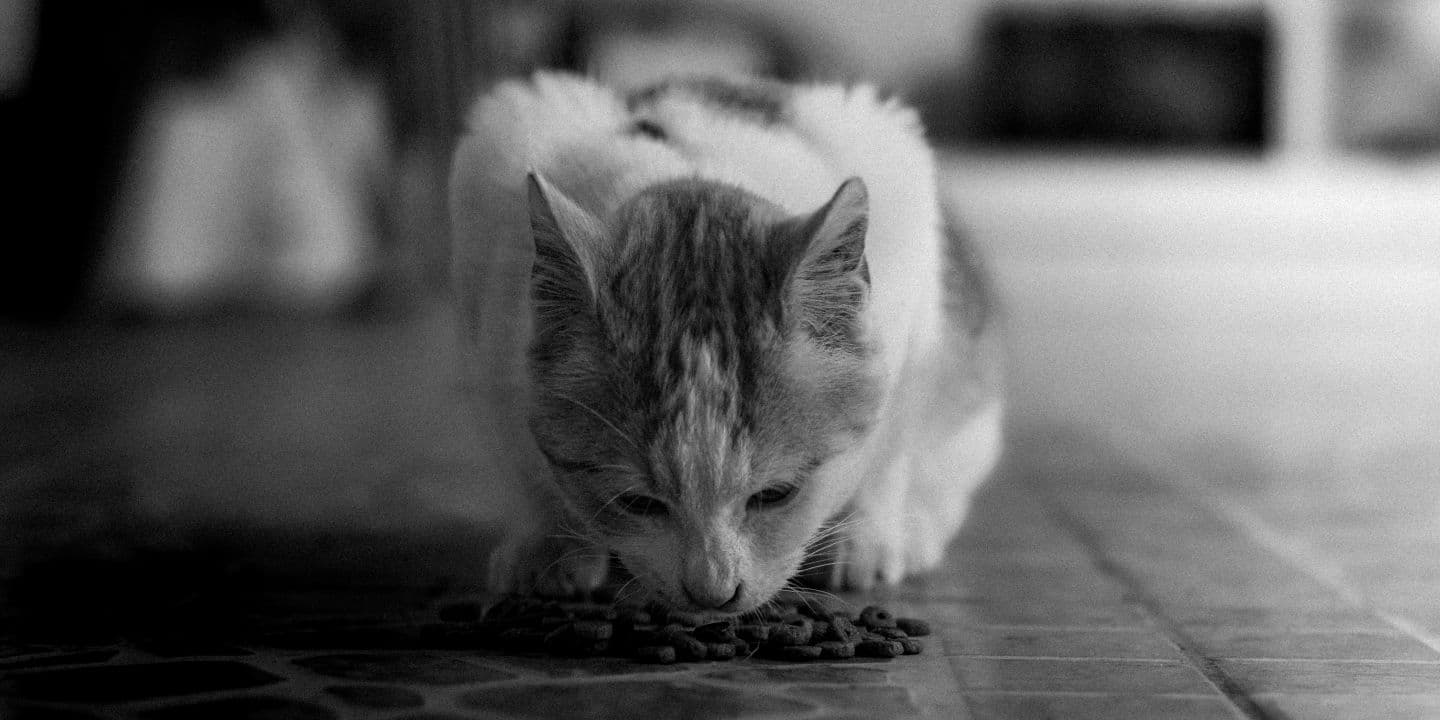
Pet shop shelves and online stores are packed with kitten food options, most claiming to be premium, natural, or vet-recommended. Cutting through the marketing comes down to reading a handful of speci
Pet shop shelves and online stores are packed with kitten food options, most claiming to be premium, natural, or vet-recommended. Cutting through the marketing comes down to reading a handful of specific things on the label rather than trusting the packaging design.
The one line that matters most: the nutritional adequacy statement
Look for wording along the lines of "formulated to meet the nutritional levels established for growth" or "for all life stages." This tells you the food is actually complete and balanced for a kitten's needs, rather than a treat or supplemental food never meant to be a whole diet. A food labelled only for "adult maintenance" is missing the higher protein, fat, calcium and phosphorus levels a growing kitten needs, and should be avoided until your kitten reaches adulthood.
What to check in the ingredient list
A named animal protein, chicken, fish, or lamb rather than a vague "meat by-product" or "animal digest", should appear among the first few ingredients, since ingredients are listed by weight.
Cats are obligate carnivores, so a food leaning heavily on corn, wheat, or soy as its main ingredients is a weaker choice than one built around real animal protein.
Taurine should be present, an essential amino acid cats cannot produce themselves and that is critical for heart and eye health.
Making sense of the guaranteed analysis
Every complete cat food label carries a guaranteed analysis box listing minimum crude protein and fat, and maximum crude fibre and moisture. The regulatory minimums are 30 percent crude protein and 9 percent fat for kitten growth formulas, compared with 26 percent protein for adult maintenance, so a kitten food should sit noticeably higher on protein than the equivalent adult version from the same brand. These are bare minimums rather than ideal targets, and many good kitten foods run well above them.
Why wet food looks lower in protein than it actually is
Wet food often lists a lower protein percentage than dry food on the same label, purely because wet food contains 70 to 80 percent moisture compared with roughly 10 percent in dry kibble, which dilutes every other percentage on the label. Once you account for the water content, a wet food can easily match or exceed a dry food's actual protein delivery. Comparing wet and dry foods directly by their guaranteed analysis numbers alone is misleading unless you adjust for moisture first.
Wet, dry, or both
Wet food supports hydration far better than dry food, given how little water cats naturally drink on their own, while dry kibble offers convenience and a texture some kittens find helps with dental wear. Most vets suggest a mixed approach rather than choosing one exclusively, giving you the benefits of both without depending entirely on either.
Ignore the marketing words
Terms like "premium," "holistic," "natural," and "gourmet" have no regulated meaning and tell you nothing reliable about nutritional quality. Base your decision on the nutritional adequacy statement, the ingredient list, and the guaranteed analysis figures for protein, fat and fibre, not the language on the front of the packet.
Matching food to your kitten's stage
Keep your kitten on a growth-formulated kitten food until around 12 months old, since switching to adult food too early under-delivers the calories and nutrients a growing kitten needs. When you do switch, do it gradually over seven to ten days, mixing in increasing amounts of the new food to avoid digestive upset.
Budget does not have to mean poor quality
Reputable mid-range Indian brands like Drools and Whiskas meet nutritional adequacy standards and are a perfectly reasonable choice, particularly compared with a premium food your kitten refuses to eat consistently. The best food, in practice, is a nutritionally complete one your kitten actually eats every time, not the most expensive bag on the shelf.
When to bring in your vet
If your kitten has a specific health issue, a sensitive stomach, allergies, or slow growth, a vet-recommended or prescription diet may serve them far better than anything picked off a shelf. This is one area where a quick conversation at a routine check-up is worth more than hours spent comparing labels online.
Almost every calico cat you meet, with that distinctive patchwork of orange, black and white, will be female. This is not folklore, it comes down to genetics, and it is one of the more elegant example
A swollen eye looks alarming, and it should get your attention quickly. The eyelid, the eyeball itself, or the tissue around the eye can all swell for very different reasons, so working out which one
Most cats never need their claws trimmed at all, and clipping can even work against them, since cats rely on their claws for both defence and climbing. As cats age and become less mobile, though, claw