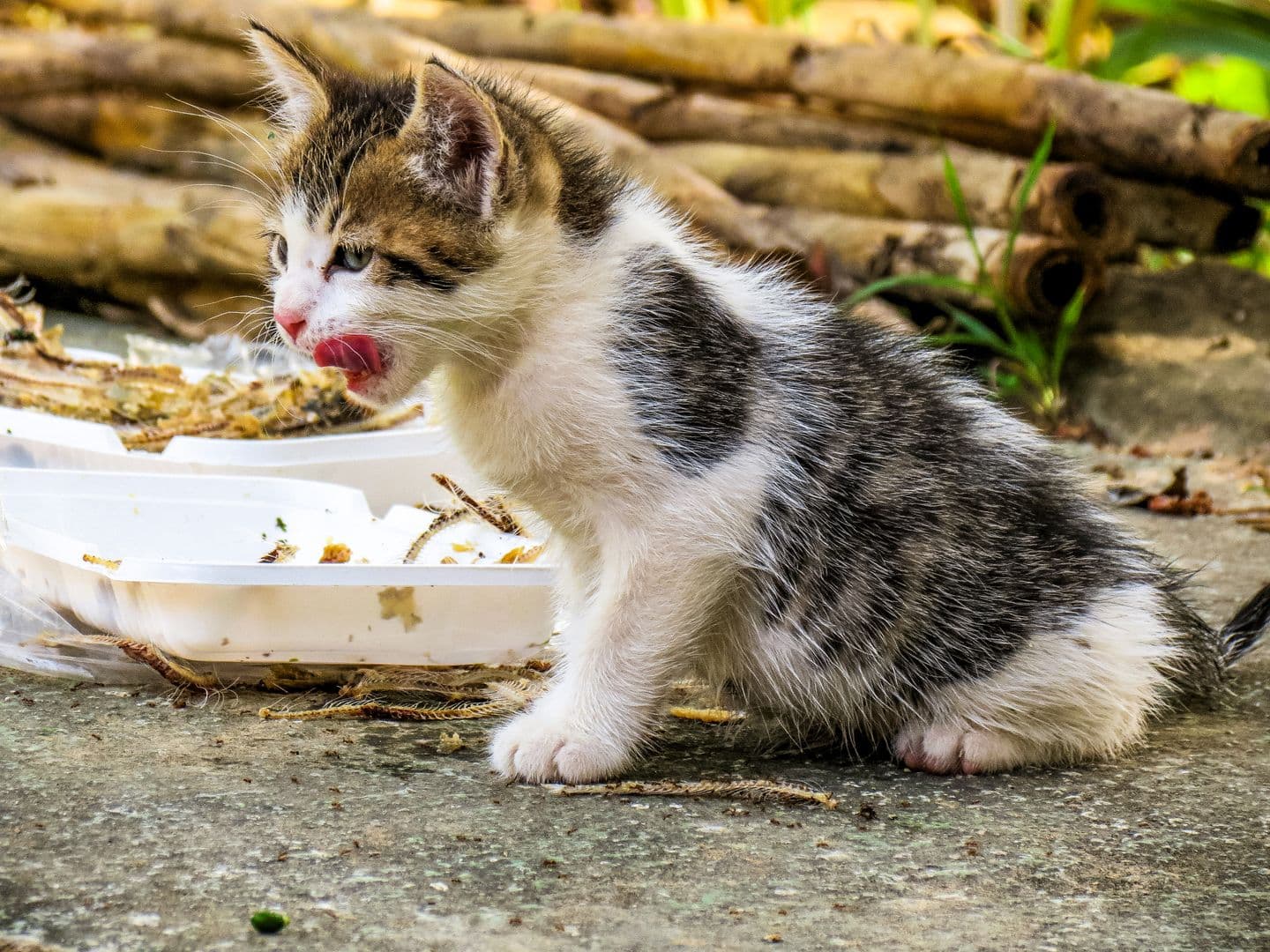
The domestic cat descends from the North African wildcat and remains very close to it in size, shape, behaviour and physiology. Like all cats, it is a true carnivore, adapted to a hunting lifestyle to
The domestic cat descends from the North African wildcat and remains very close to it in size, shape, behaviour and physiology. Like all cats, it is a true carnivore, adapted to a hunting lifestyle to the point of being what is called an obligate carnivore: it cannot thrive, or even survive, without meat in its diet.
This makes sense evolutionarily. A hunting animal never needed the enzymes or metabolic pathways to convert plant nutrients into what it needs, because its prey already supplied everything in ready-made form. The trade-off is that cats have quite specific dietary requirements that do not apply to dogs or humans, which makes getting a properly balanced diet right more of a challenge than owners sometimes expect.
How often should cats eat?
Wild cats are solitary hunters, and because they hunt alone, their prey tends to be small, mostly small mammals. A single mouse contains only around 30 kilocalories, so a wild cat may need to catch and eat roughly ten mice a day to meet its energy needs. Naturally, that means frequent small meals spread across day and night, and feral cats can spend up to 12 of every 24 hours hunting or looking for food.
Most pet cats, by contrast, are fed on a schedule that suits their owner, often two larger meals a day, which is both behaviourally and physiologically unnatural for them. Even cats with food available at all times can end up overeating for reasons unrelated to hunger, discussed below.
Overeating leads to obesity, a genuine health risk for cats. Compounding the problem, most cats eat from a bowl in the same spot every day, requiring no real effort, missing the mental and physical exertion that hunting would naturally provide. That lack of stimulation can contribute to boredom, apathy, anxiety, frustration and stress.
A better approach is to split a cat's daily food into at least five smaller portions spread across 24 hours, ideally using puzzle feeders and timed feeders. Puzzle feeders, which must be manipulated to release food, extend mealtime, increase the physical effort needed to eat, and give cats a genuine mental workout. Veterinary and behavioural experts at International Cat Care have developed a feeding approach known as the 'Five-a-Day Felix' plan, built around feeding little and often, using puzzle feeders, varying feeding locations, and offering food across both day and night, mimicking the natural conditions cats evolved to expect.
Other practical details matter too. Cats generally prefer shallow bowls, so their whiskers do not brush against the sides and they can see their surroundings while eating, and ceramic or glass bowls are better than plastic, which can retain unpleasant odours over time. Stress noticeably reduces appetite and willingness to try new food, which matters particularly for hospitalised cats, where sticking to familiar food is usually more successful than offering something new.
Energy needs and obesity
Several modern factors interfere with a cat's natural ability to regulate its own calorie intake. Highly palatable commercial food encourages overeating, and small bite-sized pieces make it easy to eat quickly, which further promotes overeating. Cats without enough enrichment or outdoor access may focus more on food out of boredom, and competition between multiple cats in a household can drive overeating too. A cat that only has to walk to its bowl burns far fewer calories than one that hunts for its food, tipping the balance toward weight gain. Neutering, while offering real health and welfare benefits, also interferes with a cat's natural calorie regulation, so neutered cats tend to eat more than they strictly need.
Controlling food intake matters, and just as with people, individual cats have different requirements for maintaining a healthy weight. Packaging guidelines are a starting point, but should be adjusted to keep your particular cat in peak condition. For dry food, weighing the daily portion rather than using a scoop is far more accurate, adds barely any time to the routine, and can genuinely add years to a cat's life by preventing weight gain, since dry food is calorie-dense even in small quantities.
Key nutrients
Protein — cats need considerably more protein than dogs or humans, since they rely on it as an energy source, and they also require specific amino acids (taurine, arginine, methionine and cysteine) that are only found in meat; without them, a cat will die.
Fats — a good energy source that also carries fat-soluble vitamins A, D and E, improves palatability, and supplies essential fatty acids that cats can only obtain from animal fat, unlike dogs and humans, who can convert plant-based fats.
Carbohydrates — cats have a limited capacity to digest carbohydrate and get most of their blood sugar from protein breakdown instead, so carbohydrate still has a role but needs careful formulation. Most cats past kittenhood also have low levels of the enzyme needed to digest milk sugar, which is why ordinary milk, especially in quantity, often causes diarrhoea.
Other nutrients — cats need preformed vitamin A, vitamin D and vitamin B3 from animal sources, since they cannot make these from plant precursors, though too much of some can also cause problems.
Meat alone is not enough, either. In the wild, a cat eats the whole carcase, meat, organs and bone, so a diet of meat only, such as freshly cooked chicken, is missing key minerals like calcium and will not support proper bone growth.
Choosing a food
Given how specific feline nutritional needs are, a good-quality commercial food, whether tinned, in sachets, or dry, is generally far more reliable than a home-prepared diet. Look for food labelled 'complete', meaning it meets all of a cat's nutritional needs on its own, and never feed dog food to a cat. Offering variety in flavour and texture is generally good for cats. Both dry and wet foods have real benefits: dry food can support oral health, while wet food's much higher water content helps with hydration, which matters even more for cats with certain medical conditions. A mixed diet of both wet and dry is generally recommended, and research suggests it may also lower the risk of obesity compared with dry food alone.
What makes food appealing to a cat
Texture, smell, taste and temperature all combine to determine whether a cat finds a food appealing. Smell matters enormously given how developed a cat's sense of smell is, and food warmed to around body temperature (about 35°C) tends to be more appealing, closer to what fresh prey would feel like. High protein and fat content generally boosts palatability. Cats can taste salty, sour and bitter, but unlike humans and dogs, they cannot taste sweetness at all, a logical adaptation for an obligate meat-eater.
Individual preference varies a good deal too. Kittens often develop a taste for whatever they see their mother eating, and cats fed one type of food consistently over time can develop a strong preference for it. That said, most cats are naturally curious about new foods and enjoy variety when it is offered.
Feeding kittens
Kittens grow fast and have higher nutritional needs than adult cats. Weaning can typically begin around three to four weeks of age, starting with wet kitten food, or dry kibble thoroughly soaked in water, before transitioning to dry food if preferred as the kitten develops. Weaning is usually complete by around eight weeks.
Almost every calico cat you meet, with that distinctive patchwork of orange, black and white, will be female. This is not folklore, it comes down to genetics, and it is one of the more elegant example
A swollen eye looks alarming, and it should get your attention quickly. The eyelid, the eyeball itself, or the tissue around the eye can all swell for very different reasons, so working out which one
Most cats never need their claws trimmed at all, and clipping can even work against them, since cats rely on their claws for both defence and climbing. As cats age and become less mobile, though, claw