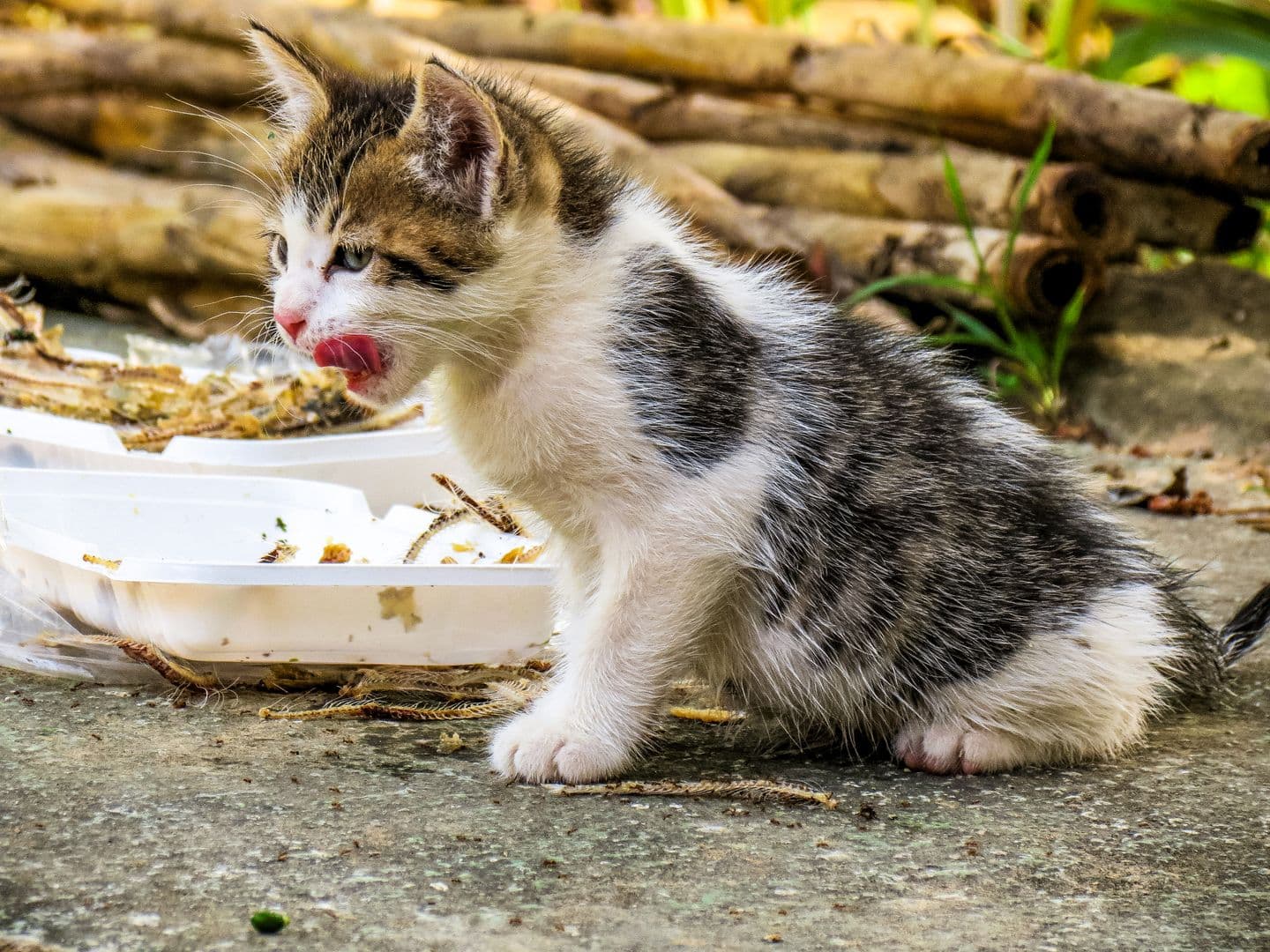
How Much Wet Food Should You Feed Your Kitten Each Day?
Every new kitten parent asks the same question within the first week: am I feeding too little, or am I about to end up with a roly-poly kitten who cannot chase a feather toy without pausing for breath
Every new kitten parent asks the same question within the first week: am I feeding too little, or am I about to end up with a roly-poly kitten who cannot chase a feather toy without pausing for breath? The honest answer is that the right amount depends on age, weight and the specific food you have bought, but there are reliable ranges you can work with while you find your kitten's own rhythm.
Why wet food matters so much for kittens
Cats evolved as desert hunters who got most of their water from prey, not from a bowl. A kitten fed mostly dry kibble often does not make up the difference by drinking more, which leaves them running slightly dehydrated without anyone noticing. Wet food also tends to be easier on a kitten's developing teeth and more appealing to a fussy eater who has just been separated from their mother and littermates.
A rough daily guide by age
4 to 8 weeks: around 150 to 200 grams of wet food a day, split across four small meals. This is also the window in which a kitten is transitioning off milk, so expect messy, gradual progress rather than a clean switch.
8 to 12 weeks: around 200 to 250 grams a day across three to four meals.
3 to 6 months: 250 to 300 grams a day, moving to three meals as appetite and stomach size grow.
6 to 12 months: 200 to 300 grams a day across two to three meals, though this is also when growth starts slowing, so watch the waistline rather than following the number blindly.
These figures assume a fully wet diet. If you are feeding a mix of wet and dry, which most Indian vets recommend for the dental benefits of kibble alongside the hydration of wet food, halve the wet portion and add a measured amount of dry food based on the packet's calorie guide.
A better method than grams: calories
Grams are a useful starting point, but calorie content varies a great deal between brands and even between flavours of the same brand. A kitten under six months needs roughly 50 to 60 calories per pound of body weight each day, dropping to 35 to 40 calories per pound between six and twelve months. Check the kcal per pouch or can on the packaging, work out your kitten's daily target from their weight, and divide that by the number of meals you plan to offer.
What this looks like with Indian brands
Wet kitten food is now easy to find across Indian cities and online, from budget options like Whiskas and Drools pouches to mid-range brands like Me-O and Sheba, up to premium lines like Royal Canin and Farmina N&D. Prices for wet food generally run from about 46 rupees per 100 grams for everyday pouches to over 100 rupees per 100 grams for premium formulas. None of this needs to be expensive to be adequate. A budget pouch that your kitten actually eats every bite of beats a premium can that sits congealing in the bowl.
Signs you have the amount wrong
Ribs and spine easily felt with barely any padding, or a kitten who seems constantly hungry and is not gaining weight week on week, suggests underfeeding.
A round belly that does not match a lean frame, or visible weight gain beyond the expected growth curve, suggests overfeeding.
The single best check is a kitchen scale. Weigh your kitten weekly. A kitten under six months should be putting on roughly 15 to 20 grams a day, or close to 100 grams a week.
If you are ever unsure, an online vet consult or a quick call to your local clinic is worth more than any chart, including this one. Every kitten's metabolism, activity level and breed size are a little different, and a vet who has actually seen your kitten can fine-tune the numbers far better than a general guide.
Handling wet food in Indian heat
Wet food spoils faster in a hot, humid Indian kitchen than the packaging, often designed with cooler climates in mind, suggests. Do not leave a serving out for more than 30 to 45 minutes in warm weather, and refrigerate any opened pouch or can immediately, using it within 24 to 48 hours. Let refrigerated food come closer to room temperature before serving, since most kittens turn their nose up at food straight from the fridge. Always keep a bowl of fresh water down separately, even on a full wet food diet, and wash food and water bowls daily rather than topping them up.
Almost every calico cat you meet, with that distinctive patchwork of orange, black and white, will be female. This is not folklore, it comes down to genetics, and it is one of the more elegant example
A swollen eye looks alarming, and it should get your attention quickly. The eyelid, the eyeball itself, or the tissue around the eye can all swell for very different reasons, so working out which one
Most cats never need their claws trimmed at all, and clipping can even work against them, since cats rely on their claws for both defence and climbing. As cats age and become less mobile, though, claw