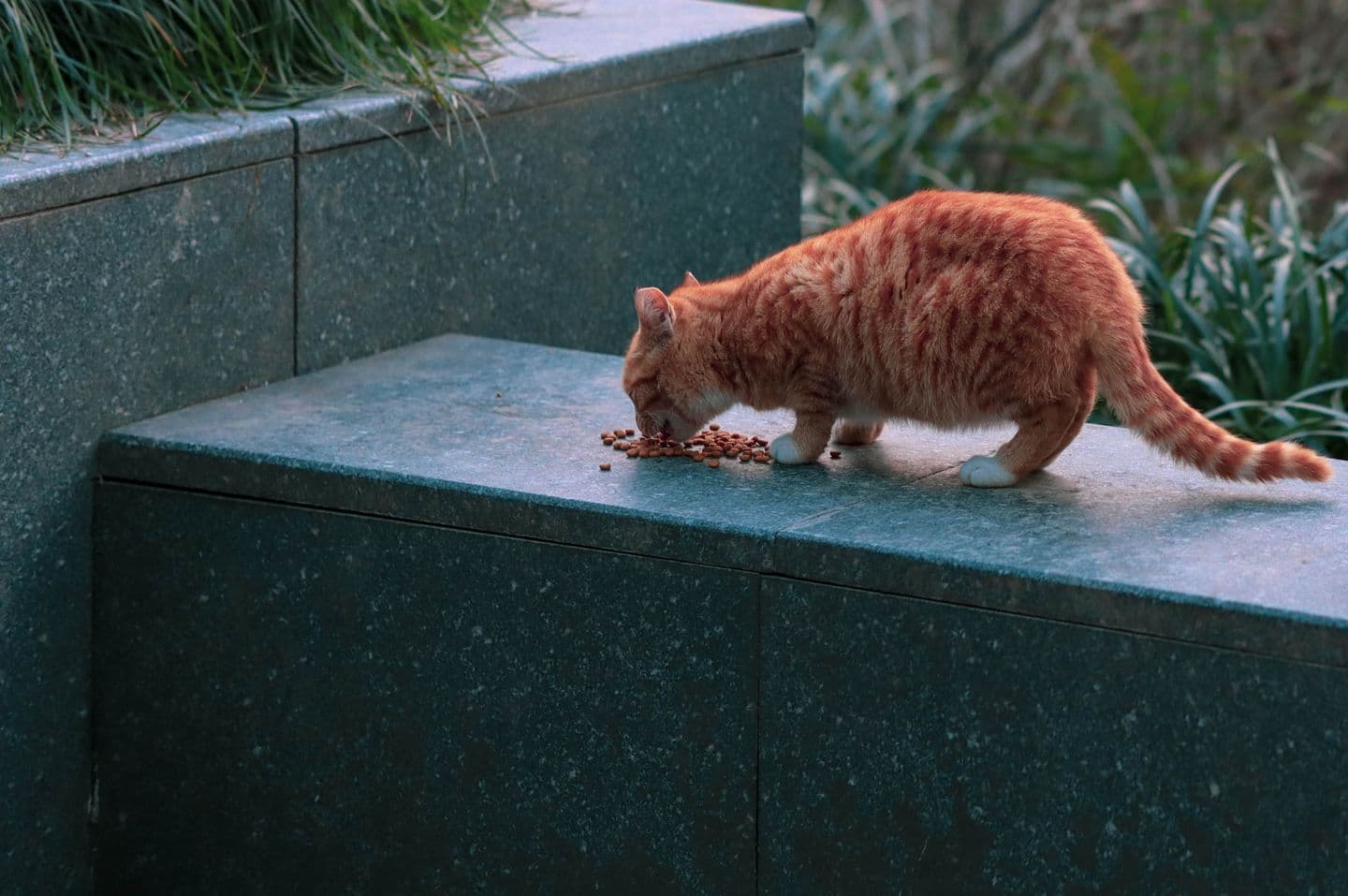
Feeding frequency changes substantially across a cat's life, and getting it right matters for weight management, digestion, and simple day-to-day contentment. Here is how it generally breaks down by a
Feeding frequency changes substantially across a cat's life, and getting it right matters for weight management, digestion, and simple day-to-day contentment. Here is how it generally breaks down by age.
Kittens under 6 months
Small stomachs and high calorie needs mean frequent meals matter here. Feed three to four times a day for kittens under four months, reducing to three times a day from four to six months as stomach capacity grows. Free feeding, leaving dry food out constantly, is sometimes used for very young kittens who are still growing rapidly, but needs to transition to measured meals well before adulthood to avoid establishing overeating habits.
6 months to adulthood
Most cats can move to two meals a day by around six months to a year old, spaced roughly twelve hours apart, which mirrors a cat's natural inclination towards a morning and evening feeding rhythm reasonably well.
Adult cats
Two meals a day is the standard recommendation for most healthy adult cats, though some owners successfully split the same daily amount into three smaller meals, particularly for cats prone to vomiting on a fuller stomach, or for multi-cat households where more frequent, smaller meals reduce competition and guarding behaviour around food.
Should you free-feed dry food
Constant access to dry food works for a minority of cats with naturally good self-regulation, but the majority of cats, much like people, will eat more than they need if food is always available, making free-feeding one of the more common contributors to adult cat obesity. Measured meals at set times give you far more control and a much earlier warning sign, a cat who suddenly stops finishing meals, if something is wrong.
Signs your feeding schedule needs adjusting
A cat who is losing weight or seems constantly hungry between meals may need a schedule shift or portion increase.
A cat gaining weight steadily on the same food and portions needs a recalculation, since needs change with age, activity level, and spay or neuter status.
Vomiting shortly after eating can sometimes be helped simply by splitting the same daily total into more, smaller meals rather than fewer large ones.
A multi-cat household with one cat guarding the food bowl benefits from separate feeding stations and, often, more frequent, smaller meals to reduce the incentive to overeat out of competition.
The right frequency is ultimately less important than the right daily total, worked out from your cat's current weight, body condition and activity level, and ideally confirmed with your vet at a routine check-up rather than left to habit alone.
A timing note around spaying and neutering
A cat's baseline metabolism drops by roughly 30 percent after spaying or neutering, so continuing to feed pre-surgery portions afterwards is one of the more common, avoidable causes of early adult weight gain. Reduce the daily total around the time of surgery rather than waiting until weight gain is already visible, and recheck the amount with your vet at the follow-up visit.
Automatic feeders for busy households
For households with long, fixed working hours, common across Indian cities, a timed automatic feeder can help keep meal spacing consistent even when no one is home to serve a midday meal, particularly useful for kittens who still need three to four feeds a day. Introduce it gradually alongside hand feeding at first, so your kitten learns to associate the feeder's sound with food rather than being startled by it.
Almost every calico cat you meet, with that distinctive patchwork of orange, black and white, will be female. This is not folklore, it comes down to genetics, and it is one of the more elegant example
A swollen eye looks alarming, and it should get your attention quickly. The eyelid, the eyeball itself, or the tissue around the eye can all swell for very different reasons, so working out which one
Most cats never need their claws trimmed at all, and clipping can even work against them, since cats rely on their claws for both defence and climbing. As cats age and become less mobile, though, claw