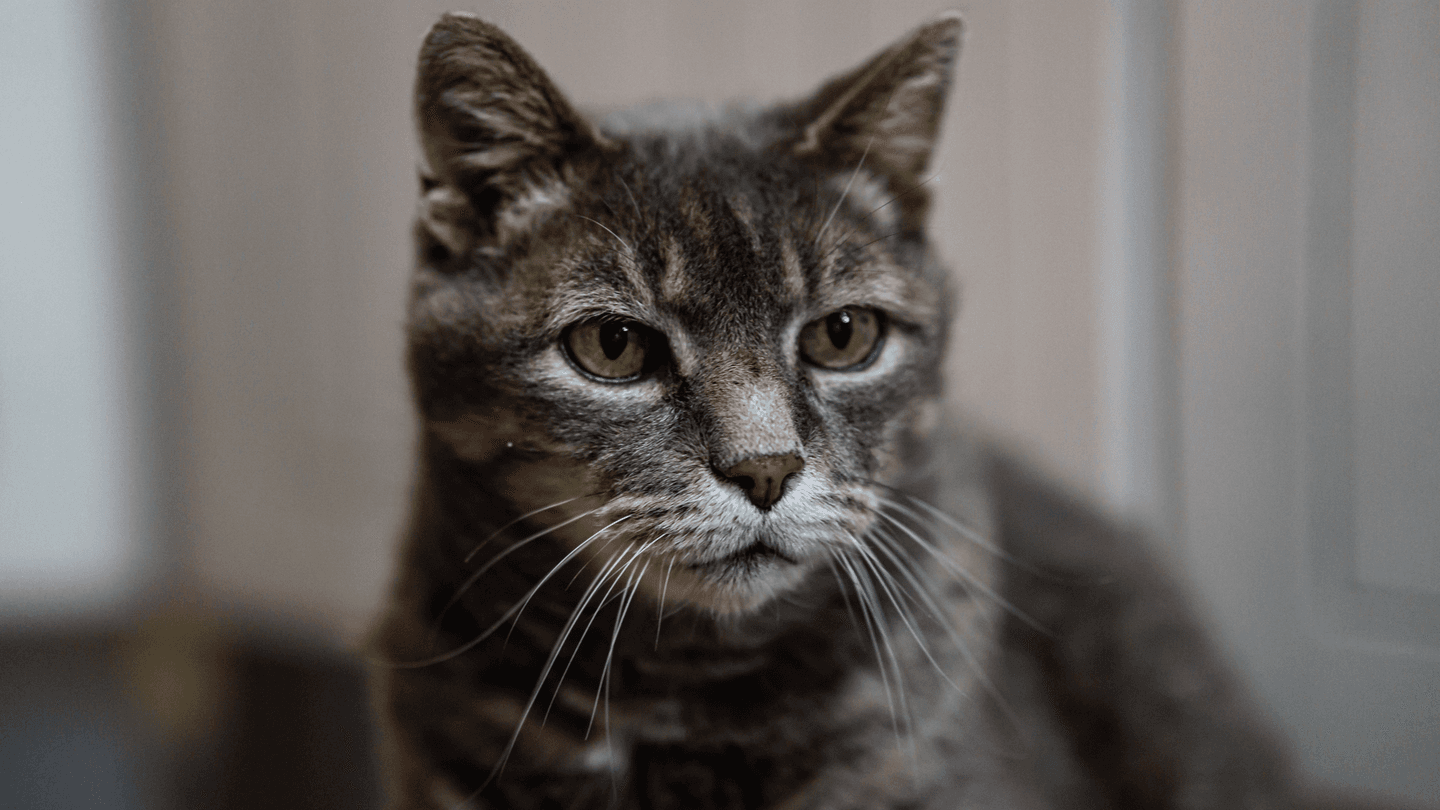
How to Tell Your Cat Is Growing Older (And When a Vet Visit Cannot Wait)
Cats age quietly. There is no grey muzzle moment the way there often is with dogs, and a cat's instinct to hide discomfort means the signs of ageing can slip past even an attentive owner. Most vets co
Cats age quietly. There is no grey muzzle moment the way there often is with dogs, and a cat's instinct to hide discomfort means the signs of ageing can slip past even an attentive owner. Most vets consider a cat a senior from around seven years old, with the official 'senior' tag applied at ten. Indoor cats in India, kept away from traffic, strays and disease, often live well into their late teens. Knowing what normal ageing looks like, and what is not normal, helps you catch problems while they are still manageable.
What Normal Ageing Looks Like
Some changes are simply part of getting older and are not, by themselves, a cause for alarm.
Sleeping longer and more deeply through the day
Slightly reduced interest in vigorous play
A duller, coarser coat that needs more brushing help
Slower, more deliberate movement, especially after resting
A more settled, less exploratory temperament
Signs That Need a Vet's Attention
Other changes are easy to write off as 'just old age' but are actually signals of an underlying condition that can often be treated or managed.
Noticeable weight loss or weight gain over a few weeks
Increased thirst or noticeably fuller water bowls each morning
Reluctance or refusal to jump onto furniture or windowsills
Bad breath, drooling or dropping food while eating
New vocalising, especially yowling at night
Accidents outside the litter box
Increased hiding or a sudden dislike of being handled
Cloudy eyes or bumping into furniture
None of these symptoms confirm a diagnosis on their own. They are common presentations of conditions such as kidney disease, hyperthyroidism, diabetes, arthritis and dental disease, all of which are far more manageable when caught early.
Building a Senior Cat Routine in India
Once your cat crosses seven, it is worth shifting from an annual check-up to one every six months. Many Indian cities now have dedicated feline-friendly clinics that understand cats stress less when handled calmly and without dogs in the waiting room, which is worth seeking out for a senior cat who finds travel and vet visits difficult.
Ask your vet for baseline bloodwork once your cat turns seven, so later results have something to be compared against
Keep food, water and litter box within easy reach, ideally without needing to climb stairs
Watch weight monthly using a simple kitchen scale if your cat tolerates being weighed in a basket
During Indian summers, keep senior cats in the coolest part of the home, since older cats regulate temperature less efficiently
Keep a simple diary of changes in appetite, water intake and litter habits, since these details are easy to forget but useful for your vet
Dental cleanings and other procedures usually need general anaesthesia, which carries more risk for a senior cat. Ask your vet about pre-anaesthetic bloodwork before agreeing to any sedated procedure, so hidden issues with the kidneys, liver or heart are caught beforehand. If your cat is a rescue or was adopted as an adult, a common situation with community cats across India, ask your vet to estimate age from teeth wear and general condition at the first exam, since many adopted cats come without a known birth date.
Growing older is not a disease. With a little extra attention, most senior cats continue to enjoy a good quality of life for years. The goal is simply to notice changes early and let your vet decide what, if anything, needs to be done about them.
Almost every calico cat you meet, with that distinctive patchwork of orange, black and white, will be female. This is not folklore, it comes down to genetics, and it is one of the more elegant example
A swollen eye looks alarming, and it should get your attention quickly. The eyelid, the eyeball itself, or the tissue around the eye can all swell for very different reasons, so working out which one
Most cats never need their claws trimmed at all, and clipping can even work against them, since cats rely on their claws for both defence and climbing. As cats age and become less mobile, though, claw