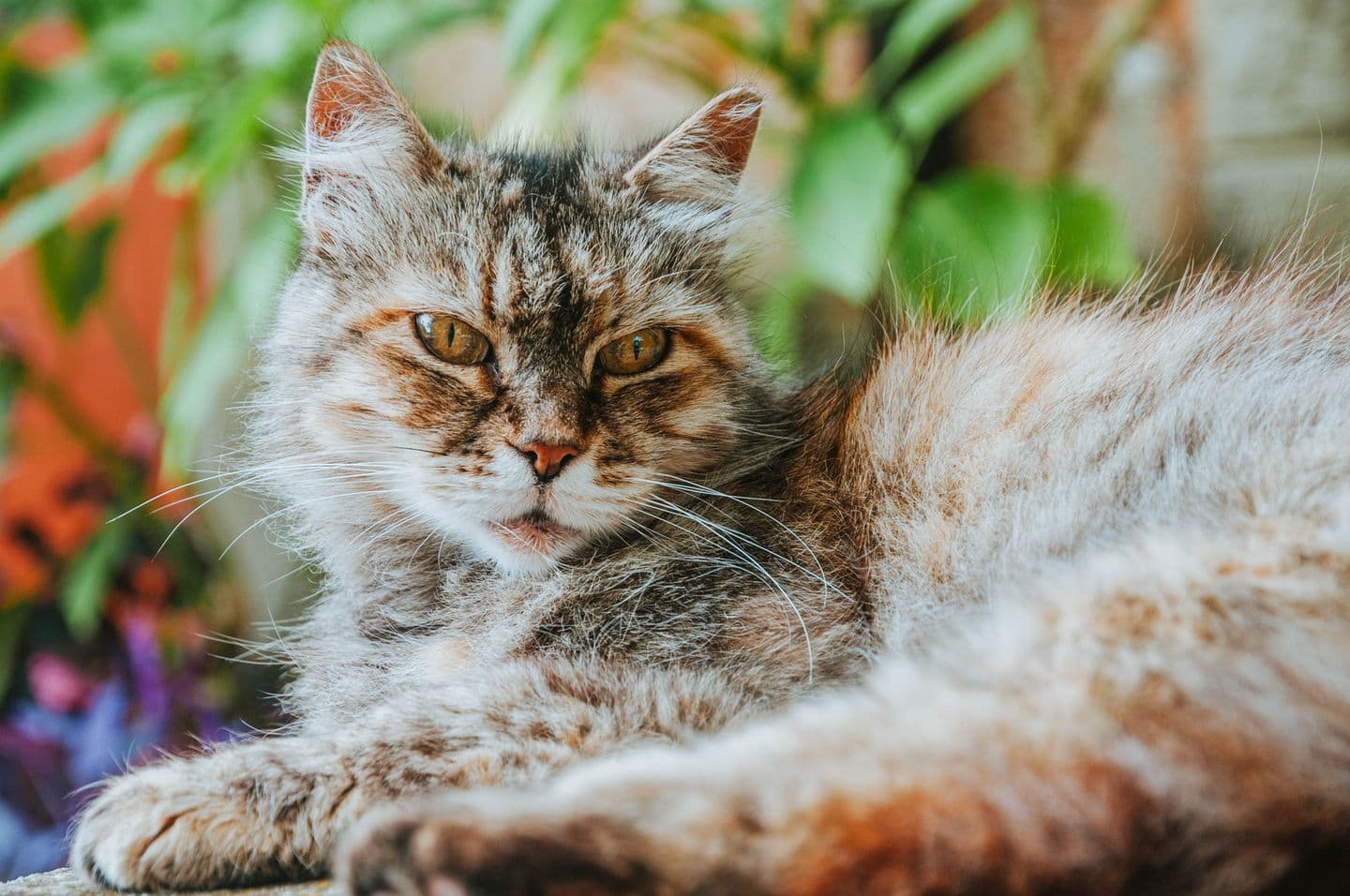
Understanding Feline Cognitive Dysfunction: When Your Senior Cat Seems Confused
Cat dementia is more common than most owners realise. It is thought to affect over a quarter of cats between eleven and fourteen, and around half of cats over fifteen show at least one sign. It is oft
Cat dementia is more common than most owners realise. It is thought to affect over a quarter of cats between eleven and fourteen, and around half of cats over fifteen show at least one sign. It is often mistaken for 'just getting old', which means many cats live with unmanaged symptoms for far longer than necessary.
What Is Feline Cognitive Dysfunction
Feline cognitive dysfunction syndrome, sometimes called cat dementia, is a gradual decline in brain function linked to ageing, broadly similar to Alzheimer's disease in people. It affects memory, awareness, learning and the ability to process everyday surroundings.
Signs to Watch For
Yowling or crying, particularly at night, often for no obvious reason
Appearing lost or disoriented in a home your cat has lived in for years
Staring blankly at walls or into empty space
Accidents outside the litter box despite no change in the box itself
Changes in the sleep and wake cycle, including restlessness through the night
Reduced interest in play, grooming or interaction, or conversely, unusual clinginess
Forgetting familiar routines, such as where food is kept
Why a Vet Visit Comes First
Several conditions that are common in senior cats can look almost identical to cognitive decline, including kidney disease, hyperthyroidism, high blood pressure, arthritis, hearing loss and vision loss. There is no single test for cognitive dysfunction in cats, so vets generally reach a diagnosis by ruling out these other, often treatable, causes first. Night-time crying, for example, is often assumed to be confusion, but can just as easily be a sign of pain from arthritis or discomfort from an overactive thyroid, so do not assume it is dementia without a proper check up.
Making Life Easier at Home
There is no cure for feline cognitive dysfunction, but its impact on quality of life can often be softened considerably with the right environment.
Keep furniture, food bowls, water and litter boxes in the same place. Confused cats rely heavily on a familiar layout
Introduce any necessary change gradually, never all at once
Add a dim night light near the litter box and favourite resting spots, since disorientation is often worse in the dark
Keep a predictable daily routine for feeding, play and bedtime
Gentle, short play sessions and puzzle feeders help keep the mind engaged without overtiring your cat
Feliway diffusers, which release calming pheromones, are available in India and can ease anxiety linked to disorientation
Ask your vet about diets rich in antioxidants and omega fatty acids, which some research links to a slower rate of decline
Cognitive dysfunction is not painful in itself, and with thoughtful management at home, most cats continue to feel safe and loved through this stage of life. Patience matters more than perfection here. A confused cat is not being difficult. Their world has simply become a little harder to make sense of.
Almost every calico cat you meet, with that distinctive patchwork of orange, black and white, will be female. This is not folklore, it comes down to genetics, and it is one of the more elegant example
A swollen eye looks alarming, and it should get your attention quickly. The eyelid, the eyeball itself, or the tissue around the eye can all swell for very different reasons, so working out which one
Most cats never need their claws trimmed at all, and clipping can even work against them, since cats rely on their claws for both defence and climbing. As cats age and become less mobile, though, claw