Bringing Home a Rescue: The Behaviours Every Indian Adopter Should Expect
India's adoption movement has grown well beyond a niche choice. More families in Bengaluru, Mumbai, Delhi and Pune are choosing indies and shelter dogs over buying pedigrees, and rescue groups across
Tags: rescue dog, indie dog, adoption India, dog behaviour, adopt don't shop
India's adoption movement has grown well beyond a niche choice. More families in Bengaluru, Mumbai, Delhi and Pune are choosing indies and shelter dogs over buying pedigrees, and rescue groups across the country report rising interest each year. But a dog who has lived on the street, in a shelter, or through abandonment carries a different starting point than a puppy bought straight from a breeder, and understanding that starting point makes the first few months far smoother.
The decompression period is real, and it is normal
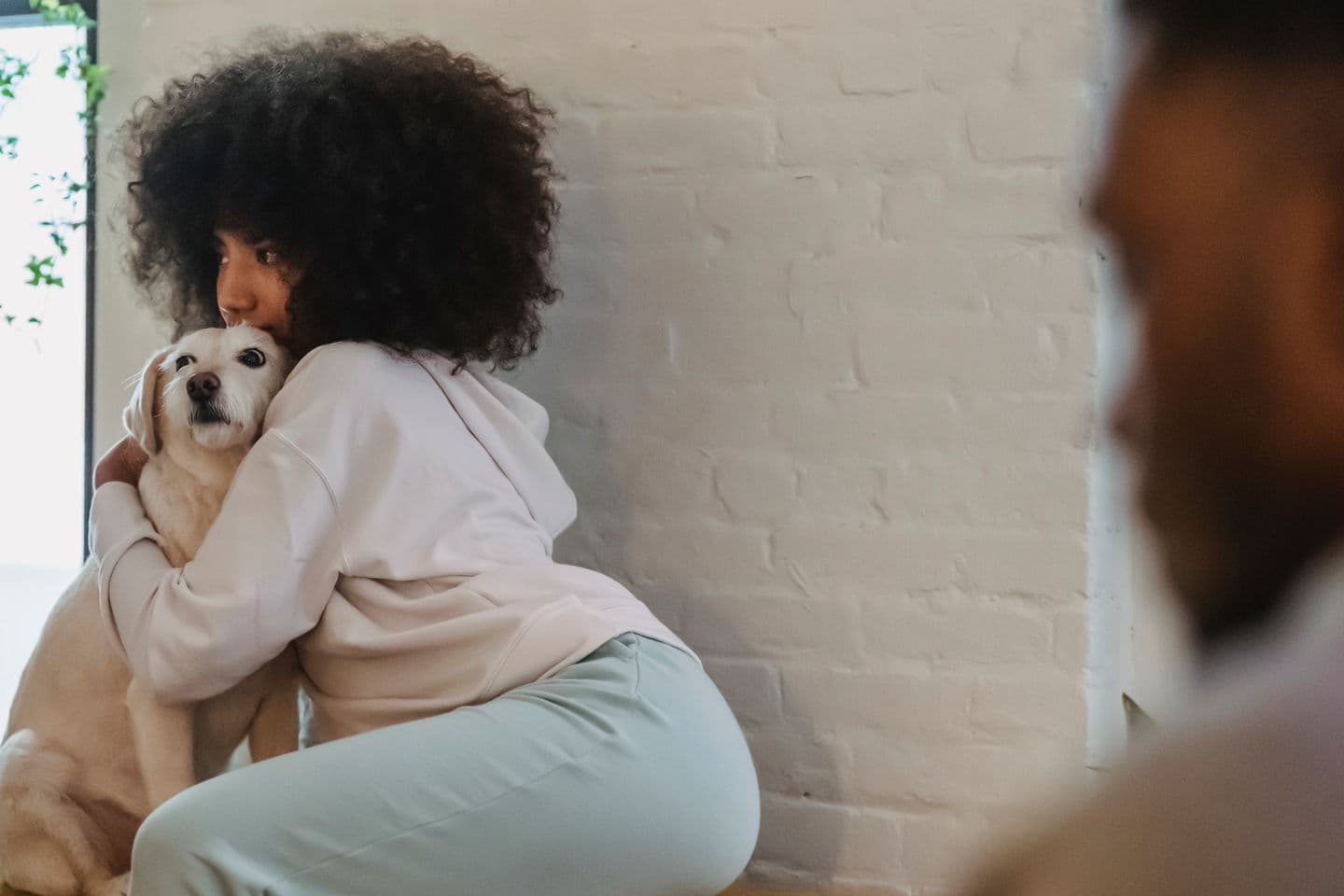
Most rescue dogs go through what shelter workers call a decompression period, typically the first two to four weeks in a new home. A dog who seemed friendly at the shelter may become withdrawn, clingy or unusually quiet once home, simply processing an entirely new environment. This is not a sign that the adoption is not working; it is the dog's nervous system settling.
Behaviours that are common, not alarming
Hiding under furniture or seeking out small, enclosed spaces to feel safe
Eating quickly or guarding food in the first few weeks, a habit built from scarcity
Startling at sudden sounds, particularly during Diwali or wedding season firework noise
Initial wariness of men, uniforms, sticks or raised hands, especially in dogs rescued from abuse
Reluctance to walk on a leash at first, since many street dogs have never worn one
Red flags that need professional help
Growling or snapping that escalates rather than easing over several weeks
Resource guarding that involves biting, rather than simply eating fast or moving away
Extreme, prolonged panic that does not reduce with a calm, predictable routine
Any bite, even a minor one, which should always be discussed with a vet or certified behaviourist rather than dismissed
None of these mean the adoption has failed. They usually mean the dog needs a trainer or behaviourist who works with fear based cases, and India's rescue community, through NGOs and city shelters, can often point new adopters toward one.
Why indies are often easier than expected
The Indian pariah dog, or indie, has a reputation problem it does not deserve. Contrary to the assumption that street dogs are harder to train, indies are typically food motivated, quick learners and highly loyal once trust is built. Several state police forces, including in Uttarakhand and West Bengal, have successfully trained rescued indies for sniffer and tracking work, proof of how trainable the breed genuinely is.
Setting a new rescue up for success
Keep the first two weeks low key, avoiding large gatherings or unfamiliar visitors
Build a predictable routine for feeding, walks and sleep
Use positive reinforcement, never punishment, especially with a dog already carrying some fear
Schedule an early vet visit to screen for tick fever, mange and other conditions common in street dogs
Be patient. Trust with a rescue is built in months, not days
Introducing a rescue to children and existing pets
Many Indian households bring a rescue into a home that already has children, an older dog, or a cat, and the introduction matters as much as the adoption decision itself. Let a new rescue approach children rather than the other way around, and teach kids early to avoid hugging, cornering or approaching the dog while it eats. Introductions to resident pets go more smoothly on neutral ground, such as a park or building compound, rather than inside the home where an existing pet may feel territorial.
What Indian rescue groups wish more adopters knew
Volunteers at shelters across cities such as Mumbai, Pune and Hyderabad often say the biggest predictor of a successful adoption is not the dog's temperament at the shelter but the adopter's willingness to be patient during the first few months. A dog that seems perfectly calm in a controlled shelter visit can behave very differently once home, and that shift is normal rather than a sign the match was wrong. Staying in touch with the rescue group after adoption, rather than treating the process as finished once paperwork is signed, also gives new adopters somewhere to turn when questions come up.
Beyond the familiar Great Dane and Saint Bernard, a number of large, calm breeds carry the same gentle-giant temperament without quite the same name recognition. Most remain genuinely rare in India, b
A once-bouncy dog that suddenly seems flat, uninterested in walks, and withdrawn from the family is unsettling to watch, and the question that naturally follows is whether dogs can actually feel somet
A healthy dog isn't just a contented one; they're more playful, more energetic and more emotionally settled. As their owner, you're the biggest factor in how well your dog thrives, day in and day out.