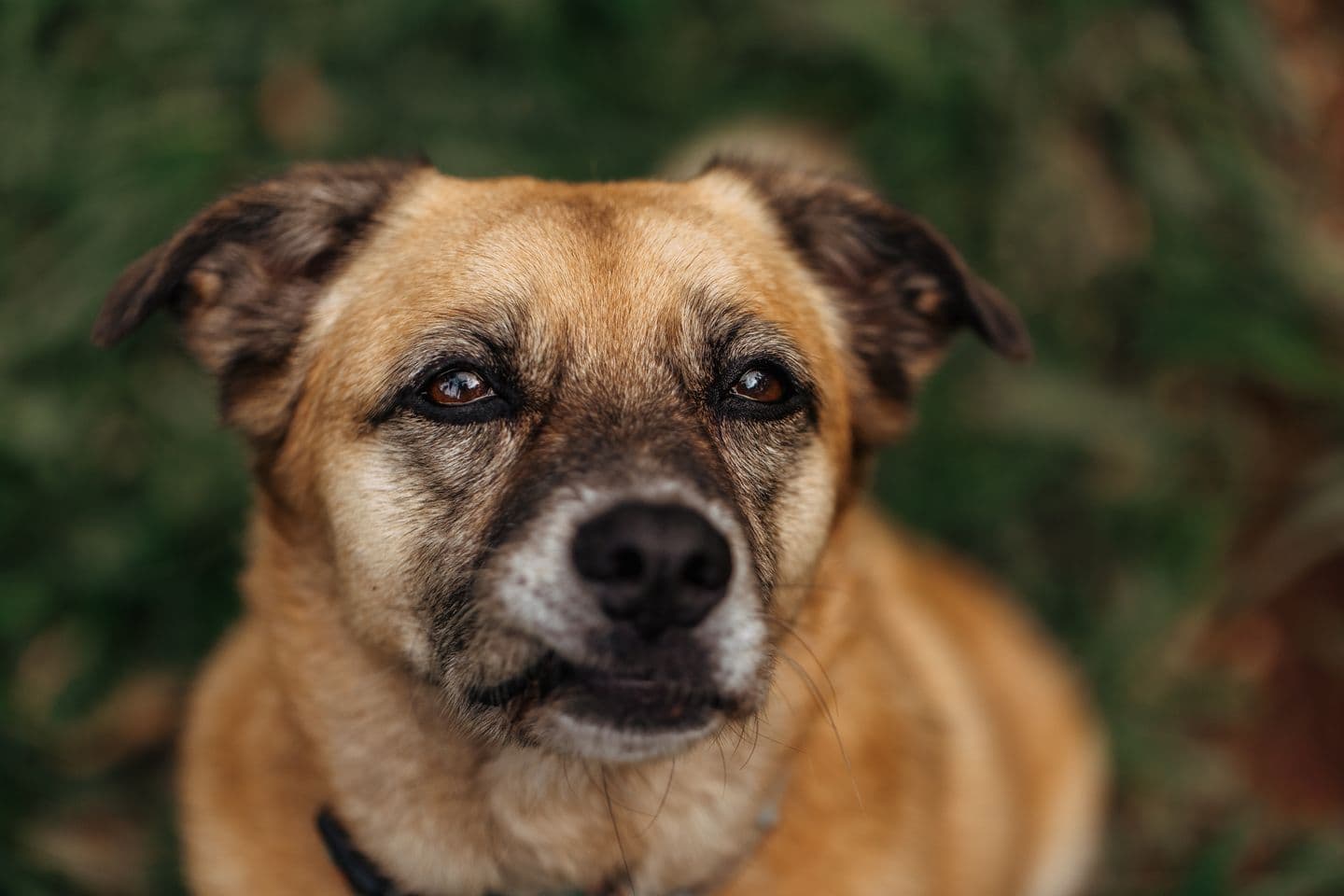
Dogs experience a genuine emotional life, and while veterinary behaviourists are cautious about equating it directly with clinical depression in humans, most agree that dogs can go through a low, with
Dogs experience a genuine emotional life, and while veterinary behaviourists are cautious about equating it directly with clinical depression in humans, most agree that dogs can go through a low, withdrawn state that closely resembles it. Recognising the signs early makes a real difference to how quickly a dog bounces back.
What a low mood tends to look like
Common signs include a noticeable loss of interest in walks, play, or other previously favourite activities, sleeping more than usual, changes in appetite in either direction, increased clinginess or withdrawal from the family, and a generally flat, subdued body language. Some dogs also become newly irritable, have house-training accidents despite being reliably trained, or take up self-soothing behaviours like excessive licking.
What tends to trigger it
The loss of a companion, whether another pet or a person the dog was close to, is one of the most recognised triggers, and a grieving dog may search for the missing companion, eat less, or sleep more for a period afterwards. A significant change in routine, such as an owner returning to long office hours after being home more, moving house, or a new family member arriving, can also bring on a low mood, since dogs rely heavily on predictability and closeness for their sense of security. Chronic pain or an underlying illness is another major cause, and because dogs can't describe how they're feeling, a persistently low mood is sometimes the clearest signal that something physical is wrong.
How to help
A vet visit is the right first step for any dog showing a sudden or unexplained drop in mood, since ruling out pain or illness changes the whole approach that follows. Once medical causes are addressed, keeping a predictable daily routine, feeding, walks, and bedtime at consistent times, helps rebuild a sense of security. Extra one-on-one time, gentle new enrichment such as a food puzzle or a new short walking route, and simply not rushing a grieving dog back into full normal activity all help most dogs recover gradually. If low mood persists for more than a few weeks despite these changes, or if a dog stops eating altogether, a vet can assess whether medication alongside behavioural support would help, in the same way a human might need more than time alone to recover from a difficult period.
Grief between resident pets and community dogs
Households with a pet dog closely bonded to another dog, whether a second pet or a friendly community dog they saw daily on walks, sometimes see a real dip in mood after that companion dies, moves away, or is no longer accessible for some other reason. Allowing a grieving dog to be near the other animal's body briefly, where circumstances allow, is thought by some behaviourists to help a dog process the loss rather than simply notice a sudden, unexplained absence, though this isn't practical or appropriate in every situation. Either way, patience and a stable routine tend to matter more than any single intervention in helping a dog through this period.
Beyond the familiar Great Dane and Saint Bernard, a number of large, calm breeds carry the same gentle-giant temperament without quite the same name recognition. Most remain genuinely rare in India, b
A once-bouncy dog that suddenly seems flat, uninterested in walks, and withdrawn from the family is unsettling to watch, and the question that naturally follows is whether dogs can actually feel somet
A healthy dog isn't just a contented one; they're more playful, more energetic and more emotionally settled. As their owner, you're the biggest factor in how well your dog thrives, day in and day out.