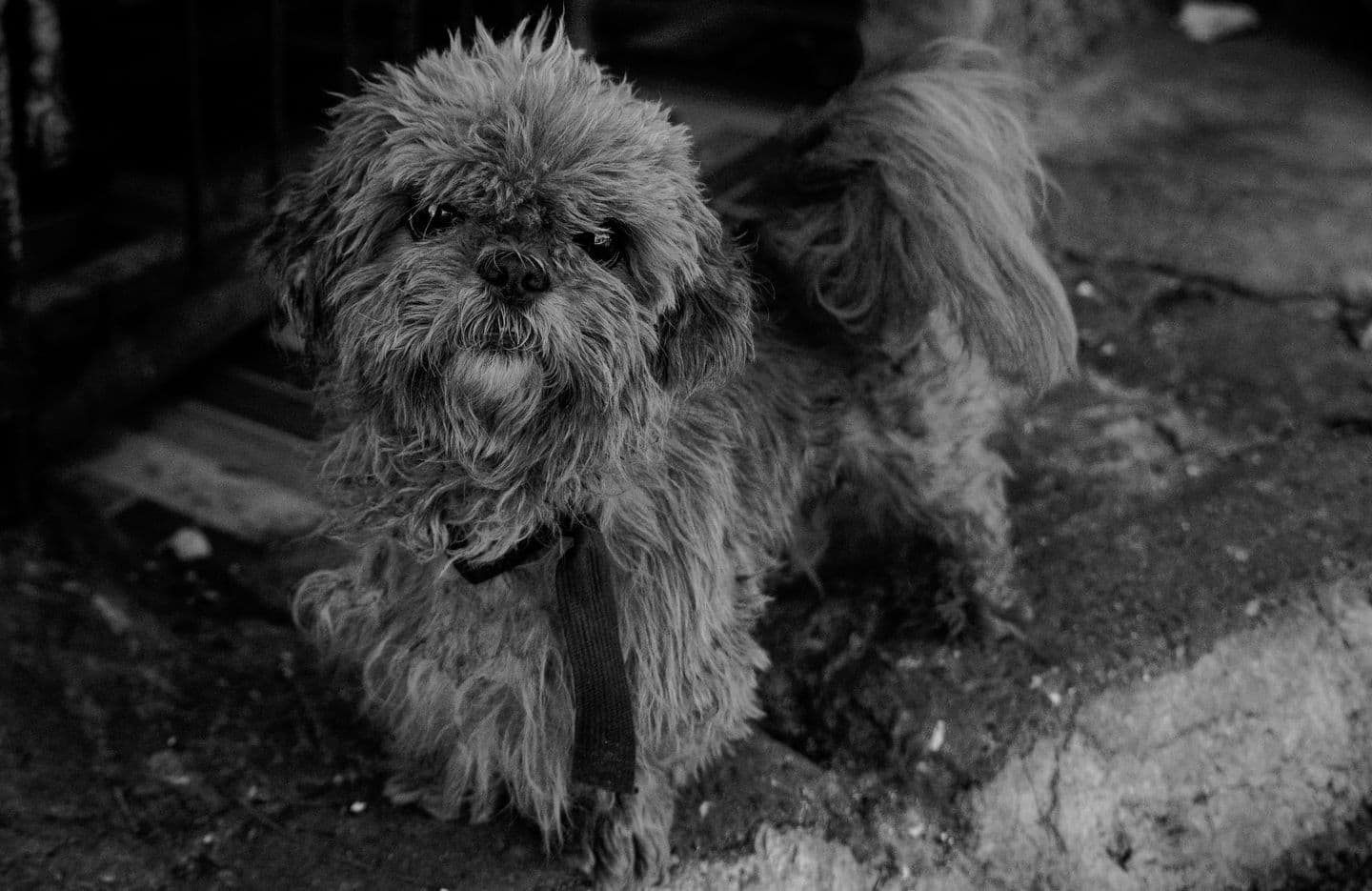
A wagging tail is often assumed to mean a happy dog, but tail language is far more nuanced than a simple on or off switch for friendliness.
Height Matters
A tail held at a relaxed, neutral height, roughly level with the spine, generally signals a comfortable, content dog. A tail held very high can indicate alertness or arousal, while a tail tucked low or between the legs signals fear or submission.
Speed Tells Part of the Story
A slow, gentle wag often accompanies a calm, friendly greeting. A fast, wide wag, especially with the whole rear end moving, is usually pure excitement and joy. A fast, stiff, narrow wag held high is different again, often signalling high arousal that could tip either toward excitement or a defensive reaction.
Direction Can Reveal Emotion Too
Research has found that dogs tend to wag more to the right when experiencing positive emotions and more to the left during negative ones, a subtle asymmetry most owners never notice but that reflects genuine underlying emotional states.
A Wagging Tail Is Not Always a Friendly Invitation
This is one of the most important, and most commonly misunderstood, facts about tail language. A stiff, high, rapid wag on a tense body can precede a defensive reaction just as easily as it can signal excitement. Never approach an unfamiliar dog based on a wagging tail alone.
Reading the Whole Dog
Combine tail position and movement with ear position, body posture, and facial expression for an accurate picture. A loose, wiggling tail on a relaxed body means something entirely different from a stiff, high tail on a tense one, even if both technically qualify as wagging.
Breeds With Naturally Short or Curled Tails
Breeds like Pugs, Corgis, and some Indian Spitz types have naturally short, curled, or unusually shaped tails that are harder to read using height and position alone. With these breeds, lean more heavily on the speed and looseness of the wag, along with overall body language, since the same subtle positional cues simply are not as visible.
Tail Movement During Sleep
A gentle tail twitch or soft wag during sleep, often alongside other small movements, is generally part of a dreaming state rather than a conscious emotional signal, and does not need to be interpreted the same way as tail language during waking hours.
Beyond the familiar Great Dane and Saint Bernard, a number of large, calm breeds carry the same gentle-giant temperament without quite the same name recognition. Most remain genuinely rare in India, b
A once-bouncy dog that suddenly seems flat, uninterested in walks, and withdrawn from the family is unsettling to watch, and the question that naturally follows is whether dogs can actually feel somet
A healthy dog isn't just a contented one; they're more playful, more energetic and more emotionally settled. As their owner, you're the biggest factor in how well your dog thrives, day in and day out.