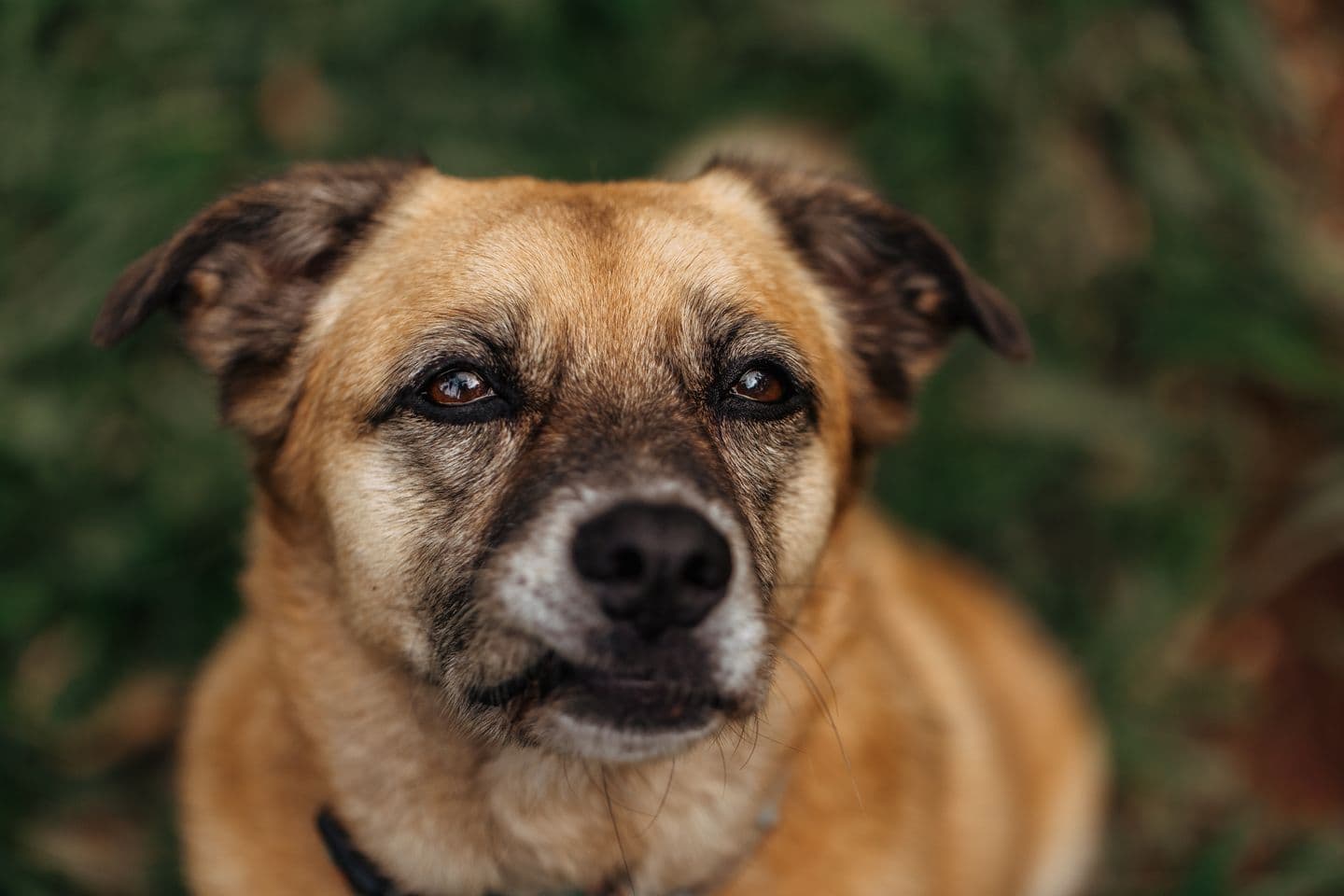
Ear Cropping in Dogs: The Practice, and Why It's Banned in India
Ear cropping, the surgical removal of part of a dog's outer ear to create a permanently upright shape, remains associated with certain breeds in older photographs and some international dog shows. In
Ear cropping, the surgical removal of part of a dog's outer ear to create a permanently upright shape, remains associated with certain breeds in older photographs and some international dog shows. In India, the practice is banned, and understanding why matters for any pet parent considering it, or wondering about a dog they have seen with cropped ears.
What the procedure actually involves
Ear cropping is typically performed on puppies between roughly seven and twelve weeks of age, involving surgical removal of a portion of the ear flap, followed by weeks of taping and posting the remaining ear to force it into an upright position as it heals. The procedure carries real pain, recovery discomfort and risk of infection, entirely for cosmetic appearance rather than any medical necessity.
The legal position in India
Ear cropping and tail docking have been prohibited in India since 2011, when the Veterinary Council of India issued an advisory declaring both procedures a form of cruelty under the Prevention of Cruelty to Animals Act, 1960. This position was reinforced through the Prevention of Cruelty to Animals (Dog Breeding and Marketing) Rules, 2017 and the Prevention of Cruelty to Animals (Pet Shop) Rules, 2018, and confirmed by the Madras High Court. Performing these procedures without a genuine medical reason is not permitted under Indian law.
Why the ban exists
Ears serve a real functional purpose for dogs, aiding hearing, balance and communication through ear position and movement, cropping alters or reduces some of this natural function. Beyond the pain of the procedure itself, the extended recovery period involving taping and repositioning causes ongoing discomfort. The Animal Welfare Board of India, along with veterinary bodies, has been explicit that the procedure serves no medical benefit and exists purely to alter appearance according to breed standards developed elsewhere.
What to do if you see a dog with cropped ears
Some dogs in India, particularly certain imported or older animals, may still show signs of cropping done before the ban or performed illegally. If you are considering a breed traditionally associated with cropped ears, know that the naturally shaped, uncropped ear is both the legal and the kinder standard in India, and increasingly the international one too, with the practice similarly banned or restricted across much of Europe, Australia and other regions.
What responsible breed standard bodies now say
International attitudes have shifted alongside the legal changes. Major kennel clubs and breed standard organisations in several countries have moved toward accepting natural, uncropped ears as the standard presentation for breeds historically shown with cropped ears, reflecting a broader shift in how the show and breeding world weighs appearance against welfare. For anyone considering one of these breeds in India, this means the naturally eared dog is not a compromise or a departure from tradition, it is increasingly the accepted, and always the legally required, standard.
Yoast SEO Metadata
Tags: ear cropping dogs, dog cruelty laws India, Prevention of Cruelty to Animals
Beyond the familiar Great Dane and Saint Bernard, a number of large, calm breeds carry the same gentle-giant temperament without quite the same name recognition. Most remain genuinely rare in India, b
A once-bouncy dog that suddenly seems flat, uninterested in walks, and withdrawn from the family is unsettling to watch, and the question that naturally follows is whether dogs can actually feel somet
A healthy dog isn't just a contented one; they're more playful, more energetic and more emotionally settled. As their owner, you're the biggest factor in how well your dog thrives, day in and day out.