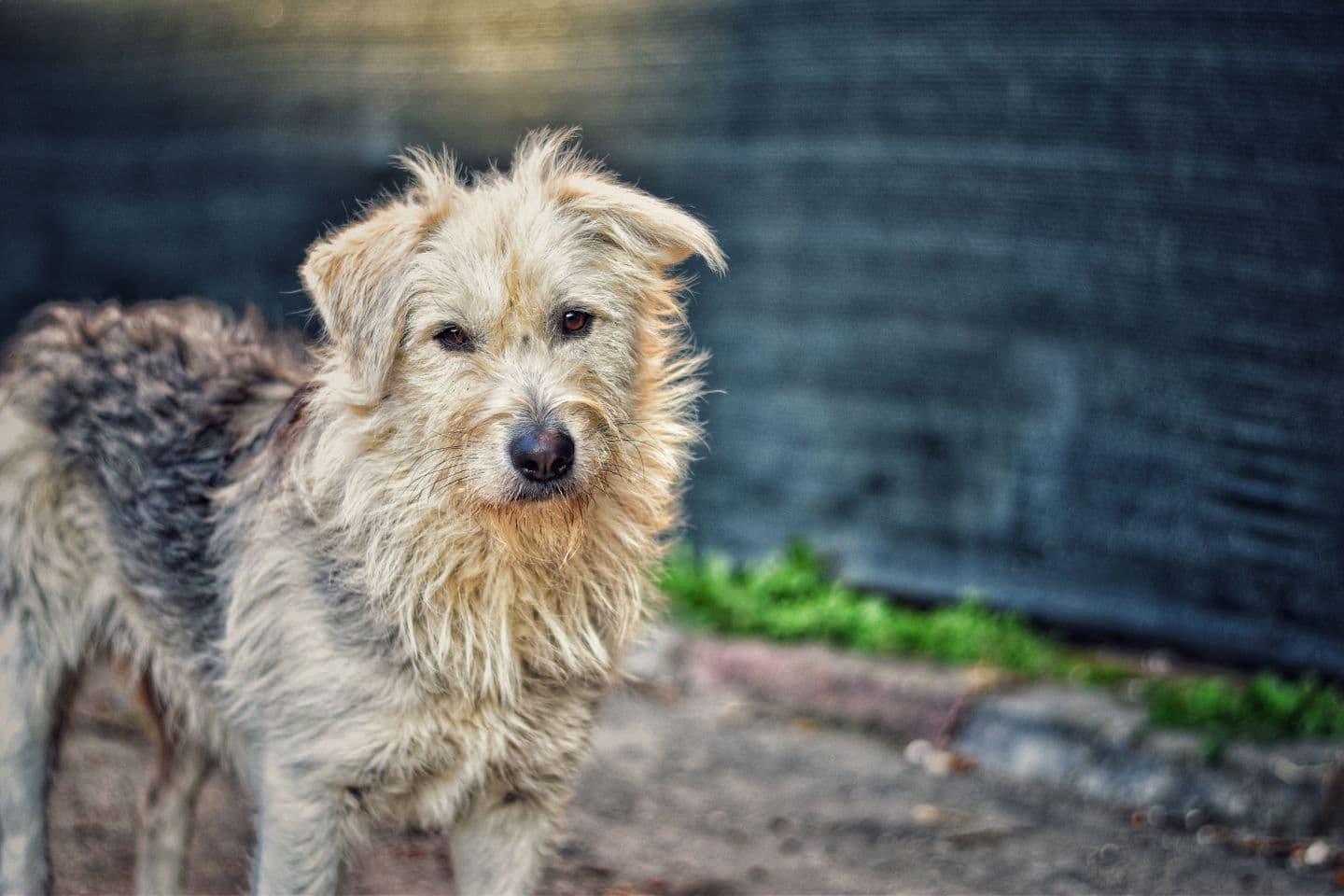
Many owners panic when they see their dog eating grass, assuming the dog is ill and trying to induce vomiting. While some dogs do vomit after eating grass, studies suggest the majority do not. Grass-e
Many owners panic when they see their dog eating grass, assuming the dog is ill and trying to induce vomiting. While some dogs do vomit after eating grass, studies suggest the majority do not. Grass-eating is a normal, instinctual behaviour seen in wild canids as well.
Why they do it:
Supplementing fibre in their diet
Soothing minor gastrointestinal discomfort
The texture and taste appeal to them — especially fresh, young grass
Instinctual gut cleansing (helping to physically sweep intestinal parasites in wild environments)
When to act: Only if the grass-eating is excessive, compulsive, or consistently followed by vomiting. Otherwise, it's generally harmless.
Beyond the familiar Great Dane and Saint Bernard, a number of large, calm breeds carry the same gentle-giant temperament without quite the same name recognition. Most remain genuinely rare in India, b
A once-bouncy dog that suddenly seems flat, uninterested in walks, and withdrawn from the family is unsettling to watch, and the question that naturally follows is whether dogs can actually feel somet
A healthy dog isn't just a contented one; they're more playful, more energetic and more emotionally settled. As their owner, you're the biggest factor in how well your dog thrives, day in and day out.