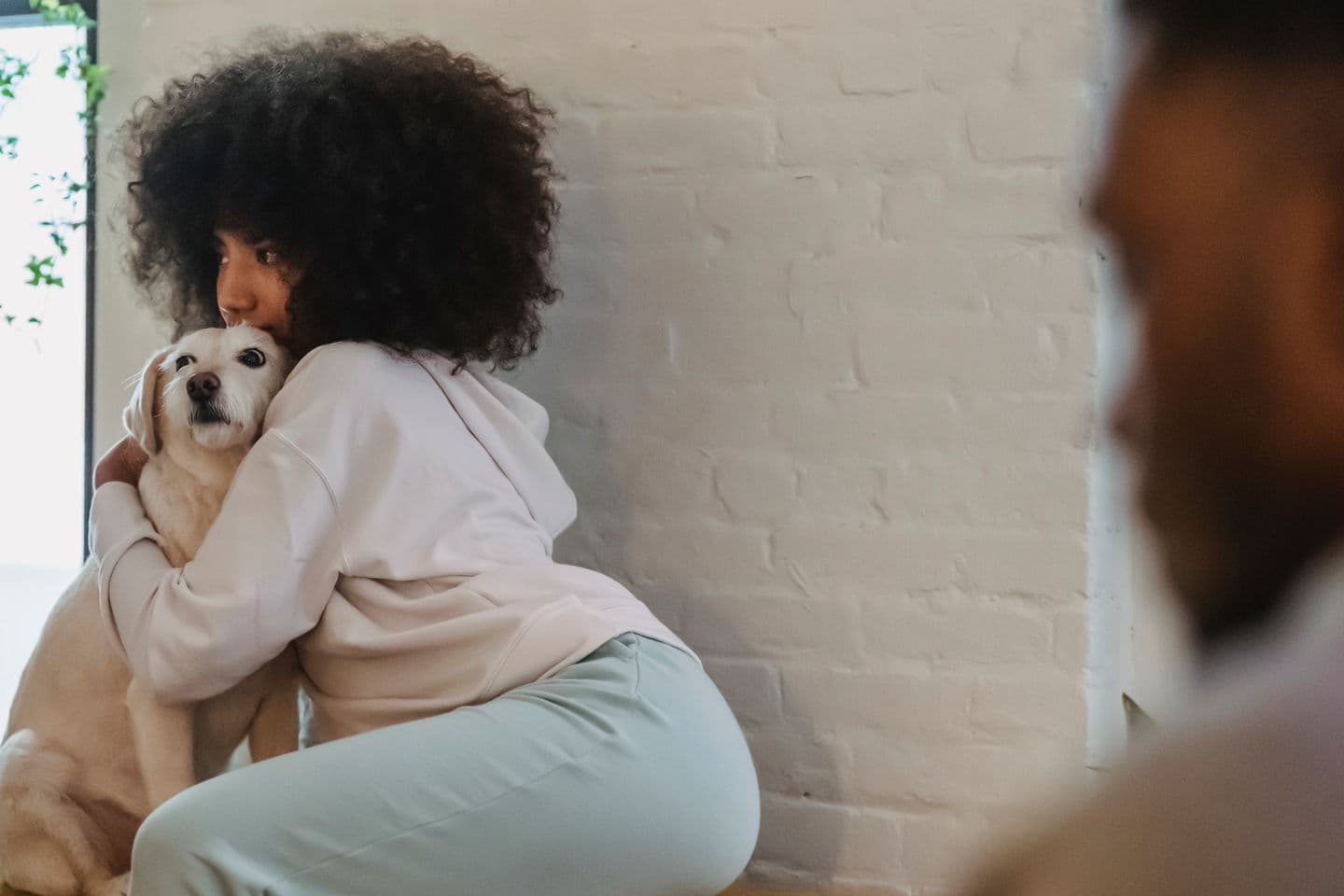
A dog that stiffens, retreats, or growls around children is showing genuine fear, and it deserves careful, patient handling rather than being pushed to just get used to it. Given how often dogs and ch
A dog that stiffens, retreats, or growls around children is showing genuine fear, and it deserves careful, patient handling rather than being pushed to just get used to it. Given how often dogs and children share a home in India, whether the dog's own family or visiting relatives, this is a particularly practical fear to work through properly.
Why children specifically can be frightening
Children move unpredictably, make sudden high-pitched sounds, and are often at a dog's eye level in a way most adults aren't, all of which can feel genuinely alarming to a dog with limited past exposure to children. A dog that missed out on meeting children during the key puppyhood socialisation period, or one that had a single rough or startling encounter, such as having their tail pulled or being cornered, can generalise that fear to children as a whole.
A careful desensitisation process
Start at a distance where the dog can see children without reacting, in a park or from a window, and pair each calm sighting with a high-value treat. Progress only when the dog stays relaxed at the current distance, gradually decreasing the gap over many sessions rather than days. Never force an interaction or hold a dog still while a child approaches; let the dog choose whether and when to get closer, since forcing contact is one of the more common ways this fear turns into a bite.
Managing real-world encounters safely
At home, a dedicated child-free retreat, a crate or a gated room, gives a fearful dog somewhere to decompress, and visiting children should be taught to ignore the dog entirely at first rather than approaching or reaching for it. On walks, crossing the street or creating distance when children approach removes pressure while training continues in more controlled settings. Any dog showing intense fear or growling around children, and especially any dog that has already snapped, needs a certified trainer or veterinary behaviourist involved rather than being managed through trial and error, since the stakes around child safety are simply too high to guess.
Preparing a fearful dog before a family visit
Festival seasons and school holidays in India often bring a sudden wave of visiting nieces, nephews, or cousins into a home all at once, which can overwhelm a dog still building confidence around children. Ahead of a planned visit, it helps to remind visiting family of the dog's safe space and the house rule of letting the dog approach rather than being approached, and to plan the child-free retreat as a default rather than a last resort once the house gets busy. A short, calm introduction with just one child at a time, rather than a crowd arriving all together, gives a fearful dog a much better chance of coping well.
Beyond the familiar Great Dane and Saint Bernard, a number of large, calm breeds carry the same gentle-giant temperament without quite the same name recognition. Most remain genuinely rare in India, b
A once-bouncy dog that suddenly seems flat, uninterested in walks, and withdrawn from the family is unsettling to watch, and the question that naturally follows is whether dogs can actually feel somet
A healthy dog isn't just a contented one; they're more playful, more energetic and more emotionally settled. As their owner, you're the biggest factor in how well your dog thrives, day in and day out.