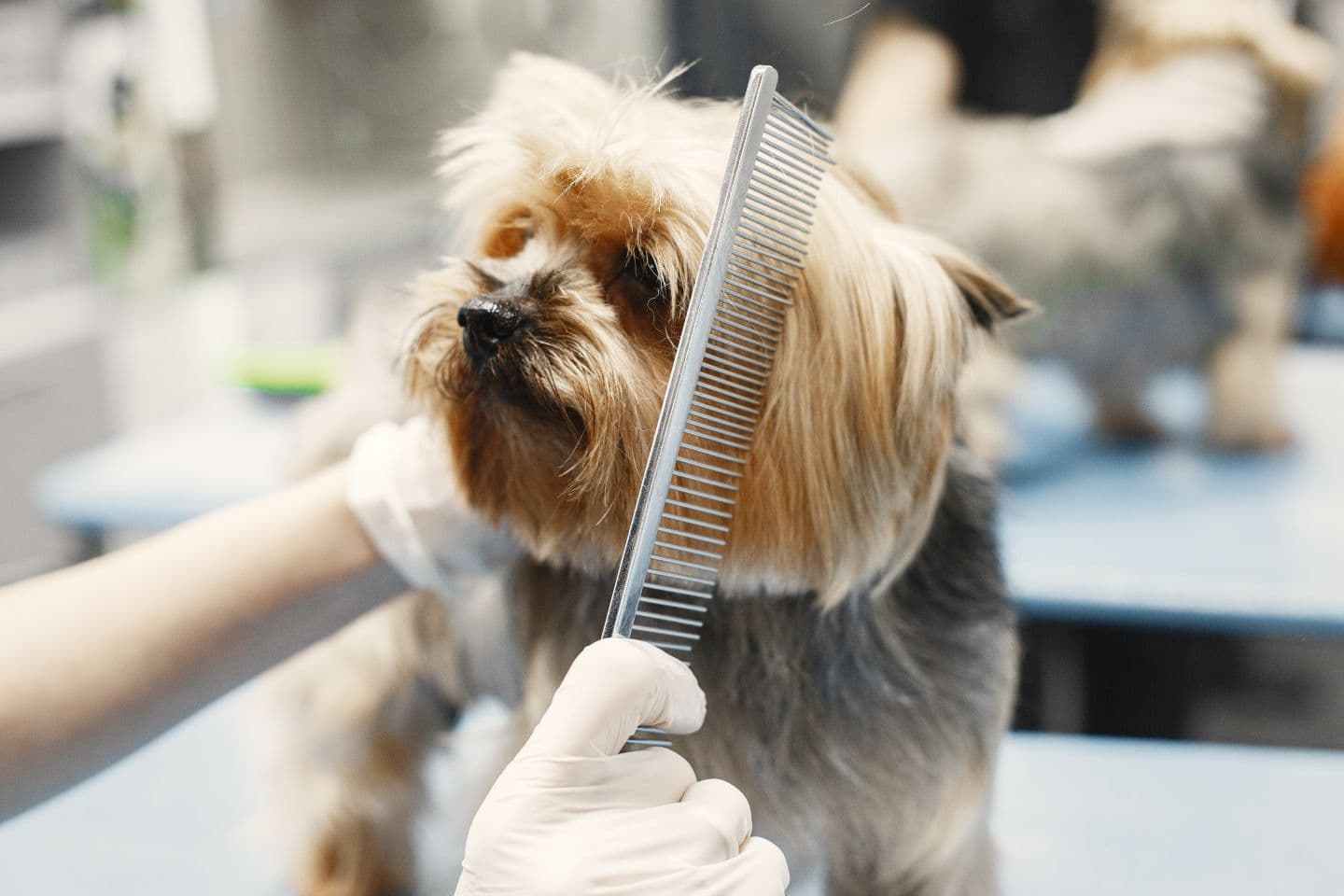
How to Handle Aggression in Dogs During Nail Clippings
Nail trims provoke more dread, in both dogs and their owners, than almost any other routine grooming task, and a dog that growls, snaps, or thrashes during a trim is showing genuine fear rather than d
Nail trims provoke more dread, in both dogs and their owners, than almost any other routine grooming task, and a dog that growls, snaps, or thrashes during a trim is showing genuine fear rather than defiance. Forcing the issue tends to entrench the fear further, while patient desensitisation, though slower, produces a lasting fix.
Why nail trims trigger such strong reactions
Many dogs never had their paws handled enough as puppies, making any unfamiliar touch to the feet feel intrusive. Others associate the clippers specifically with a past painful experience, most often having the quick, the sensitive blood vessel inside the nail, accidentally cut, which creates a lasting negative association that can persist for years. The unfamiliar sound and sensation of clippers or a grinder, combined with a dog's paws being one of the more sensitive parts of their body, adds to the general unease.
A structured desensitisation plan
Begin well before any actual trimming, simply getting a dog comfortable with having their paws touched and held, rewarding calm tolerance with treats and praise over several short sessions. Once paw handling itself isn't a concern, introduce the clippers as a neutral object first, letting the dog sniff and investigate them with no nails involved, again pairing this with treats. From there, progress to touching a nail with the clipper without cutting, then eventually to trimming a tiny sliver off just one nail, ending the session there even if it means stopping after a single nail. Moving to the next stage only once the current one produces no fear response, rather than on a fixed schedule, is the single most important principle in the whole process.
Practical tips that help along the way
Choosing a calm moment, ideally after a walk or play session when a dog is naturally a little tired, makes cooperation more likely than attempting a trim when a dog is wound up. Sharp, well-maintained clippers cut cleanly and reduce the pulling sensation that duller tools can cause, and going slowly enough to spot the quick, visible as a small dark circle in dogs with dark nails, prevents the very accidents that create fear in the first place. If a dog shows intense fear, such as trembling, excessive drooling, or snapping despite gentle handling, pausing the whole process and consulting a vet or a professional groomer experienced with anxious dogs is a better path than pushing through, and in some cases a vet may discuss short-term anti-anxiety support to make the early stages of retraining more manageable.
Working with a mobile groomer or vet at home
Many Indian cities now have mobile grooming and vet services that will come to a dog's own home, which can genuinely help a nail-shy dog, since a familiar environment tends to lower baseline anxiety compared with the smells and sounds of an unfamiliar clinic or salon. If regular trims remain a struggle despite home practice, booking a specific, unhurried slot with a groomer or vet who has handled anxious dogs before, rather than a rushed walk-in visit, tends to go far more smoothly for everyone involved.
Beyond the familiar Great Dane and Saint Bernard, a number of large, calm breeds carry the same gentle-giant temperament without quite the same name recognition. Most remain genuinely rare in India, b
A once-bouncy dog that suddenly seems flat, uninterested in walks, and withdrawn from the family is unsettling to watch, and the question that naturally follows is whether dogs can actually feel somet
A healthy dog isn't just a contented one; they're more playful, more energetic and more emotionally settled. As their owner, you're the biggest factor in how well your dog thrives, day in and day out.