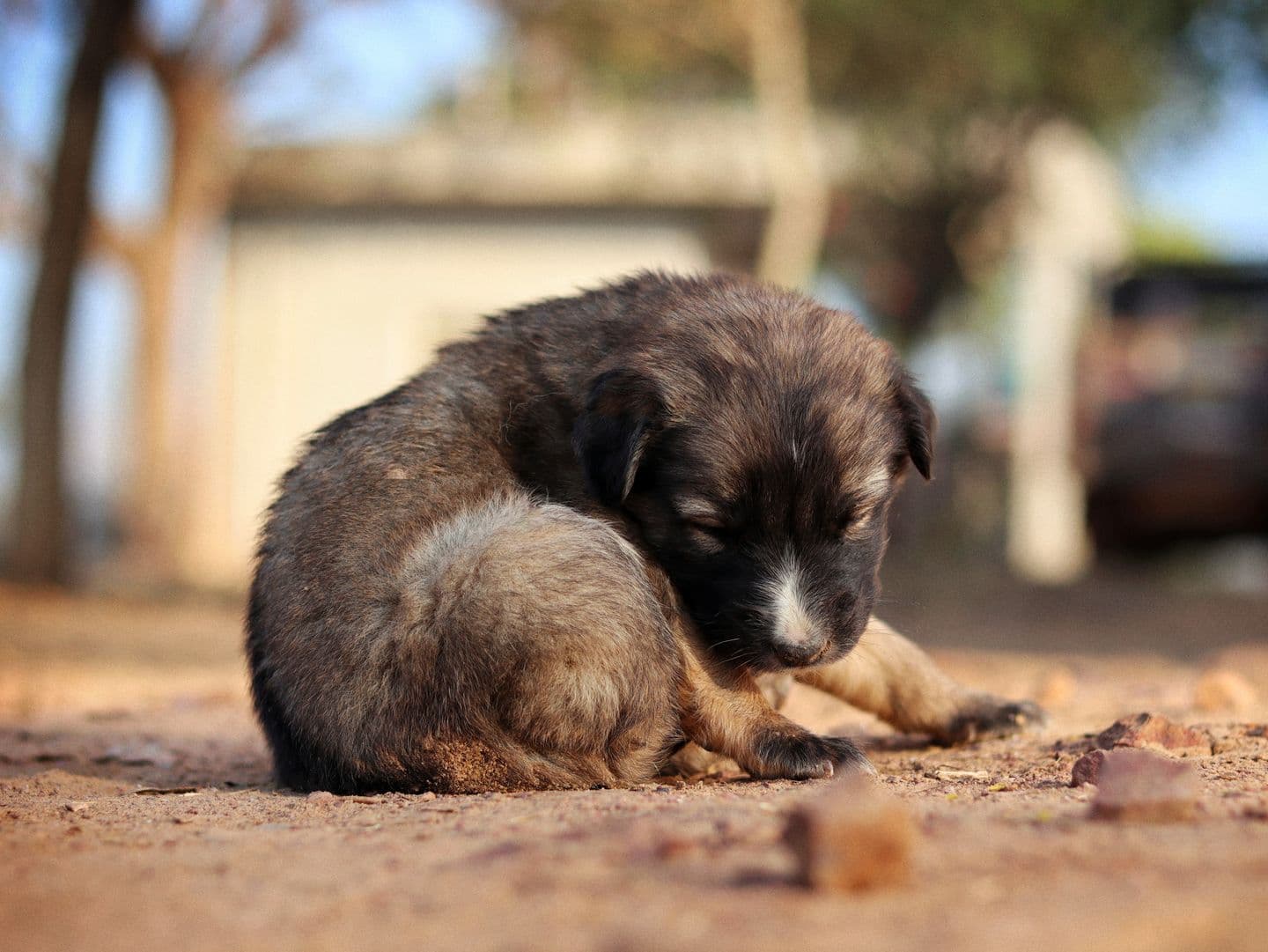
Watching a puppy hoover up whatever is within reach, a sock, a pebble, a bit of dropped roti, is one of the more nerve-wracking parts of the first few months, but it is also almost universally normal.
Watching a puppy hoover up whatever is within reach, a sock, a pebble, a bit of dropped roti, is one of the more nerve-wracking parts of the first few months, but it is also almost universally normal. Puppies explore the world with their mouths in much the same way human toddlers explore with their hands, and a fair amount of this settles down with maturity and training.
Why puppies do it
Curiosity is the biggest driver, since a puppy without hands has only its nose and mouth to investigate anything new. Teething, usually between about two and six months, adds real discomfort that chewing on nearly anything helps relieve. Some puppies are simply hungrier than others relative to their size, and a few breeds bred for retrieving or scavenging instincts find carrying and mouthing objects especially rewarding by nature. Poor impulse control is also part of it, since puppies, like small children, haven't yet developed the ability to stop and think before grabbing something interesting.
Building the habits that actually help
Puppy-proofing the home comes first: keeping small objects, footwear, medication, and anything toxic out of reach reduces both the temptation and the risk while training catches up. Teaching a reliable "leave it" and "drop it" cue, practised regularly with low-value objects and rewarded generously, gives you a genuine tool for the moment a puppy picks up something they shouldn't, rather than having to chase or wrestle it away. Offering a rotating variety of safe, appropriately sized chew toys satisfies the same mouthing urge in a way that doesn't carry the same risk, and a designated puppy-safe area or pen for unsupervised moments prevents a lot of trouble before it starts.
If a puppy does get hold of something risky, calmly trading it for a high-value treat works far better than chasing them around the house, which most puppies read as an exciting game of keep-away rather than a correction. Anything swallowed that could cause a blockage, sharp objects, coins, string, or a large chunk of an object, warrants an immediate call to the vet rather than a wait-and-see approach.
Keeping festival and kitchen hazards out of reach
Indian homes carry a few specific hazards worth double-checking for a mouthy puppy. Diwali diyas, candles, and decorative items are often left at floor level during festival season, and puja room offerings, incense, and small idols are easy for a curious puppy to reach if the room isn't gated. In the kitchen, onions, garlic, and raisins used heavily in Indian cooking are toxic to dogs, and a puppy that manages to grab a dropped piece of paratha stuffed with these ingredients needs a call to the vet rather than a wait to see if symptoms appear.
Beyond the familiar Great Dane and Saint Bernard, a number of large, calm breeds carry the same gentle-giant temperament without quite the same name recognition. Most remain genuinely rare in India, b
A once-bouncy dog that suddenly seems flat, uninterested in walks, and withdrawn from the family is unsettling to watch, and the question that naturally follows is whether dogs can actually feel somet
A healthy dog isn't just a contented one; they're more playful, more energetic and more emotionally settled. As their owner, you're the biggest factor in how well your dog thrives, day in and day out.