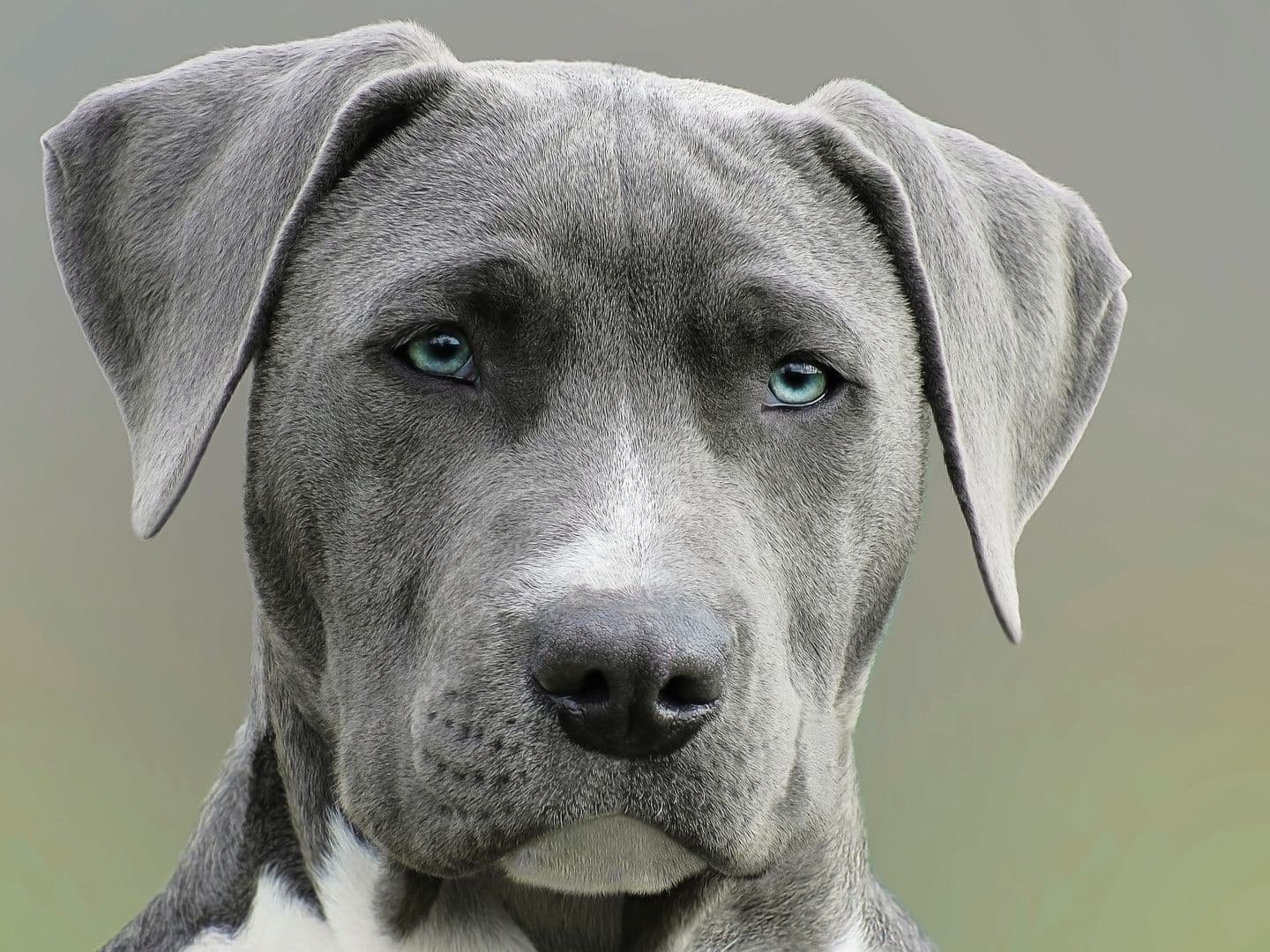
When a dog stands next to its owner and deliberately presses its body weight against the owner's legs, it is easy to interpret this purely as affection — and it partly is. But leaning also serves a de
When a dog stands next to its owner and deliberately presses its body weight against the owner's legs, it is easy to interpret this purely as affection — and it partly is. But leaning also serves a deeper function.
It is a self-regulation behaviour through which the dog seeks physical security and manages mild anxiety. The pressure of contact — similar in principle to how a weighted blanket works for humans — has a calming effect on the dog's nervous system.
What it signals:
The dog may feel slightly insecure in the current situation
It is using its trusted person as an anchor point
This is a normal, healthy attachment behaviour
When to pay closer attention: If leaning becomes extreme, constant, or is accompanied by other signs of distress (panting, trembling, inability to be alone), it may point toward separation anxiety that needs proper attention.
Beyond the familiar Great Dane and Saint Bernard, a number of large, calm breeds carry the same gentle-giant temperament without quite the same name recognition. Most remain genuinely rare in India, b
A once-bouncy dog that suddenly seems flat, uninterested in walks, and withdrawn from the family is unsettling to watch, and the question that naturally follows is whether dogs can actually feel somet
A healthy dog isn't just a contented one; they're more playful, more energetic and more emotionally settled. As their owner, you're the biggest factor in how well your dog thrives, day in and day out.