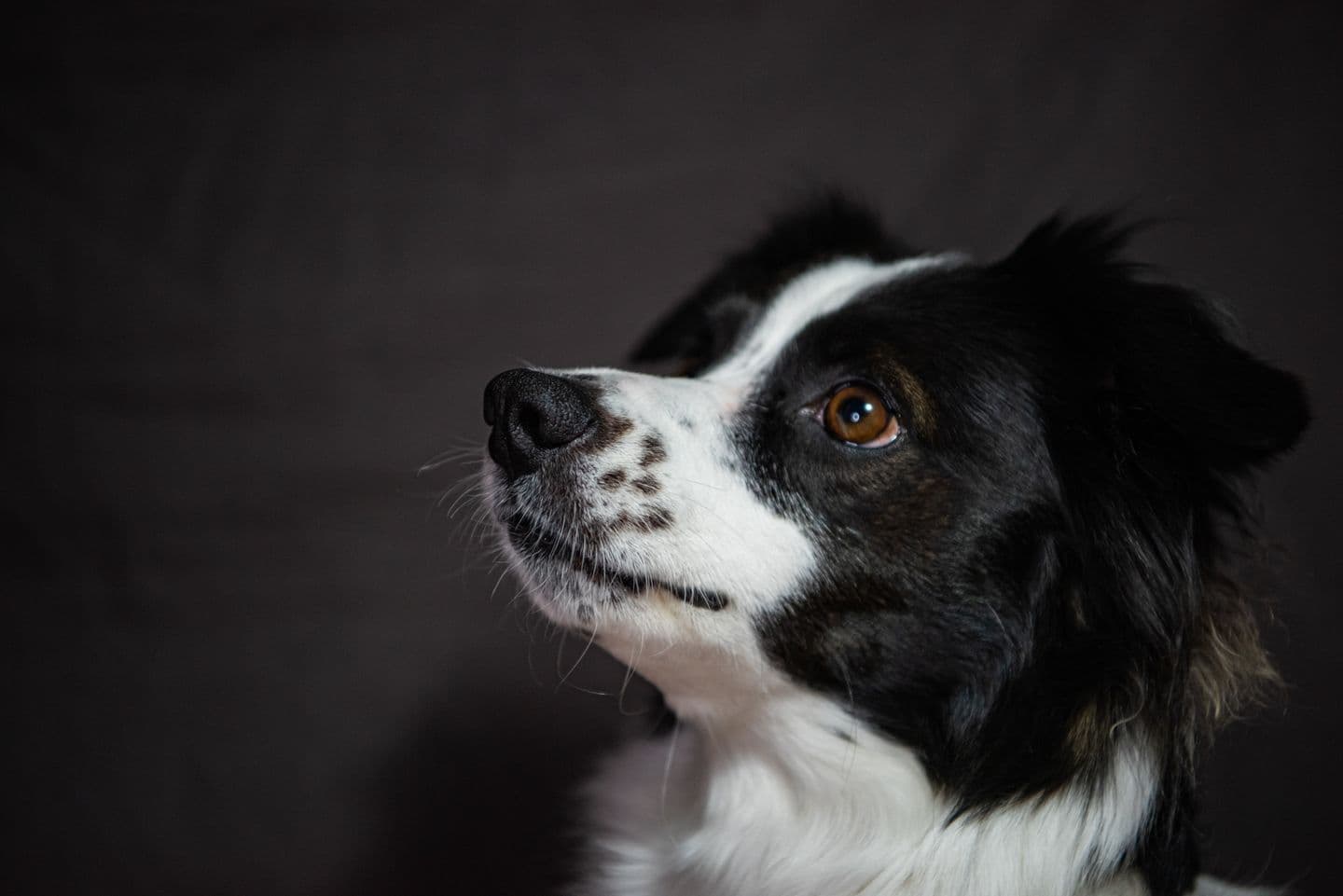
Just as humans are typically right- or left-handed, dogs often show a consistent preference for using one paw over the other — for tasks like holding down a chew toy, stepping off a curb, or reaching
Just as humans are typically right- or left-handed, dogs often show a consistent preference for using one paw over the other — for tasks like holding down a chew toy, stepping off a curb, or reaching through a gap.
Research has found that this laterality is linked to brain hemisphere dominance, much as it is in humans.
Interesting findings:
Left-pawed dogs may be slightly more reactive or cautious
Right-pawed dogs tend to be calmer (though this is not absolute)
Paw preference can influence training — a dog may find certain directional tasks easier depending on its dominant paw
How to test: Use a simple repeated task (like which paw they use first to reach for a treat placed under a cup), observing over multiple trials for a consistent pattern.
Beyond the familiar Great Dane and Saint Bernard, a number of large, calm breeds carry the same gentle-giant temperament without quite the same name recognition. Most remain genuinely rare in India, b
A once-bouncy dog that suddenly seems flat, uninterested in walks, and withdrawn from the family is unsettling to watch, and the question that naturally follows is whether dogs can actually feel somet
A healthy dog isn't just a contented one; they're more playful, more energetic and more emotionally settled. As their owner, you're the biggest factor in how well your dog thrives, day in and day out.