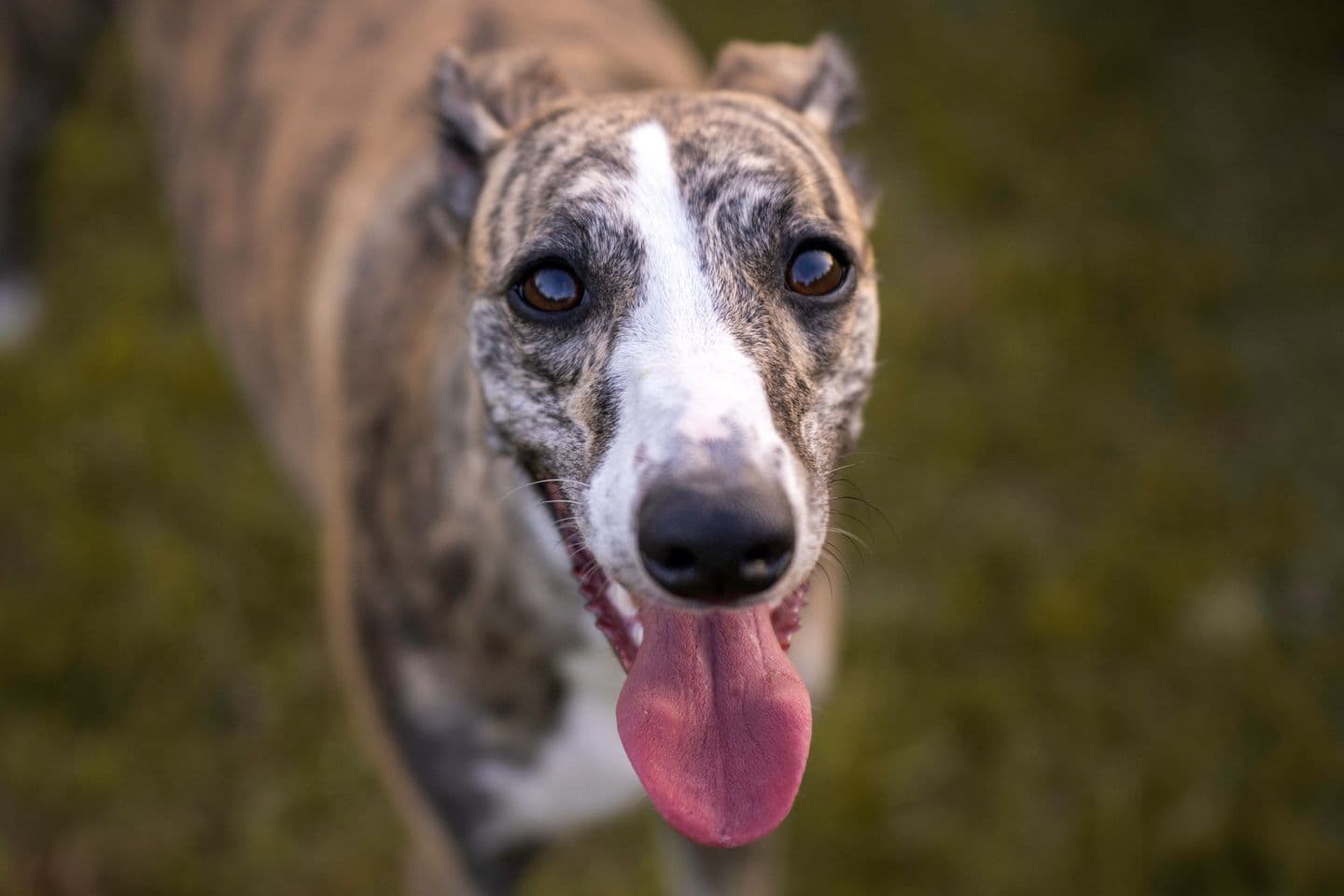
The Rampur Greyhound owes its existence to a single deliberate breeding decision made over two centuries ago. Nawab Ahmad Ali Khan Bahadur, who ruled Rampur in what is now Uttar Pradesh between 1794 a
Other names: Rampur Hound, North Indian Greyhound | Native to: Rampur, Uttar Pradesh
Quick facts
Developed in the late 18th or early 19th century by Nawab Ahmad Ali Khan Bahadur of Rampur
Created by crossing the Tazi hound with the English Greyhound
Stands 56 to 76 cm with a lean, athletic build capable of speeds above 40 mph
Featured on an Indian postage stamp in 2005 alongside three other native breeds
The story
The Rampur Greyhound owes its existence to a single deliberate breeding decision made over two centuries ago. Nawab Ahmad Ali Khan Bahadur, who ruled Rampur in what is now Uttar Pradesh between 1794 and 1840, set out to combine the ferocity and climate hardiness of the Central Asian Tazi with the speed and trainability of the English Greyhound. The result was a hunting dog capable of running down jackal, deer, wild boar and, according to some accounts, even big cats.
For the Maharajas and aristocracy of northern India, owning a Rampur Greyhound was a mark of status as much as a hunting necessity, and the breed's reputation for courage became the stuff of local legend, with tales describing single hounds bringing down jackals as a test of nerve. Its long, whip like tail, hare shaped feet and cat like balance made it one of the more physically distinctive Indian sighthounds.
Independence in 1947 marked the beginning of a long decline. With princely patronage gone, official kennels closed, and many lines were diluted through crossing with English hounds, making a genuinely purebred Rampur Greyhound increasingly hard to find. Today it is considered rare even within India, though dedicated breeders in Uttar Pradesh and Delhi, along with support from the Kennel Club of India, are working to stabilise what remains of the gene pool.
Build and appearance
The Rampur Greyhound stands 56 to 76 cm at the withers and weighs between 23 and 32 kg, with a lean, muscular body considerably more substantial than a Western Greyhound despite the shared name. Its coat is short, flat and smooth, appearing in brindle, black, grey, fawn, brown or white, and its build includes a thin, whip like tail reaching almost to the ankles along with distinctive hare shaped feet and a cat like sense of balance that helped it navigate rough terrain at speed.
Bred specifically to combine the Tazi's toughness with the English Greyhound's obedience and pace, the breed can reach speeds above 40 mph, among the fastest of any Indian sighthound, and its scissor bite and large oval eyes give it a keen, alert expression that matched its historical role as a hunter of genuinely dangerous game.
Where things stand today
This is a dog for a household prepared to meet a working sighthound's needs: space, structured exercise and patient, confident handling, since it tends to be shy with strangers though deeply loyal to its own family. Its short coat requires very little grooming, but its high prey drive and athletic build mean it is not suited to a sedentary lifestyle.
Breeders in Uttar Pradesh, Delhi and Punjab remain the most reliable source of genuine bloodlines, and rescue and sighthound specific organisations occasionally take in Rampur type dogs as well, though patience is often needed given how rare true specimens have become. For anyone drawn to India's royal hunting history, the Rampur Greyhound is quite literally a living piece of it, one that dedicated conservationists hope to keep from fading entirely into memory.
Beyond the familiar Great Dane and Saint Bernard, a number of large, calm breeds carry the same gentle-giant temperament without quite the same name recognition. Most remain genuinely rare in India, b
A once-bouncy dog that suddenly seems flat, uninterested in walks, and withdrawn from the family is unsettling to watch, and the question that naturally follows is whether dogs can actually feel somet
A healthy dog isn't just a contented one; they're more playful, more energetic and more emotionally settled. As their owner, you're the biggest factor in how well your dog thrives, day in and day out.