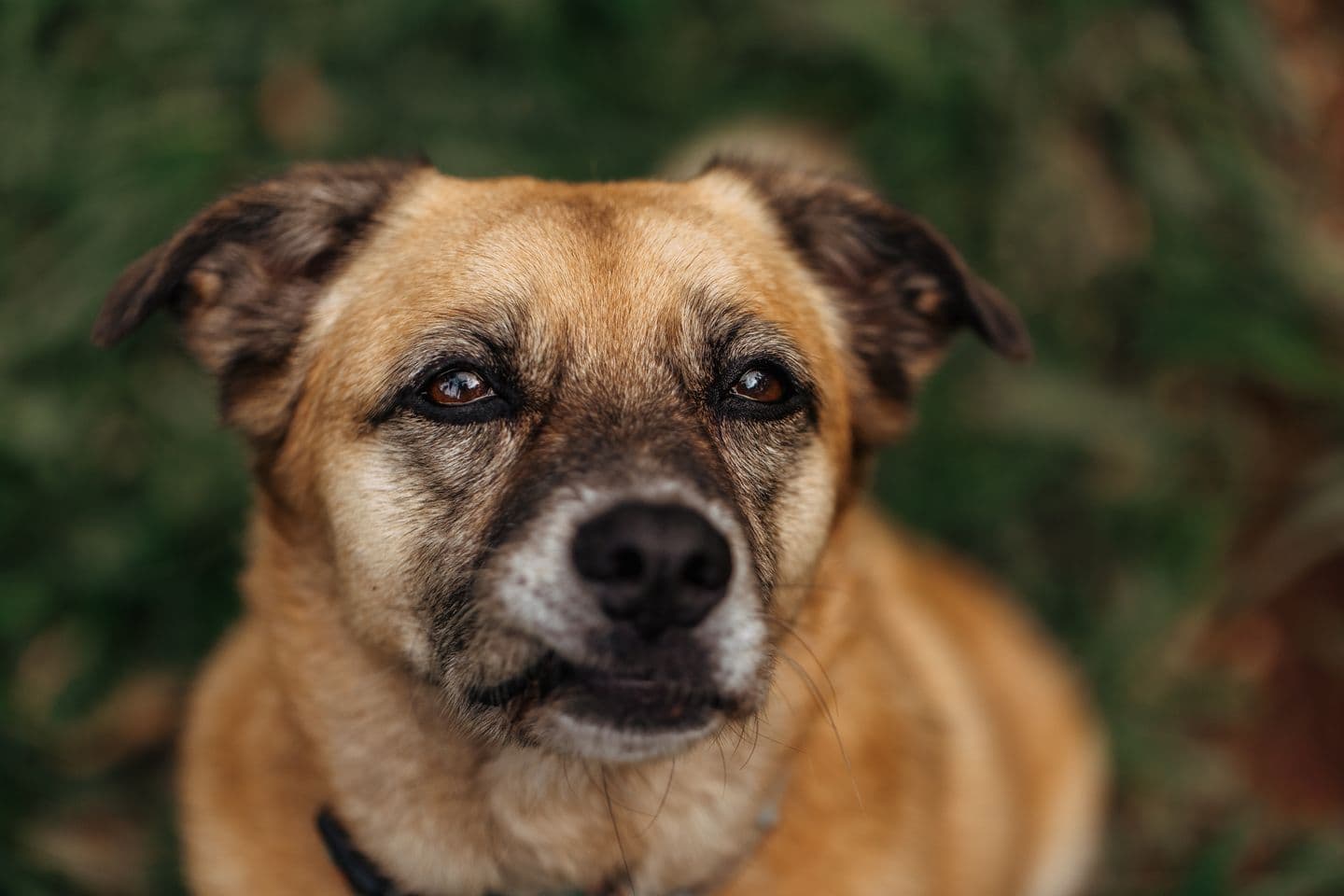
Dogs communicate constantly, through posture, tail, ears, eyes and mouth all at once. Learning to read the whole picture, rather than a single signal in isolation, is the single most useful skill any
Dogs communicate constantly, through posture, tail, ears, eyes and mouth all at once. Learning to read the whole picture, rather than a single signal in isolation, is the single most useful skill any dog owner can build.
Start With the Overall Posture
A relaxed dog has a loose, wiggly body with weight evenly distributed. A stressed or alert dog stiffens, leaning either forward toward a trigger or backward away from it. This overall shape is often the fastest thing to notice, even before you look at any individual feature.
The Tail Tells Part of the Story
A loose, low to mid height wag usually signals friendliness. A high, stiff, fast wag can mean high arousal, which is not always positive and can precede either excitement or a defensive reaction. A tucked tail signals fear.
Ears and Eyes Add Detail
Forward ears show alertness, pinned ears show fear or appeasement. Soft, blinking eyes show calm, while a hard, unblinking stare or whale eye, where the whites show, both signal stress.
The Mouth Matters Too
A relaxed, slightly open mouth, sometimes called a soft mouth, indicates comfort. A tightly closed mouth or pulled back lips can indicate tension, and excessive panting outside of heat or exercise can be a stress signal in itself.
Putting It All Together
Never read one signal alone. A wagging tail with a stiff body and hard eyes is a very different dog to a wagging tail with a loose body and soft eyes. Watching your own dog in a range of everyday situations, calm at home, excited at the door, unsure at the vet, builds a personal baseline you can compare against.
Why This Skill Matters in India
Crowded streets, festival season, and frequent encounters with unfamiliar street dogs mean Indian dog owners get more real world practice reading body language than many. Use it. Stepping in early when you notice tension prevents most bites and most bad experiences before they happen.
Common Misreadings to Avoid
The biggest mistake is assuming a wagging tail always means a friendly dog. A high, stiff, rapidly wagging tail on a tense body can precede a bite just as easily as a bark can. Equally, a dog who freezes and goes very still is often more concerning than one who is moving around, since stillness frequently precedes a snap. Slow down around any dog showing mixed or ambiguous signals rather than assuming the best case reading.
Practising by Recording Your Own Dog
A short video of your dog during a calm moment, an exciting greeting, and a mildly uncertain situation gives you material to review slowly, spotting subtle ear, tail, and posture changes you likely missed in the moment. Reviewing your own dog's specific patterns over time sharpens this skill faster than reading about it alone.
Beyond the familiar Great Dane and Saint Bernard, a number of large, calm breeds carry the same gentle-giant temperament without quite the same name recognition. Most remain genuinely rare in India, b
A once-bouncy dog that suddenly seems flat, uninterested in walks, and withdrawn from the family is unsettling to watch, and the question that naturally follows is whether dogs can actually feel somet
A healthy dog isn't just a contented one; they're more playful, more energetic and more emotionally settled. As their owner, you're the biggest factor in how well your dog thrives, day in and day out.