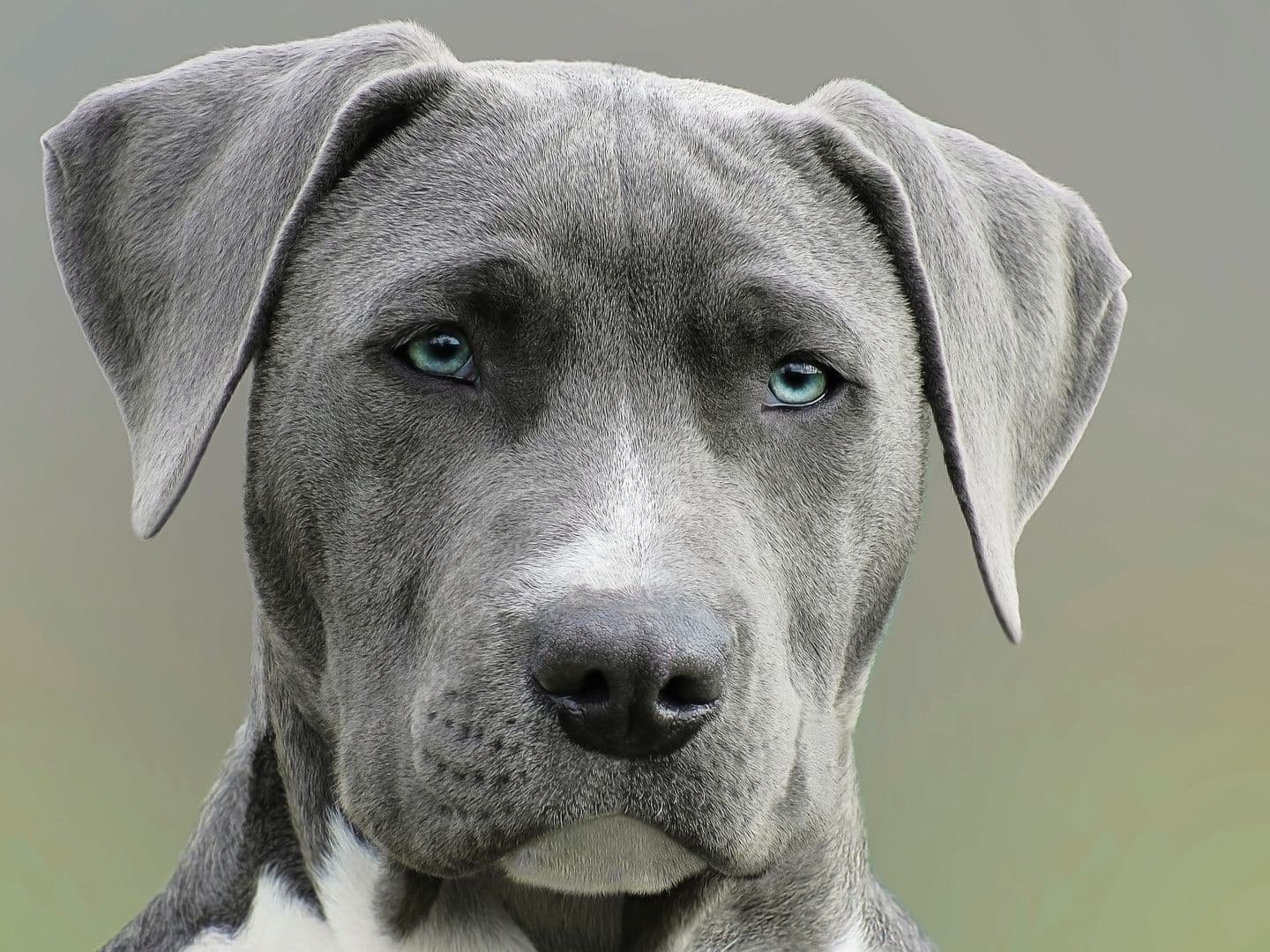
A dog's nose is normally a little moist, but true nasal discharge, a genuine runny nose, is different and worth paying attention to. The colour, thickness, and whether one or both nostrils are affecte
A dog's nose is normally a little moist, but true nasal discharge, a genuine runny nose, is different and worth paying attention to. The colour, thickness, and whether one or both nostrils are affected all offer useful clues about the underlying cause.
Clear, Watery Discharge
This is generally the least concerning type, often linked to mild irritation from dust, pollen, or environmental allergens, common in many Indian cities with heavy traffic and construction dust. Excitement or nervousness can also cause a brief, clear discharge in some dogs. If it clears up once your dog calms down or moves away from a dusty environment, it is usually nothing to worry about.
Thick, Yellow, or Green Discharge
This colour and consistency usually points towards a bacterial or, less commonly, fungal infection, and often comes with other symptoms such as sneezing, coughing, or reduced appetite. This type of discharge is not something to manage at home and needs veterinary evaluation.
Discharge From Only One Nostril
Discharge limited to a single nostril often has a localised cause, such as a foreign object like a grass seed lodged in the nasal passage, a tooth root abscess, or, less commonly, a nasal tumour, particularly in older dogs. This pattern is worth a vet visit even if the discharge itself looks relatively mild, since a foreign object left in place can cause ongoing irritation and infection.
Blood in the Nasal Discharge
Any blood mixed into nasal discharge should be treated seriously and checked by a vet promptly, since it can indicate trauma, a clotting problem, or in some cases a growth within the nasal passage.
Breed Related Runny Noses
Brachycephalic breeds such as Pugs, Boxers, and Bulldogs sometimes have a mild, chronic runny nose simply due to the structure of their airways and nasal passages, a pattern many of these dogs live with comfortably for years without it indicating an active problem.
When to See a Vet
Discharge that persists beyond two to three days
Thick, discoloured, or foul smelling discharge
Discharge from only one nostril
Blood in the discharge
Nasal discharge alongside coughing, lethargy, fever, or loss of appetite
What to Expect at the Vet
Your vet will take a history and perform a physical exam, and further steps depend on the pattern seen. This might include checking inside the mouth for signs of a dental problem, imaging to look for foreign material or masses, or in some cases a scope examination of the nasal passages for a clearer view.
Distinguishing a Cold Weather Nose From Illness
During cooler months in northern India, a small amount of clear discharge can simply reflect the change in temperature and humidity, much like a person's nose reacting to cold air. The distinguishing factor remains the same as elsewhere in this article: a mild, clear, occasional discharge with no other symptoms is generally weather related, while thickness, colour change, or persistence points towards something needing veterinary attention.
Indoor heating or prolonged time in an air conditioned room can also dry out nasal passages enough to trigger a brief compensatory increase in discharge as the body tries to keep the tissue moist, a pattern that typically settles once your dog spends time in more moderate, humid conditions again.
If you notice a runny nose developing a consistent pattern around a particular season each year, keeping a brief yearly note of when it starts and how long it lasts can help your vet distinguish a recurring seasonal allergy from a series of unrelated, one off irritations.
Common Questions
Can seasonal changes in India genuinely trigger a runny nose in dogs?
Yes, dust before monsoon, pollen during certain months, and general air quality in many Indian cities can all act as nasal irritants for sensitive dogs, producing a clear, watery discharge similar to how these conditions affect people with allergies.
Is a runny nose in a brachycephalic breed always just their normal anatomy?
Not necessarily. While mild, chronic discharge can be a normal feature for these breeds, any sudden change, worsening, or new discolouration should still be checked rather than automatically attributed to breed anatomy.
This article is for general awareness and does not replace veterinary advice. If your dog is unwell, consult a veterinarian promptly.
Beyond the familiar Great Dane and Saint Bernard, a number of large, calm breeds carry the same gentle-giant temperament without quite the same name recognition. Most remain genuinely rare in India, b
A once-bouncy dog that suddenly seems flat, uninterested in walks, and withdrawn from the family is unsettling to watch, and the question that naturally follows is whether dogs can actually feel somet
A healthy dog isn't just a contented one; they're more playful, more energetic and more emotionally settled. As their owner, you're the biggest factor in how well your dog thrives, day in and day out.