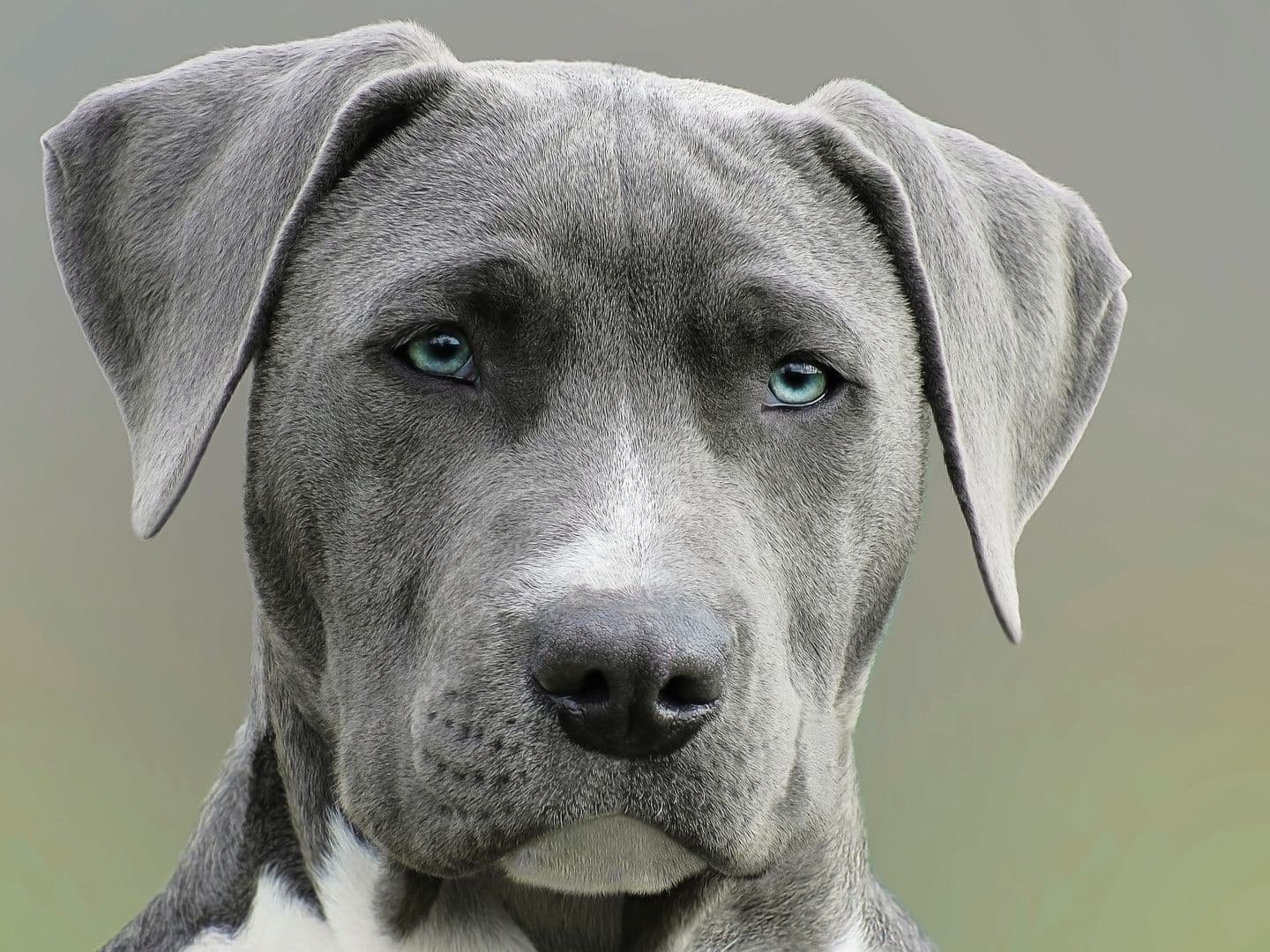
Dogs cannot say I love you, but they say it constantly in other ways. Recognising these signs helps owners feel more connected and read their dog's emotional state more accurately.
Dogs cannot say I love you, but they say it constantly in other ways. Recognising these signs helps owners feel more connected and read their dog's emotional state more accurately.
Leaning Against You
A dog who leans their full weight against your leg or side is seeking closeness and comfort, not just balance.
A Soft, Relaxed Gaze
Prolonged, relaxed eye contact between a dog and their owner has been shown to raise oxytocin levels in both, the same bonding hormone released between a parent and infant.
Following You Room to Room
Dogs who trail their owner around the house, sometimes called velcro dogs, are usually expressing attachment rather than neediness, particularly common in breeds bred to work closely with people.
Bringing You Toys or Objects
A dog dropping a toy at your feet is often inviting connection through play, one of the clearest ways dogs know how to say they want to spend time with you.
Sleeping Near or On You
Choosing to sleep close by, especially in a vulnerable position like on their back or side, shows a high level of trust and comfort in your presence.
Leaning Into Physical Touch
A dog who pushes into a scratch or nuzzles your hand for more is clearly enjoying the contact, unlike a dog who stiffens or moves away.
The Full Body Wiggle
Beyond a simple tail wag, an all over body wiggle on greeting, common when an owner returns home after a workday, is one of the purest expressions of canine joy.
A Gentle Reminder
Every dog shows affection differently. Some are naturally more reserved, and that does not mean they love their people any less. Learn your own dog's particular style rather than comparing them to another dog's behaviour.
Affection in Rescued and Independent Dogs
Indies and rescued street dogs sometimes express affection in quieter, less demonstrative ways than a breed developed to work closely alongside people, especially early in their time with a new family. A rescue who simply chooses to rest in the same room as you, without seeking physical contact, is often showing real trust. Give a reserved dog time and avoid comparing their pace of bonding to a more overtly affectionate breed.
Affection Shown Through Calm Eye Contact
Beyond the playful moments, a dog who holds soft, relaxed eye contact with you during a quiet training session or a calm walk is expressing the same trust and connection as any cuddle, just in a quieter, easily overlooked form.
Beyond the familiar Great Dane and Saint Bernard, a number of large, calm breeds carry the same gentle-giant temperament without quite the same name recognition. Most remain genuinely rare in India, b
A once-bouncy dog that suddenly seems flat, uninterested in walks, and withdrawn from the family is unsettling to watch, and the question that naturally follows is whether dogs can actually feel somet
A healthy dog isn't just a contented one; they're more playful, more energetic and more emotionally settled. As their owner, you're the biggest factor in how well your dog thrives, day in and day out.