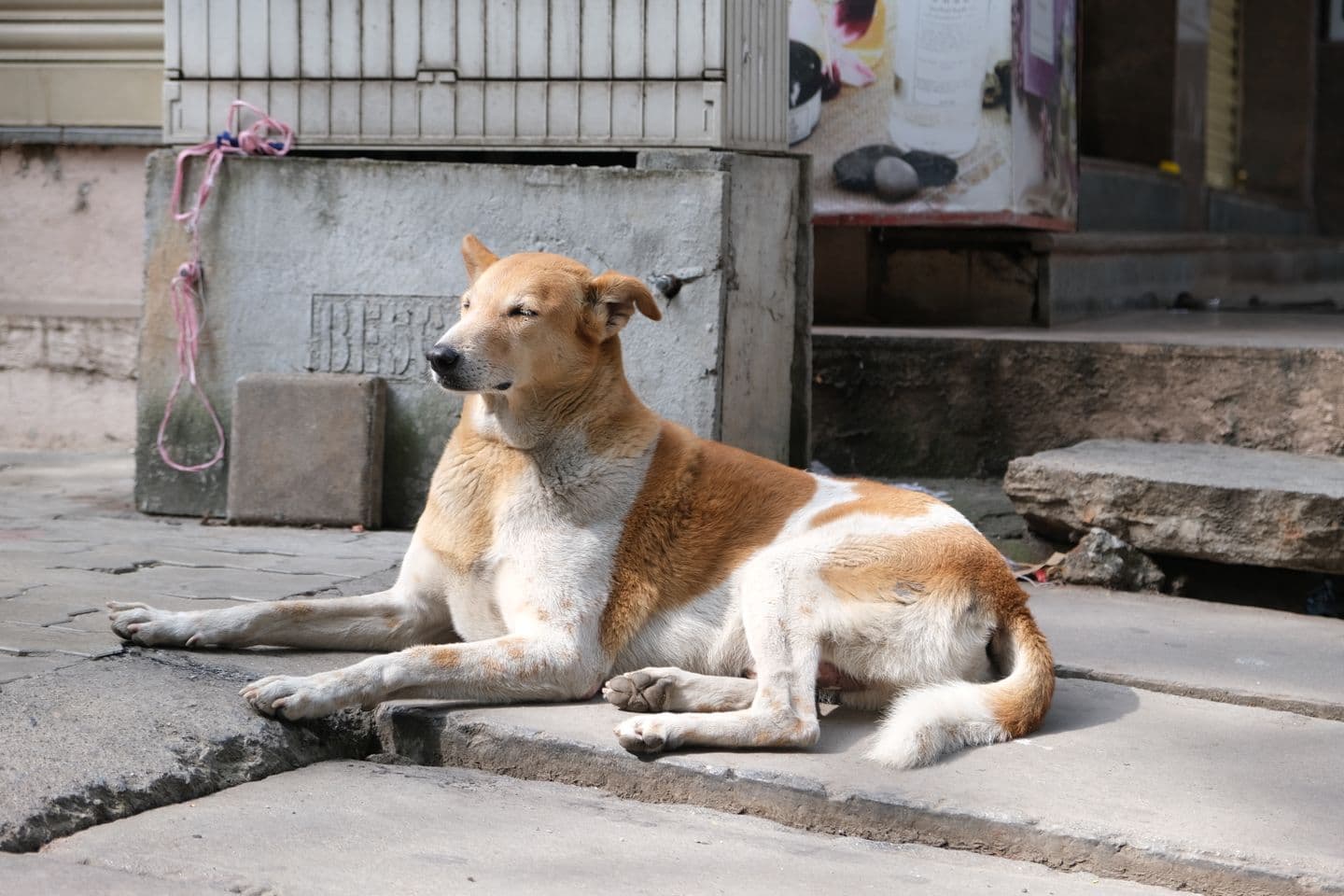
Developed in the princely state of Rampur in Uttar Pradesh, the Rampur Hound (also called the Rampur Greyhound) is a striking cross of Central Asian Tazi bloodlines and the English Greyhound, built fo
Developed in the princely state of Rampur in Uttar Pradesh, the Rampur Hound (also called the Rampur Greyhound) is a striking cross of Central Asian Tazi bloodlines and the English Greyhound, built for speed across open northern plains.
Origin and History
The Rampur Hound was developed by the Nawabs of Rampur, who crossed the resilient Tazi sighthound with the English Greyhound to combine hardiness in harsh weather with raw coursing speed. It was used to hunt deer, fox, jackal, and even wild boar, and taking down a golden jackal was traditionally considered a test of a single hound's courage. The breed was honoured on an Indian postage stamp in 2005, and Rampur Hounds have recently been inducted by the Border Security Force alongside the Mudhol Hound as part of a push to promote indigenous working breeds.
Physical Characteristics
A medium to large sighthound standing roughly 56 to 76 centimetres at the shoulder.
A short, close coat in black, grey, brindle, fawn, brown, or white.
A broad head with small, dark-rimmed eyes and small drooping ears, giving it a somewhat different silhouette from other Indian sighthounds.
A long, thin, low-set tail with a slight upward curve.
Temperament
The Rampur Hound is intelligent, loyal, and devoted to its family, but reserved with strangers and other pets, in keeping with its one-person-dog reputation. Owners often describe it as deceptively lazy by day and considerably more alert and active at night, a pattern rooted in its coursing history. It tends to bark less and growl more than other breeds, and needs an experienced, patient hand.
Living with a Rampur Hound in India
This is a rare breed today, on the edge of extinction in some accounts, and finding one usually means going through a dedicated regional breeder or conservation effort rather than a general pet shop.
Provide secure, generous space: the Rampur Hound's coursing instincts mean it needs a large, safely enclosed area to run, not a small balcony or flat.
Coat care is low, since the short coat sheds lightly and needs only occasional brushing.
Watch for boredom-driven behaviour: without adequate exercise and mental engagement, this intelligent, independent-minded breed can become withdrawn or reactive.
Socialise consistently from puppyhood, given the breed's natural wariness of unfamiliar people and animals.
Support conservation: given how few purebred Rampur Hounds remain, responsible breeding through recognised programmes matters for the breed's survival.
Beyond the familiar Great Dane and Saint Bernard, a number of large, calm breeds carry the same gentle-giant temperament without quite the same name recognition. Most remain genuinely rare in India, b
A once-bouncy dog that suddenly seems flat, uninterested in walks, and withdrawn from the family is unsettling to watch, and the question that naturally follows is whether dogs can actually feel somet
A healthy dog isn't just a contented one; they're more playful, more energetic and more emotionally settled. As their owner, you're the biggest factor in how well your dog thrives, day in and day out.