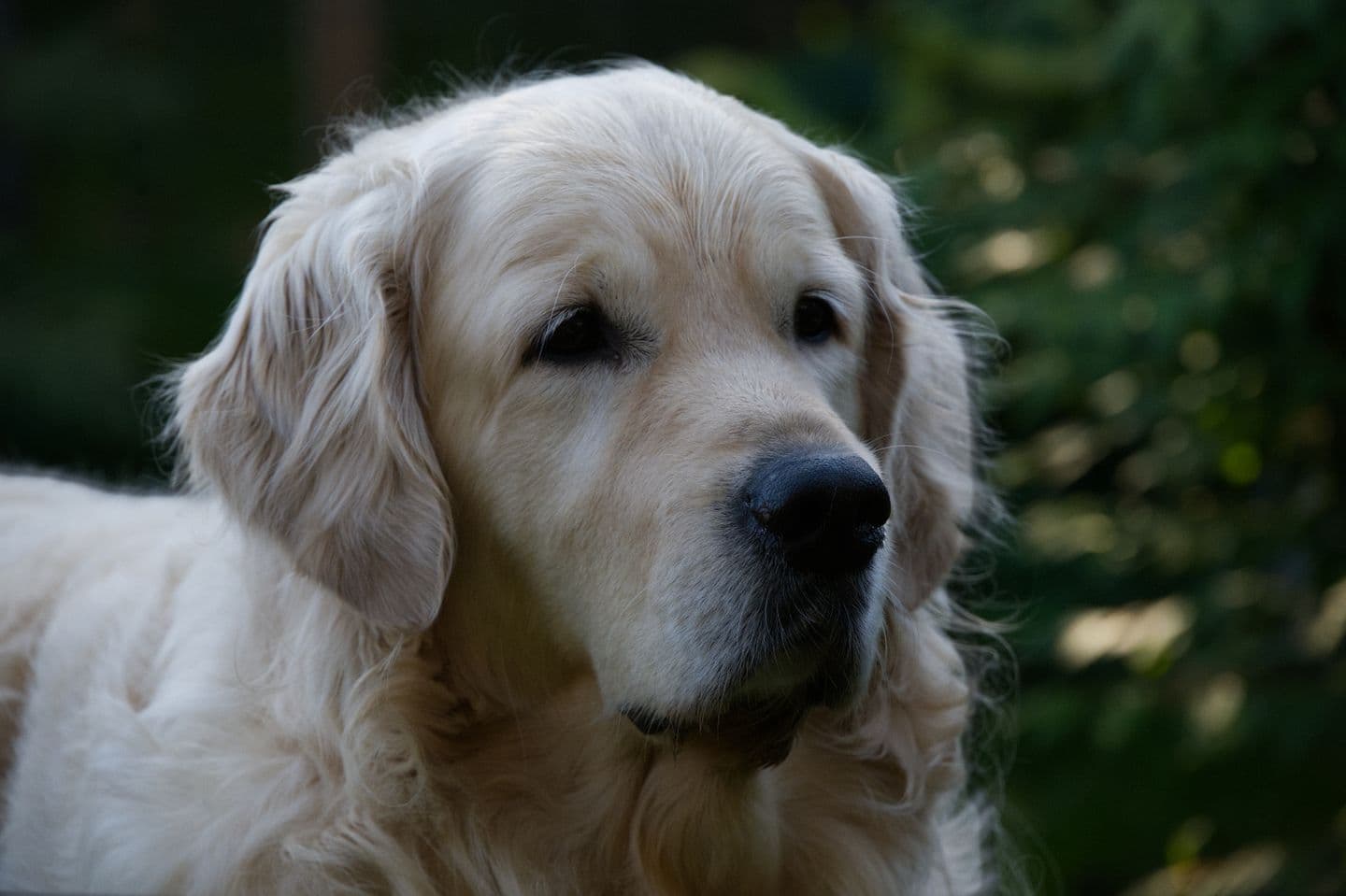
The Vaghari Hound: One of India's Most Obscure Sighthounds
Of all the breeds documented in Theodore Baskaran's landmark survey, The Book of Indian Dogs, the Vaghari Hound is among the least recorded today, a sighthound that survives more in breed lists and ol
Of all the breeds documented in Theodore Baskaran's landmark survey, The Book of Indian Dogs, the Vaghari Hound is among the least recorded today, a sighthound that survives more in breed lists and old accounts than in any detailed modern description.
Origin and History
The Vaghari Hound is listed among India's historic indigenous sighthound breeds, alongside the Rampur Hound, Rajapalayam, Pashmi, Mudhol Hound, Kanni, Chippiparai, Kaikadi, and Banjara Hound. It is associated with the Vaghari community, a group traditionally linked to western India. Unlike its better documented cousins, detailed breed standards, population figures, and physical measurements for the Vaghari Hound are not readily available even in specialist Indian dog literature, which places it among the most obscure of the country's surviving native breeds.
What Can Be Said with Confidence
It belongs to India's sighthound family, meaning it was almost certainly bred to hunt by sight and speed rather than scent, in the same tradition as the Mudhol Hound and Rajapalayam.
It shares this heritage with a cluster of regional Indian hounds that developed largely independently across different communities and terrains.
Like most of these breeds, it is not recognised by any major kennel club, and reliable population estimates are not publicly documented.
A Note on Rarity
Breeds like the Vaghari Hound are a reminder of how much of India's canine heritage has slipped out of public record. Conservationists and breed historians have flagged this gap directly: many of the country's original hound breeds were pushed aside during the colonial era in favour of imported dogs, and government support for preserving them has been inconsistent ever since. For a reader genuinely interested in the Vaghari Hound, the most useful next step is connecting with Indian native breed conservation groups and regional kennel clubs, who are more likely to hold current, on-the-ground information than any general breed guide can offer.
Beyond the familiar Great Dane and Saint Bernard, a number of large, calm breeds carry the same gentle-giant temperament without quite the same name recognition. Most remain genuinely rare in India, b
A once-bouncy dog that suddenly seems flat, uninterested in walks, and withdrawn from the family is unsettling to watch, and the question that naturally follows is whether dogs can actually feel somet
A healthy dog isn't just a contented one; they're more playful, more energetic and more emotionally settled. As their owner, you're the biggest factor in how well your dog thrives, day in and day out.