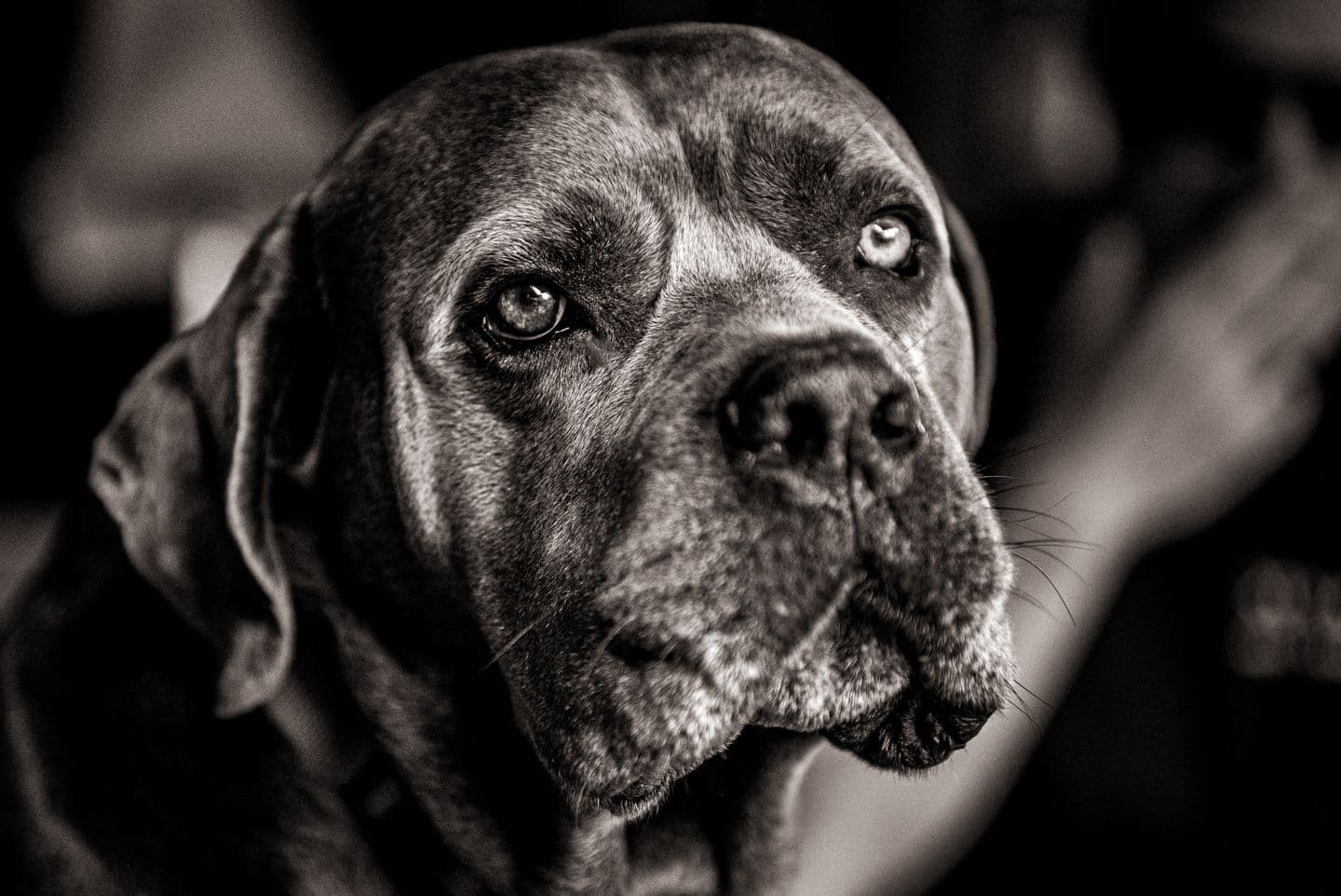
A dog pressing their full body weight against a person's legs, whether at the vet's office, on the sofa, or simply standing in the kitchen, is one of the more touching quirks of dog ownership, and it
A dog pressing their full body weight against a person's legs, whether at the vet's office, on the sofa, or simply standing in the kitchen, is one of the more touching quirks of dog ownership, and it usually means something genuinely warm rather than anything to worry about.
Affection is the most common reason
For most dogs, leaning is simply a physical way of initiating closeness, not unlike a person leaning their head on a friend's shoulder. It shows trust and comfort, and many dogs learn early that leaning brings a reliably positive response, a stroke, a scratch, some warm words, which reinforces the habit over time. Dogs also express affection with each other through touch, resting against a housemate dog while relaxing, and simply extend the same gesture to the people in their social circle.
Sometimes it's about reassurance
Leaning can also be a dog's way of managing anxiety or uncertainty, particularly in a stressful setting like a vet's waiting room, during a thunderstorm, or when meeting someone unfamiliar. By staying in physical contact with a trusted person, an anxious dog can keep track of that person's location without needing to watch them directly, which offers a real sense of security. The context and the dog's overall body language usually make the difference clear: a soft, relaxed lean during a calm moment at home is affection, while a tense lean paired with a tucked tail, pinned ears, or panting during a stressful event points more towards seeking reassurance.
It isn't about dominance
An older, now largely discredited idea held that leaning was a subtle assertion of dominance over a person. Modern behaviourists have moved well away from this framing; a dog's relationship with their owner is better understood as attachment, similar to a child's bond with a parent, rather than a contest for status, and a dog's usually loose, relaxed body language during a lean is itself inconsistent with any kind of dominance display.
When it's worth gently discouraging
Occasional leaning needs no intervention at all, and many owners genuinely enjoy it. If a dog's leaning becomes constant, intense, or paired with an inability to settle unless in physical contact, especially alongside other clingy behaviours like following from room to room, it may be worth looking at whether separation anxiety or a broader confidence issue is at play, rather than treating the leaning itself as the problem. Teaching an alternative way to request attention, such as a gentle nudge of the hand or sitting calmly nearby, gives an overly persistent leaner another option without withdrawing affection altogether.
Leaning during Indian festival seasons
Diwali crackers, wedding-band processions, and other loud festival noise are a common trigger for reassurance-seeking leaning across Indian households, and a dog pressing hard into an owner's legs during these periods is very likely managing genuine acoustic stress rather than simply being affectionate. Providing a solid, calm physical presence during these predictable noisy windows, rather than pushing a leaning dog away or fussing excitedly, gives them exactly the steady reassurance they're seeking in the moment.
Beyond the familiar Great Dane and Saint Bernard, a number of large, calm breeds carry the same gentle-giant temperament without quite the same name recognition. Most remain genuinely rare in India, b
A once-bouncy dog that suddenly seems flat, uninterested in walks, and withdrawn from the family is unsettling to watch, and the question that naturally follows is whether dogs can actually feel somet
A healthy dog isn't just a contented one; they're more playful, more energetic and more emotionally settled. As their owner, you're the biggest factor in how well your dog thrives, day in and day out.