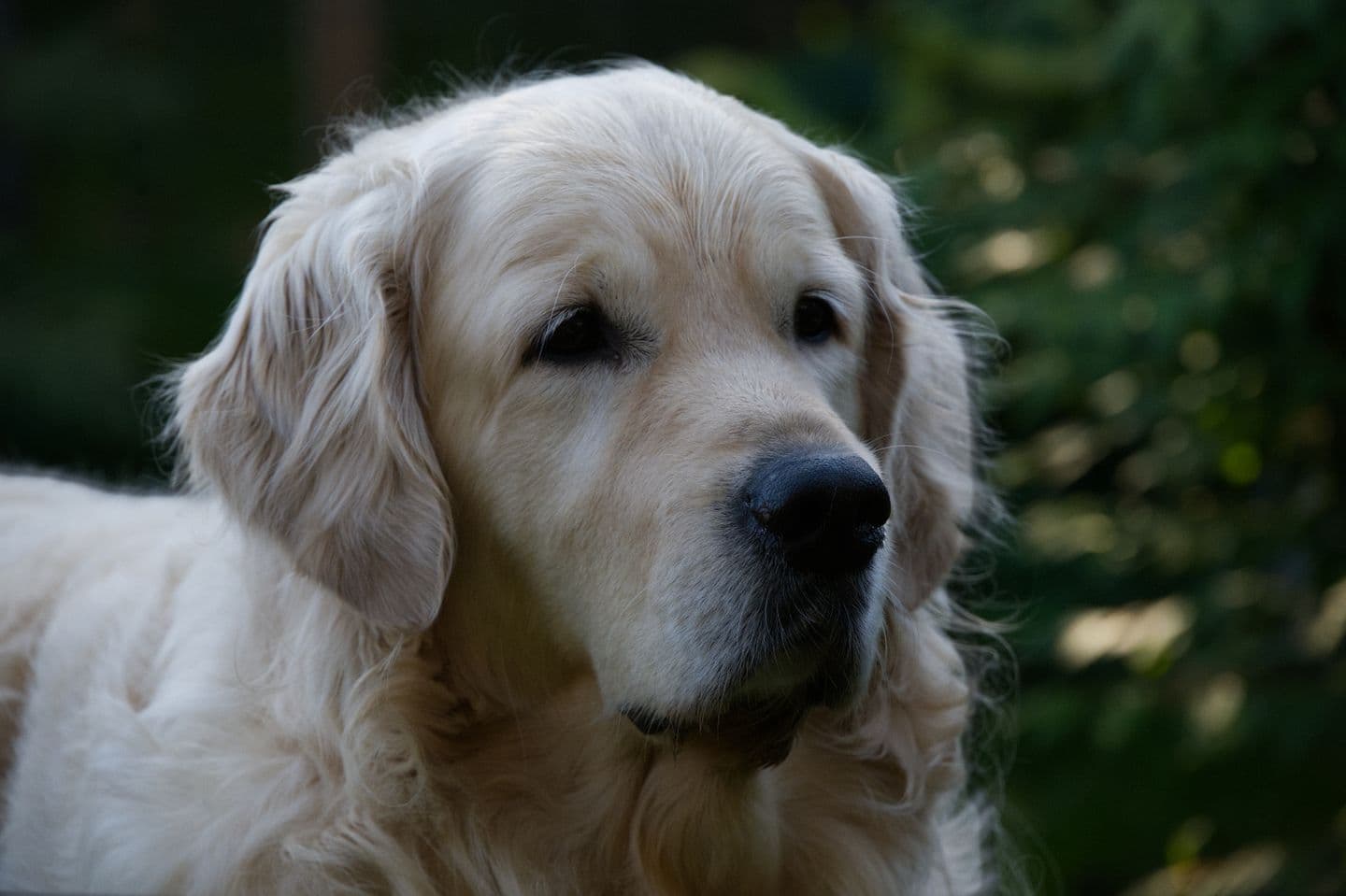
When a dog deliberately turns its head away from another dog, a person, or a situation, it is performing a specific and intentional communication act.
In dog language, direct face-to-face orientation can be confrontational. Turning the head away is the equivalent of saying: "I am not a threat. I do not want conflict. Please give me space."
Often misread as: The dog being aloof, disinterested, or ignoring you — when in fact the dog is actively de-escalating.
Common triggers:
Being photographed (camera pointed at the face mimics a direct stare)
Meeting unfamiliar dogs
Feeling pressured by an interaction
Best response: Give the dog space rather than pursuing engagement. This is one of the simplest ways to build trust.
Beyond the familiar Great Dane and Saint Bernard, a number of large, calm breeds carry the same gentle-giant temperament without quite the same name recognition. Most remain genuinely rare in India, b
A once-bouncy dog that suddenly seems flat, uninterested in walks, and withdrawn from the family is unsettling to watch, and the question that naturally follows is whether dogs can actually feel somet
A healthy dog isn't just a contented one; they're more playful, more energetic and more emotionally settled. As their owner, you're the biggest factor in how well your dog thrives, day in and day out.