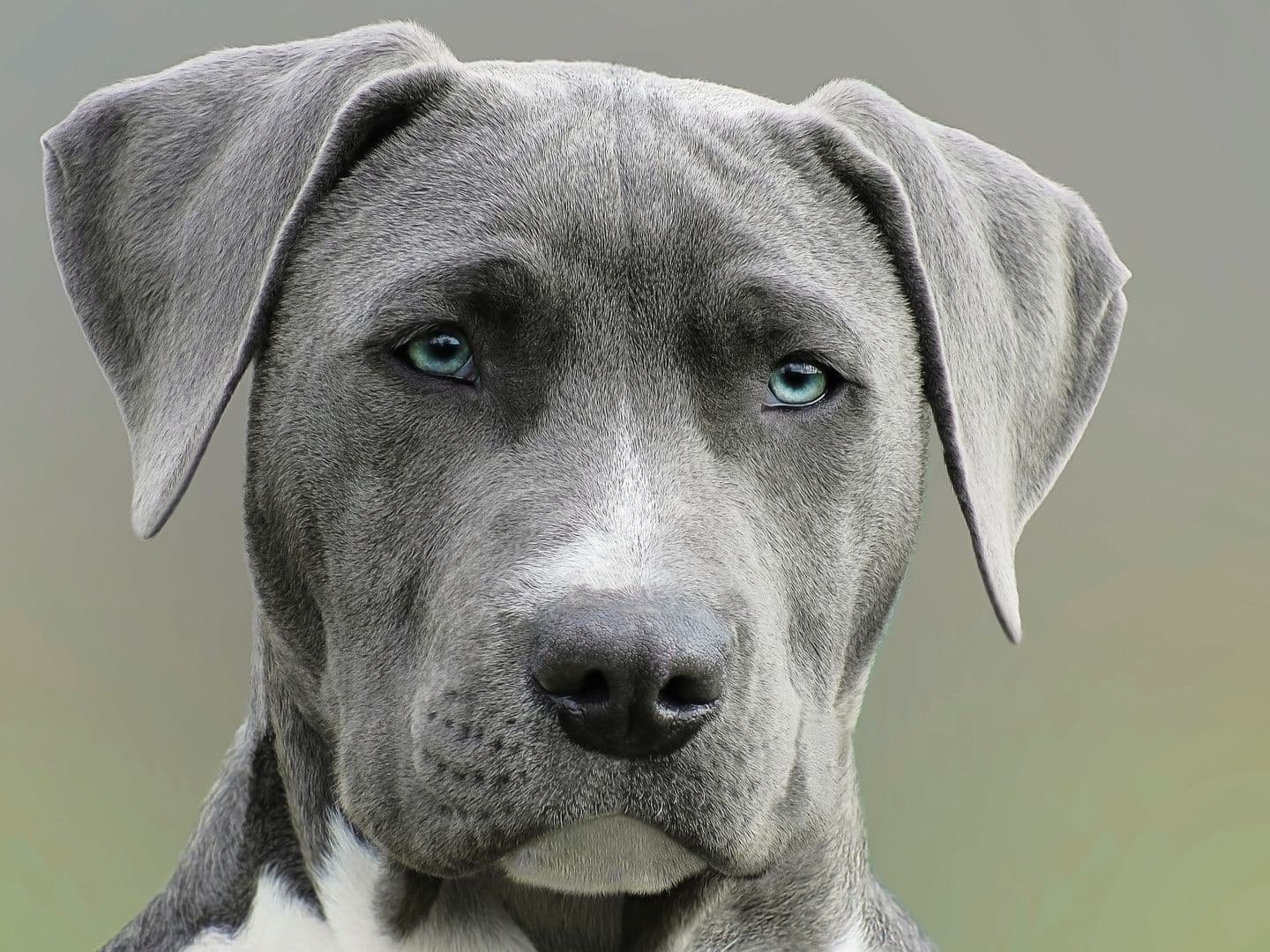
Understanding Submissive Dog Behaviours: Top Signs and Meanings
Submissive signals are a dog's way of avoiding conflict and communicating that they mean no threat. Recognising them helps you respond with reassurance rather than correction, which is exactly what a
Submissive signals are a dog's way of avoiding conflict and communicating that they mean no threat. Recognising them helps you respond with reassurance rather than correction, which is exactly what a submissive dog needs.
Rolling Onto the Back
Exposing the belly during a tense interaction, often with a stiff body rather than a relaxed one, is a classic appeasement gesture rather than a request for a rub.
Tucked Tail
A tail pulled tightly between the legs signals fear or submission, especially when paired with a lowered body.
Avoiding Eye Contact
Turning the head away or breaking eye contact is a dog's way of signalling they are not a threat and do not want conflict.
Lowered Body Posture
Crouching low to the ground, sometimes with the front end lower than the back, shows deference, commonly seen when a smaller or younger dog greets a larger, more confident one.
Submissive Urination
Some dogs, especially puppies and naturally anxious individuals, urinate briefly during excited or intimidating greetings. This is an involuntary appeasement response, not a house training failure, and scolding it only makes it worse.
Ears Pinned Back and Lip Licking
Both are calming signals that frequently accompany other submissive postures, further signalling a wish to avoid conflict.
Excessive Appeasement Licking
Repeated licking at another dog's or a person's mouth or hands can be a submissive greeting behaviour, common in dogs who are naturally more anxious or who had a difficult early history.
Supporting a Submissive Dog
Approach slowly, avoid looming over them, let them approach you rather than reaching for them, and build confidence gradually through calm, positive experiences. Submissive dogs benefit far more from patience than from being pushed to be bolder before they are ready.
Submissive Behaviour Versus Fear Aggression
Submissive signals and fear based aggression can look similar at a glance, since both stem from anxiety, but they differ in what follows. A submissive dog defuses tension and becomes calmer once the perceived threat backs off. A dog on the edge of fear aggression may continue to escalate even as space is given, showing stiffening, a hard stare, or a raised lip alongside the submissive posture. If a dog's fear responses seem to be worsening over time rather than settling with reassurance, a veterinary behaviourist can help distinguish the two and guide the right approach.
Submissive Urination Usually Fades With Age
Puppies and young dogs are far more prone to this involuntary response than mature adults, since it often settles naturally as a dog gains confidence. Calm, unremarkable greetings, without a big excited fuss, tend to speed up this natural fading more than any specific correction ever could.
Beyond the familiar Great Dane and Saint Bernard, a number of large, calm breeds carry the same gentle-giant temperament without quite the same name recognition. Most remain genuinely rare in India, b
A once-bouncy dog that suddenly seems flat, uninterested in walks, and withdrawn from the family is unsettling to watch, and the question that naturally follows is whether dogs can actually feel somet
A healthy dog isn't just a contented one; they're more playful, more energetic and more emotionally settled. As their owner, you're the biggest factor in how well your dog thrives, day in and day out.