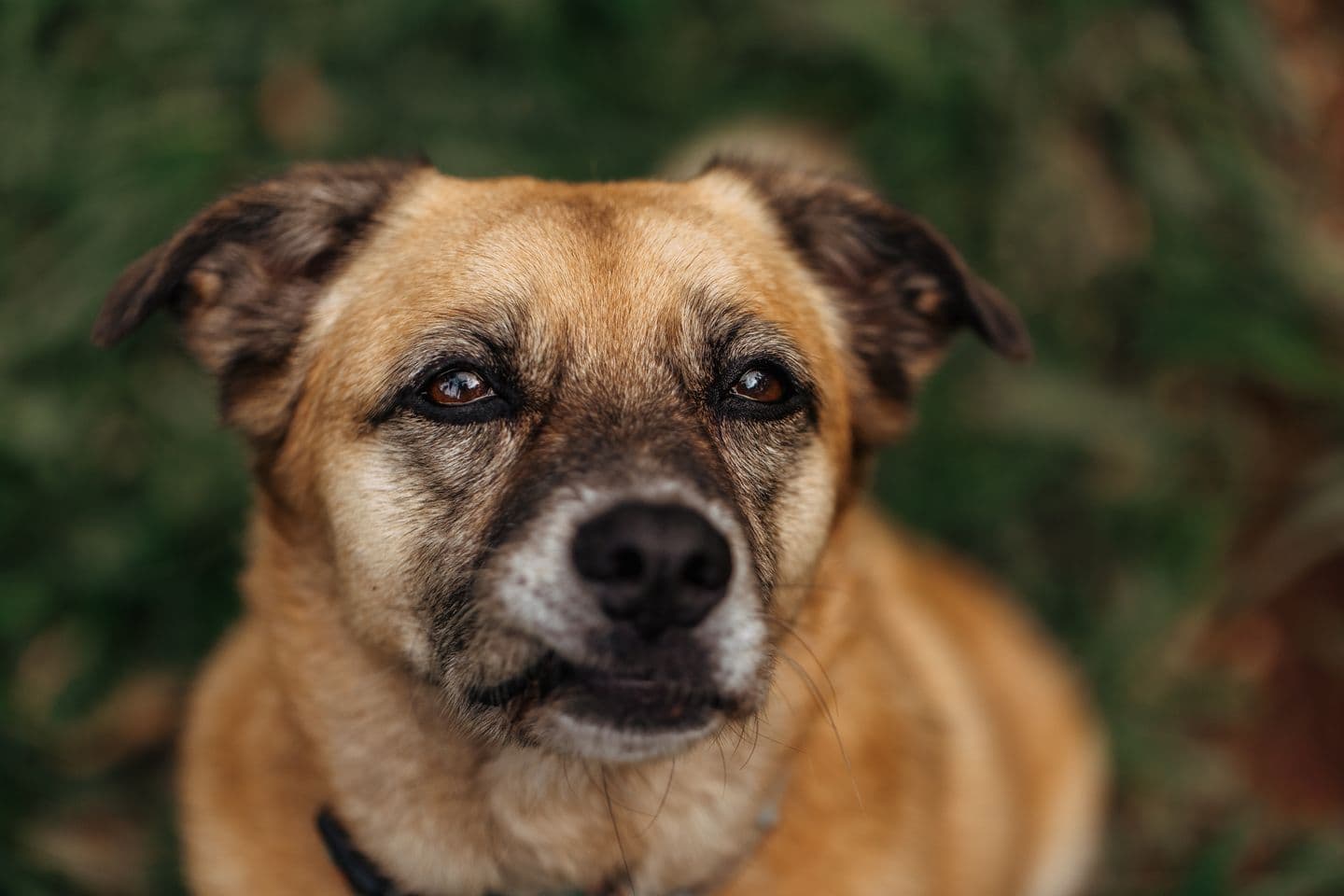
A cool, damp nose pressed against your hand is one of the small, familiar joys of living with a dog. It turns out this feature is not just charming, it is genuinely functional, built for a life led la
A cool, damp nose pressed against your hand is one of the small, familiar joys of living with a dog. It turns out this feature is not just charming, it is genuinely functional, built for a life led largely by scent.
The Science Behind It
Glands inside a dog's nose produce a thin layer of mucus that keeps the surface moist. Dogs also lick their noses frequently, adding a coat of saliva. Together, this dampness helps scent particles stick to the nose more effectively, in much the same way a damp cloth picks up dust better than a dry one. Since dogs rely on smell far more than sight to understand their surroundings, a wet nose gives them a genuine functional edge, backed by more than 100 million scent receptors compared to roughly six million in humans.
A Built In Cooling System
Because dogs cannot sweat across their skin the way people do, they rely on alternative ways to release heat, mainly panting and, to a smaller extent, evaporative cooling from a wet nose. As moisture evaporates from the nose's surface, it helps cool the blood vessels close to the skin there, offering a small but useful supplement to panting, especially relevant during hot Indian summers.
When a Wet Nose Turns Dry
A dry nose is not automatically a red flag. Sleeping dogs stop licking their noses and often wake up with a dry one, and it usually dampens again within minutes of waking and moving around. Heat, wind, dehydration, and simply lying near a fan or sunny window can also cause temporary dryness. A dedicated article elsewhere in this series covers dry noses in more depth.
The Myth Worth Retiring
A warm, dry nose does not reliably indicate illness or fever, and a cool, wet nose does not guarantee good health. This old wives' tale persists, but vets consistently point out that nose temperature and moisture fluctuate for entirely normal reasons throughout the day. If you are genuinely concerned about your dog's health, look at the fuller picture instead, appetite, energy, behaviour, and any other symptoms, rather than relying on the nose alone.
When It Is Worth a Vet Visit
Persistent, thick, discoloured, or foul smelling discharge, or a nose that is consistently dry, cracked, or bleeding, are the genuine signals worth a check up, rather than simple day to day variation in moisture or temperature.
A Second Purpose: The Vomeronasal Organ
Beyond ordinary scent detection, dogs have a specialised structure called the vomeronasal or Jacobson's organ, located just behind the front teeth, which processes pheromones and chemical signals from other animals. A moist nose and the associated licking behaviour help transport these chemical particles towards this organ, adding another layer to why dogs invest so much in keeping their nose functional and damp throughout the day.
This is part of why dogs sometimes appear to make an odd chattering or licking motion with their mouth after sniffing something particularly interesting, a behaviour called the flehmen response, borrowed from the same system many other mammals use to interpret scent information more fully.
Nose prints are also genuinely unique to each dog, in much the same way fingerprints are unique to people, made up of a distinctive pattern of ridges and bumps across the surface. A handful of countries have even explored nose print identification as an alternative to microchipping, though it remains far less common in practice.
Common Questions
Do all healthy dogs have wet noses all the time?
No, healthy dogs naturally cycle between wetter and drier states throughout the day depending on activity, sleep, and environment. A consistently wet nose in one dog and a slightly drier one in another can both be entirely normal for those individual dogs.
Can I use nose wetness to check for a fever at home?
It is not reliable. If you are concerned about fever, a proper thermometer reading, ideally guided by your vet, is the accurate way to check, rather than judging by nose temperature or moisture.
This article is for general awareness and does not replace veterinary advice. If your dog is unwell, consult a veterinarian promptly.
Beyond the familiar Great Dane and Saint Bernard, a number of large, calm breeds carry the same gentle-giant temperament without quite the same name recognition. Most remain genuinely rare in India, b
A once-bouncy dog that suddenly seems flat, uninterested in walks, and withdrawn from the family is unsettling to watch, and the question that naturally follows is whether dogs can actually feel somet
A healthy dog isn't just a contented one; they're more playful, more energetic and more emotionally settled. As their owner, you're the biggest factor in how well your dog thrives, day in and day out.