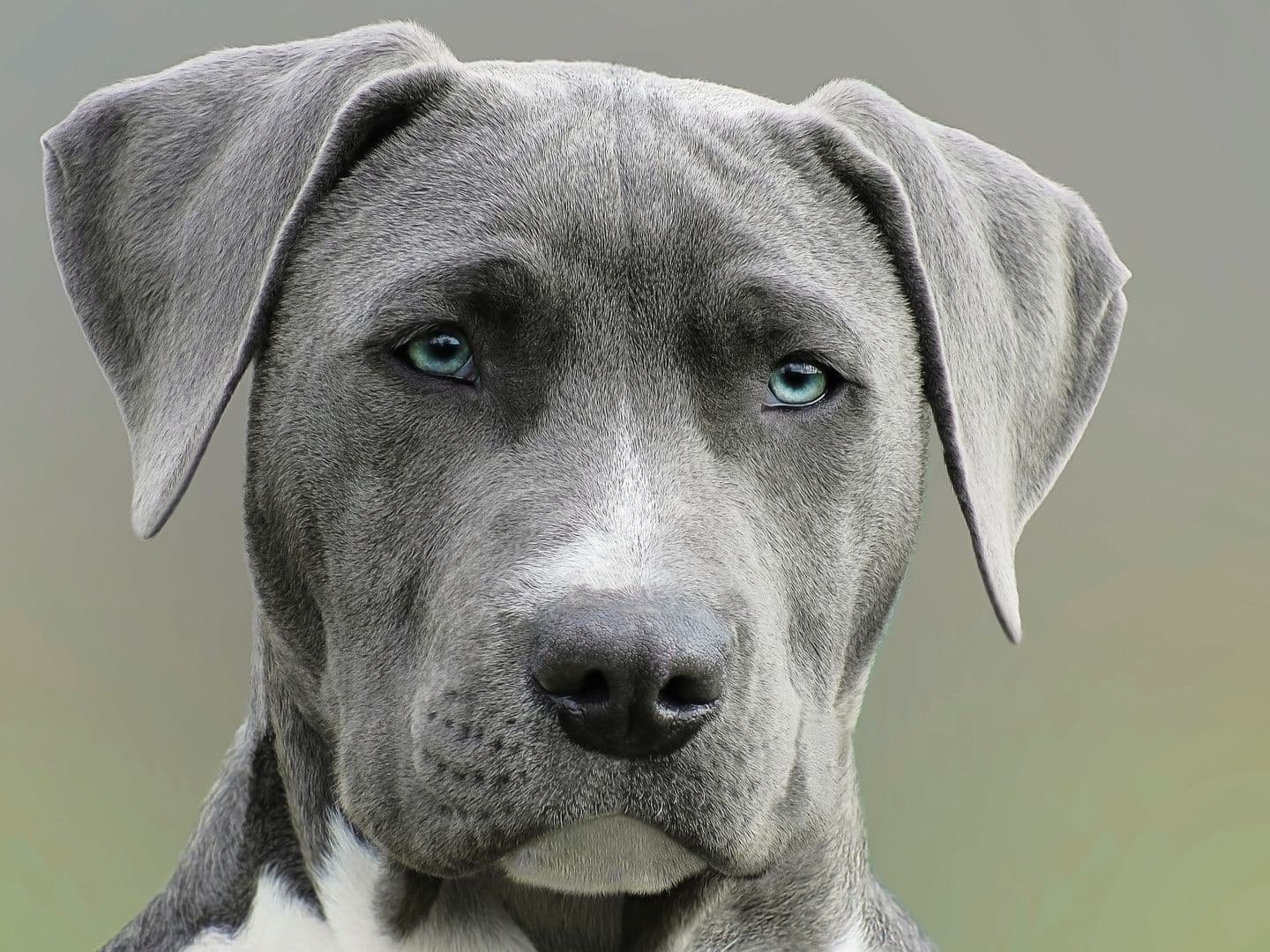
The classic quizzical head tilt is one of the most universally adored dog behaviours, and while researchers do not have a single definitive answer, there are several well supported explanations.
The classic quizzical head tilt is one of the most universally adored dog behaviours, and while researchers do not have a single definitive answer, there are several well supported explanations.
Improving Their Hearing
Tilting the head may help a dog pinpoint the exact location and pitch of a sound more accurately, adjusting the position of the ears relative to the source, similar to how a person might turn their head to hear something more clearly.
Getting a Better View
A dog's muzzle can partially block their line of sight to a person's face, particularly longer nosed breeds. Tilting the head may shift the muzzle out of the way, allowing a clearer view of facial expressions and mouth movements.
Recognising Familiar Words
Some researchers believe dogs tilt their heads more often when they hear a familiar word, such as their name or a known command, possibly as part of focusing more intently to process and recall the meaning.
A Learned, Rewarded Behaviour
Because the head tilt is so consistently met with delighted laughter, praise, and attention from owners, some dogs learn to repeat it simply because it reliably gets a positive response, regardless of the original reason behind the very first tilt.
When a Head Tilt Might Be a Concern
An occasional, brief head tilt in response to sound is entirely normal and endearing. A new, persistent head tilt held constantly to one side, especially paired with loss of balance, circling, or unusual eye movement, can indicate an ear infection or a more serious vestibular issue and needs a vet visit rather than being assumed to be the cute, familiar behaviour.
Encouraging the Behaviour Playfully
If your dog enjoys the head tilt and you would like to see it more often, try using a higher, more curious tone of voice, or introducing a new, unfamiliar word or sound. Keep it lighthearted and reward with praise rather than turning it into a formal training exercise, since the charm of a spontaneous tilt tends to fade if it becomes a demanded trick.
A Shared Moment, Not a Performance
While it is tempting to repeatedly trigger a head tilt for a photo or video, keep it an occasional, spontaneous part of your interactions rather than a demanded performance, so the behaviour keeps its natural charm rather than becoming another rehearsed trick.
Beyond the familiar Great Dane and Saint Bernard, a number of large, calm breeds carry the same gentle-giant temperament without quite the same name recognition. Most remain genuinely rare in India, b
A once-bouncy dog that suddenly seems flat, uninterested in walks, and withdrawn from the family is unsettling to watch, and the question that naturally follows is whether dogs can actually feel somet
A healthy dog isn't just a contented one; they're more playful, more energetic and more emotionally settled. As their owner, you're the biggest factor in how well your dog thrives, day in and day out.