A dog suddenly tearing around the living room or garden at top speed, tail tucked, ears back, tongue flying, is one of the more entertaining sights in dog ownership, and it has an official name: a fre
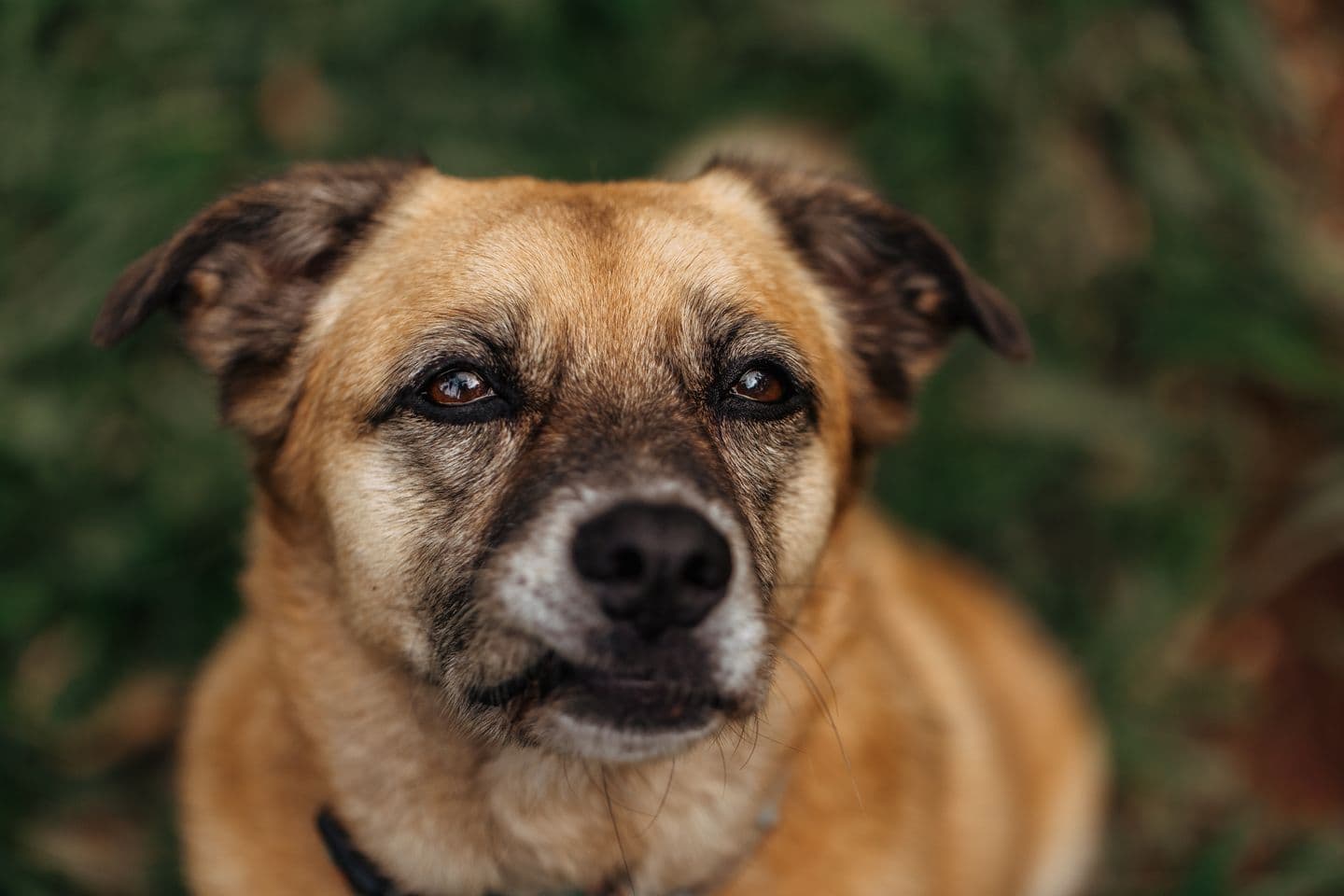
A dog suddenly tearing around the living room or garden at top speed, tail tucked, ears back, tongue flying, is one of the more entertaining sights in dog ownership, and it has an official name: a frenetic random activity period, or FRAP, more commonly known as the zoomies.
What's actually happening
There's no single medical explanation for zoomies, but most vets and behaviourists agree they're a healthy way for a dog to release pent-up energy, excitement, or even mild stress, all at once. Zoomies commonly show up after a bath, after being confined in a crate or car for a while, first thing in the morning, in the evening, sometimes called the witching hour in puppies, or in a sudden burst of joy when a favourite person arrives home. Puppies and younger dogs tend to experience them more often, though dogs of any age can have the occasional zoomie episode throughout their lives.
Is it ever something to worry about?
For the vast majority of dogs, zoomies are a completely normal, healthy expression of a happy, healthy dog and need no intervention beyond making sure the immediate environment is safe. It's worth paying more attention if zoomies happen unusually often, disrupt sleep regularly, or seem to replace the dog's usual calm baseline entirely, since very frequent episodes can be a sign that a dog isn't getting enough regular physical exercise or mental stimulation during the day, and the zoomies are essentially a release valve for energy that has nowhere else to go.
Keeping a zooming dog safe
During a FRAP, dogs are often only partially responsive to commands and can move unpredictably at speed, so it's worth clearing an indoor path of anything fragile or hazardous when a zoomie starts, and being cautious near stairs, slippery tiled floors, or roads if it happens outdoors on a leash-free moment. Chasing a zoomie-ing dog or trying to physically stop them usually reads as an invitation to keep playing rather than a cue to calm down, so the better approach is simply to let the burst run its course in a safe space, then offer water and a calm moment once the dog naturally winds down.
Zoomies on smooth, tiled Indian floors
Marble and polished tile flooring, common in many Indian homes, offers considerably less grip than carpet or wood, and a dog in full zoomie mode can genuinely slip and injure a joint on this kind of surface, particularly around sharp turns. A washable rug or runner along a zoomie-prone hallway or living room, and steering the burst of energy towards a garden, terrace, or a room with better traction where possible, reduces the injury risk without needing to suppress the behaviour itself.
Beyond the familiar Great Dane and Saint Bernard, a number of large, calm breeds carry the same gentle-giant temperament without quite the same name recognition. Most remain genuinely rare in India, b
A once-bouncy dog that suddenly seems flat, uninterested in walks, and withdrawn from the family is unsettling to watch, and the question that naturally follows is whether dogs can actually feel somet
A healthy dog isn't just a contented one; they're more playful, more energetic and more emotionally settled. As their owner, you're the biggest factor in how well your dog thrives, day in and day out.