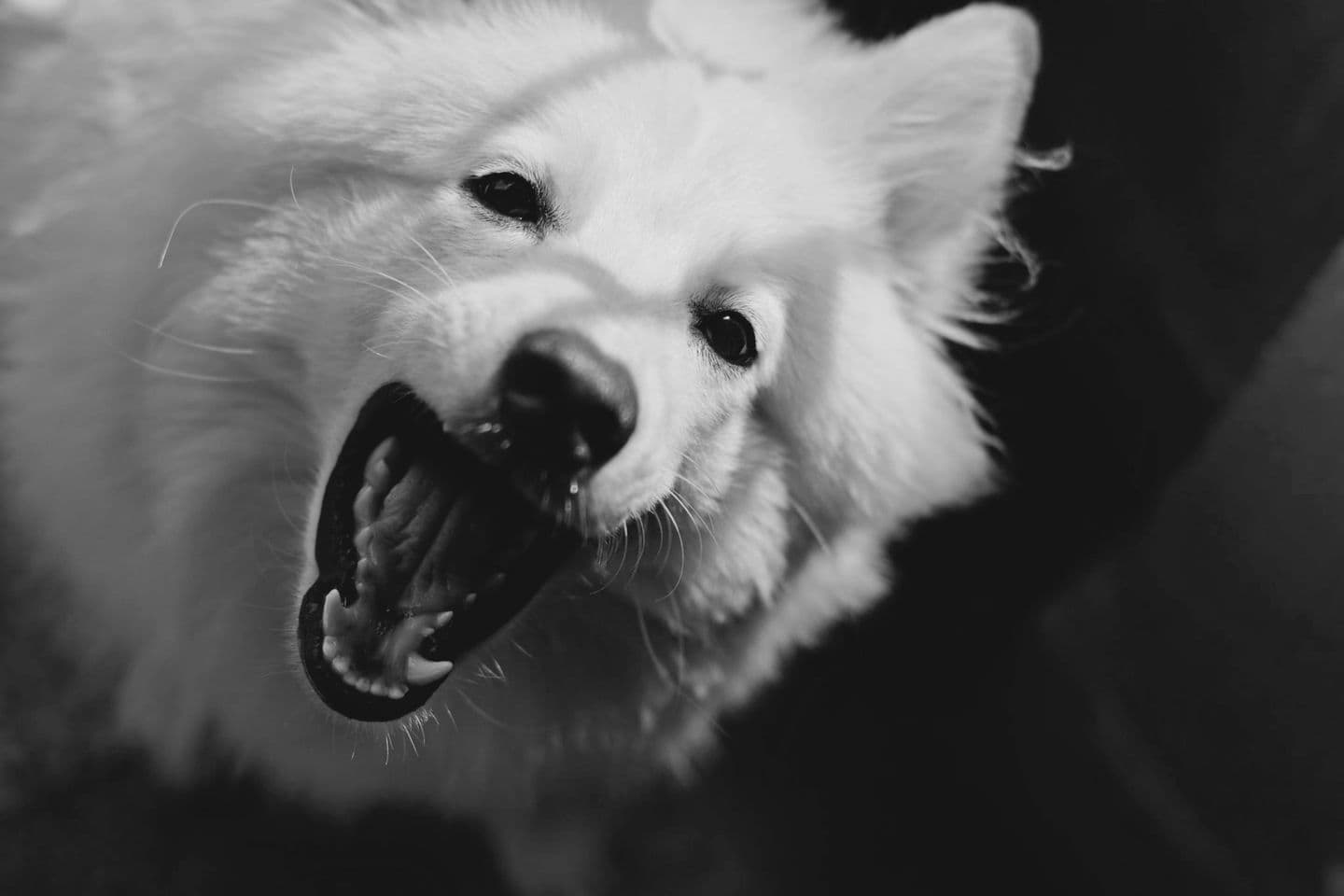
A gently snoring dog curled up nearby is one of those small, endearing sounds of living with a pet. Occasionally, though, snoring is worth a closer look rather than simply an amusing habit.
A gently snoring dog curled up nearby is one of those small, endearing sounds of living with a pet. Occasionally, though, snoring is worth a closer look rather than simply an amusing habit.
The most common, harmless cause: anatomy
Flat-faced, or brachycephalic, breeds, Pugs, Bulldogs, Shih Tzus and Boston Terriers among them, snore far more than other dogs because of their compressed airways, narrow nostrils and elongated soft palate. For these breeds, some snoring is simply part of their anatomy, though very loud, laboured snoring, especially if it continues while awake, deserves veterinary attention, since it can signal a more serious airway restriction.
Sleep position
Dogs sleeping on their backs, with gravity pulling throat tissue downward, often snore more than those curled on their side. This is harmless and easily solved by adjusting bedding to encourage a different sleep position, if the snoring bothers you.
Weight
Excess weight adds fatty tissue around the neck and throat, narrowing the airway and increasing snoring, alongside a long list of other health risks. Weight management, guided by your vet, often reduces or resolves snoring in overweight dogs entirely.
Allergies and irritants
Seasonal allergies, dust, smoke and other airway irritants cause inflammation and congestion, both of which can lead to snoring, often alongside sneezing, watery eyes or a runny nose. This is worth discussing with your vet if it is a new or seasonal pattern rather than a lifelong trait.
When snoring signals something more serious
A sudden change in snoring pattern or intensity in a dog who did not previously snore
Gasping, choking sounds, or apparent pauses in breathing during sleep
Snoring accompanied by nasal discharge, coughing or lethargy
Laboured breathing while awake, not only while asleep
Occasional light snoring is normal for many dogs, brachycephalic breeds especially. A sudden change, laboured breathing, or snoring paired with other symptoms is the pattern that actually warrants a vet visit rather than the noise itself.
Simple home adjustments that sometimes help
Beyond addressing the underlying cause, a few small changes can reduce mild snoring on their own. Elevating your dog's head slightly with a supportive pillow or wedge can reduce snoring caused purely by sleep position. Keeping bedding clean and free of dust, and running an air purifier in dry, dusty seasons, can ease snoring linked to mild environmental irritation. These are complements to, not substitutes for, addressing weight, allergies or anatomical causes where those are genuinely at play.
Yoast SEO Metadata
Tags: dog snoring causes, brachycephalic breeds, dog breathing problems
Beyond the familiar Great Dane and Saint Bernard, a number of large, calm breeds carry the same gentle-giant temperament without quite the same name recognition. Most remain genuinely rare in India, b
A once-bouncy dog that suddenly seems flat, uninterested in walks, and withdrawn from the family is unsettling to watch, and the question that naturally follows is whether dogs can actually feel somet
A healthy dog isn't just a contented one; they're more playful, more energetic and more emotionally settled. As their owner, you're the biggest factor in how well your dog thrives, day in and day out.